Contact Us

The Most Common ADR Transport Mistakes Businesses Make

Many ADR transport mistakes result from poor preparation, incorrect documentation, or inadequate staff training. Adhering to ADR regulations and working with experienced transport providers help businesses remain compliant and avoid unnecessary delays.

What are the most common ADR transport mistakes?

The most common ADR transport mistakes businesses make include incorrect classification of dangerous goods, incomplete documentation, poor packaging, missing labels, inadequate vehicle inspections, insufficient driver training, and failure to comply with ADR regulations. Preventing these dangerous goods errors improves safety, reduces costs and ensures full ADR compliance.

Why ADR Compliance Matters

ADR regulations establish strict legal requirements for transporting dangerous goods by road throughout the UK and Europe. These rules ensure hazardous materials are packaged, labelled, documented and transported safely.

Failure to follow ADR requirements can result in shipment delays, enforcement action, financial penalties and serious safety incidents. Even a minor paperwork error may prevent goods from reaching their destination on time.

Maintaining strong ADR compliance also demonstrates professionalism, protects customers and helps businesses build long-term trust with suppliers and regulators.

Incorrect Classification of Dangerous Goods

One of the biggest dangerous goods errors businesses make is incorrectly identifying the hazard classification of their products.

Every dangerous substance belongs to a specific ADR hazard class and must be assigned the correct UN Number, Proper Shipping Name and Packing Group where applicable. Using incorrect classifications creates significant safety risks throughout transport.

For example, flammable liquids, corrosive substances and toxic materials all require different handling procedures. Misclassification can result in inappropriate packaging, incorrect emergency response information and non-compliant transport documentation.

Before arranging any shipment, businesses should always verify product classifications using the latest Safety Data Sheet (SDS) and ADR guidance.

Incomplete or Incorrect Transport Documentation

Documentation errors remain one of the leading causes of shipment delays.

ADR transport requires accurate transport documents containing detailed information about every dangerous goods consignment. Missing information may prevent vehicles from continuing their journey until the issue is resolved.

Common documentation mistakes include incorrect UN Numbers, inaccurate quantities, missing emergency contact details and outdated shipping information.

Maintaining accurate records not only supports ADR compliance but also allows emergency responders to react appropriately if an incident occurs during transport.

Businesses should regularly review documentation procedures to minimise administrative errors before goods leave the site.

Using Incorrect Packaging

Packaging protects dangerous goods throughout transportation and plays a vital role in preventing leaks, contamination and accidents.

Using damaged containers, non-approved packaging or unsuitable materials significantly increases transport risks. Products that are correctly classified can still become unsafe if packaged incorrectly.

ADR-approved packaging is tested to withstand transport conditions, including vibration, pressure changes and impacts. Businesses should always inspect packaging before loading goods and replace damaged containers immediately.

Selecting appropriate packaging also helps reduce unnecessary logistics mistakes that can lead to rejected deliveries or enforcement action.

Missing or Incorrect Labels and Markings

Labels communicate essential hazard information to everyone involved in the transport process.

Incorrect or missing hazard labels are among the most common ADR transport mistakes identified during inspections. Without clear markings, emergency services and transport operators may not understand the risks associated with the load.

Every package should display the correct hazard labels, orientation arrows where required, UN Numbers and any additional markings specified by ADR regulations.

Regular quality checks before dispatch help identify labelling issues before vehicles leave the depot.

Poor Vehicle Checks Before Transport

Vehicle inspections are an essential part of safe dangerous goods transport, yet they are often overlooked. Even when goods are properly packaged and documented, vehicle defects can pose serious risks during transit.

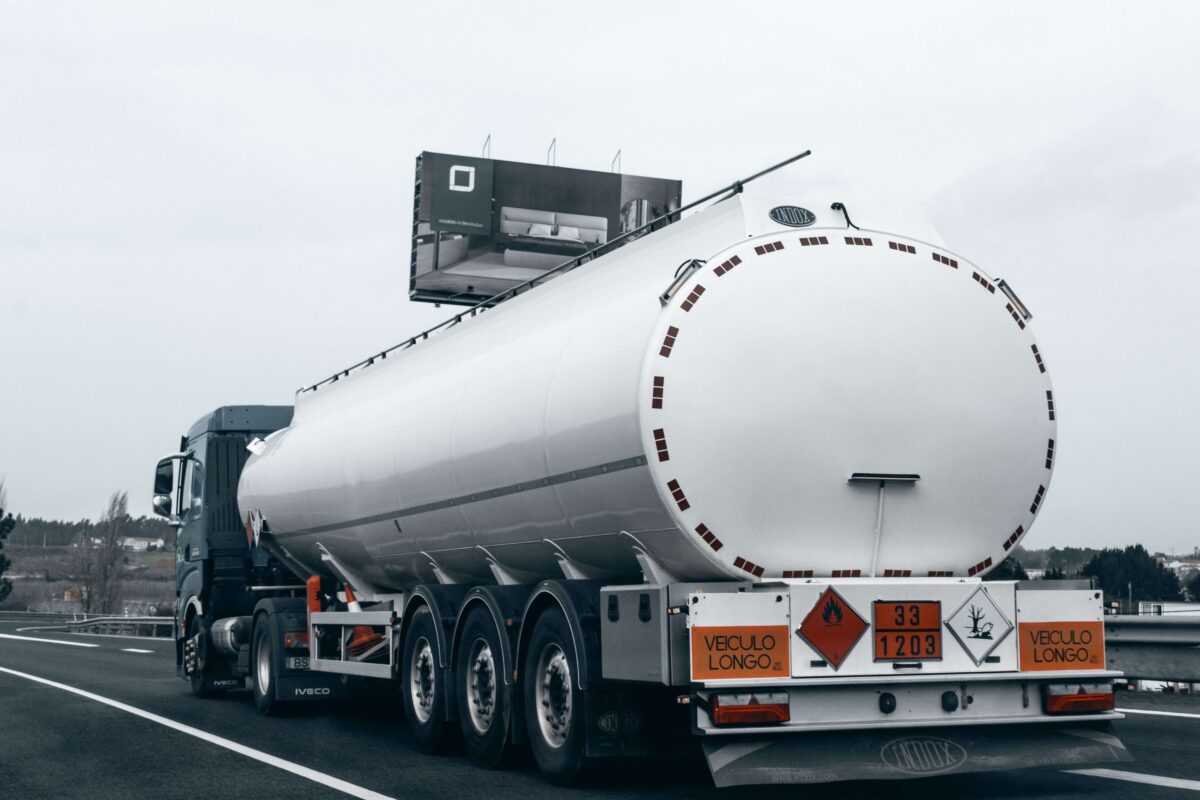
Before every journey, operators should inspect tyres, brakes, lights, steering, warning equipment, fire extinguishers and load restraint systems. Vehicles carrying dangerous goods should also display the correct ADR orange plates and any required hazard placards.

Routine maintenance reduces the likelihood of breakdowns and helps ensure every journey complies with ADR requirements. Keeping inspection records also demonstrates a proactive approach to ADR compliance during audits or roadside checks.

Inadequate Driver Training

One of the most preventable ADR transport mistakes is allowing drivers or warehouse staff to handle dangerous goods without appropriate training.

ADR regulations require everyone involved in the transport of dangerous goods to understand their responsibilities. Drivers transporting loads above ADR threshold limits must hold a valid ADR Driver Training Certificate, while warehouse and administrative staff should receive function-specific awareness training relevant to their roles.

Well-trained employees understand correct loading procedures, emergency response actions, documentation requirements and hazard identification. This knowledge reduces dangerous goods errors, improves workplace safety and minimises costly operational disruptions.

Regular refresher training helps staff remain familiar with changing regulations and reinforces best practice across the business.

Poor Loading and Load Securing

Improper loading is a frequent cause of transport incidents. Dangerous goods that are not secured correctly can shift during braking, acceleration or cornering, increasing the risk of damaged packaging, spills and accidents.

Loads should be distributed evenly throughout the vehicle, with suitable restraint systems used to prevent movement. Incompatible hazardous substances must never be transported together if ADR segregation requirements prohibit it.

Effective loading procedures protect drivers, other road users and the environment while helping businesses avoid unnecessary logistics mistakes that may lead to rejected deliveries or enforcement action.

Ignoring Emergency Procedures

Many organisations focus on dispatching dangerous goods but overlook what happens if something goes wrong during transport.

Every business involved in ADR transport should have documented emergency procedures covering spills, leaks, fires, accidents and exposure to hazardous materials. Drivers should know how to use emergency equipment, report incidents and follow written instructions carried within the vehicle.

Preparing for emergencies limits environmental damage, protects public safety and supports legal compliance throughout the transport process.

Failing to Keep Up with ADR Regulation Changes

ADR regulations are updated regularly to reflect new safety requirements, revised classifications and changes affecting dangerous goods transport.

Businesses that continue using outdated procedures may unknowingly fall out of compliance. This can result in failed inspections, shipment delays and unnecessary financial penalties.

Reviewing operational procedures whenever ADR updates are introduced helps organisations remain compliant and improves overall transport efficiency. Monitoring regulatory changes also allows businesses to identify opportunities for safer working practices.

Choosing the Wrong Transport Provider

Selecting a transport company based solely on price can create significant compliance risks. Not every carrier has the knowledge, equipment or experience required to transport dangerous goods safely.

Working with specialists in dangerous goods transporthelps businesses reduce compliance risks through correct documentation, suitable vehicles, trained personnel and proven operational procedures.

Experienced ADR transport providers understand current legislation, maintain compliant fleets and ensure every shipment meets legal requirements from collection through to delivery.

Investing in specialist expertise often prevents costly mistakes that outweigh any short-term savings offered by non-specialist carriers.

The Business Impact of ADR Transport Mistakes

The consequences of poor ADR compliance extend far beyond regulatory penalties. Businesses may experience delayed deliveries, damaged customer relationships, increased insurance costs, and expensive product losses following transport incidents.

Repeated ADR transport mistakes can also harm a company’s reputation, making customers less confident in its ability to handle hazardous materials safely. In highly regulated industries, non-compliance may even result in contract losses or enforcement action from regulatory authorities.

Developing a culture of compliance helps organisations reduce operational risks while demonstrating a commitment to safety and professionalism.

How to Prevent ADR Transport Mistakes

Preventing ADR transport mistakes starts with building a strong compliance culture across the organisation. Every stage of the transport process should be reviewed regularly, from product classification and packaging to loading, documentation and delivery. Businesses that implement clear procedures are less likely to experience dangerous goods errors that lead to delays or regulatory action.

Regular internal audits help identify weaknesses before they become costly problems. Reviewing transport documentation, inspecting packaging, checking vehicle condition and monitoring staff performance all contribute to better ADR compliance. Businesses should also ensure that Safety Data Sheets (SDS) remain up to date and that every shipment is checked against current ADR requirements before dispatch.

Technology can further reduce logistics mistakes by improving accuracy and traceability. Digital documentation systems, barcode scanning, electronic proof of delivery and fleet management software help minimise manual errors while providing greater visibility throughout the transport process. Combining these tools with experienced personnel creates a safer and more efficient transport operation.

Building a Safer ADR Transport Process

Businesses that consistently comply with ADR regulations rarely rely on a single control measure. Instead, they combine employee training, documented procedures, routine inspections, and continuous improvement to maintain high safety standards.

Management should encourage employees to report potential compliance issues before shipments leave the site. Addressing small concerns early can prevent serious incidents later in the supply chain. Open communication between warehouse teams, transport coordinators and drivers also helps ensure that dangerous goods are handled correctly at every stage of the journey.

Regular reviews of transport performance, near misses and compliance audits provide valuable insights that can strengthen future operations. Learning from previous incidents helps businesses improve procedures while reducing the likelihood of repeated mistakes.

Avoiding ADR transport mistakes requires more than simply following a checklist. Businesses must understand how ADR regulations apply to their operations and ensure every shipment is classified, packaged, labelled, documented and transported correctly.

Many dangerous goods errors can be prevented through better planning, ongoing employee training and regular compliance reviews. Investing in robust procedures not only improves ADR compliance but also reduces logistics mistakes, protects employees and supports reliable customer service.

By adopting best practices and working with experienced ADR transport specialists, organisations can minimise operational risks, remain legally compliant and transport dangerous goods safely across the UK.


How ADR Compliance Protects Your Business from Legal Risks

Transporting hazardous materials requires careful planning, specialist knowledge, and strict attention to safety requirements and legal compliance. For businesses handling chemicals, batteries, gases, or other regulated substances, mistakes during transportation can lead to financial losses, legal problems, and damage to company reputation under dangerous goods law.

ADR compliance provides businesses with a clear framework for managing dangerous goods safely while meeting their responsibilities under UK transport requirements. By following the correct procedures for classification, packaging, documentation, and handling, organisations can reduce risks before they become costly issues.

As regulations continue to evolve, businesses must understand how compliance protects daily operations and supports long-term success. Meeting ADR regulations is not only about avoiding penalties; it is about creating safer supply chains, protecting employees, and demonstrating responsible business practices.

This guide explains how ADR compliance protects your business from legal risks, supports legal compliance, and enables confident operations when transporting goods covered by dangerous goods law.

ADR Compliance: How It Protects Your Business from Legal Risks

ADR compliance ensures businesses transporting dangerous goods follow strict safety rules, reduce legal exposure, and protect employees, customers, and the environment.

Companies that handle chemicals, batteries, gases, and other hazardous materials must understand their responsibilities under ADR regulations. Failure to meet these requirements can result in penalties, operational disruption, reputational damage, and serious safety concerns.

What Is ADR Compliance?

ADR compliance refers to following the international ADR regulations that control the safe transport of dangerous goods by road. These requirements establish how hazardous materials must be classified, packaged, labelled, documented, handled, and transported.

Businesses involved in the movement of dangerous goods must ensure their processes meet the standards set by ADR regulations. These rules apply to manufacturers, suppliers, distributors, waste companies, logistics providers, and any organisation responsible for moving hazardous materials.

The purpose of ADR compliance is to reduce risks during transportation by ensuring dangerous goods are managed correctly from collection through to final delivery. It creates a structured approach that helps businesses prevent accidents, protect workers, and maintain safe supply chains.

For companies transporting hazardous materials, working with experienced providers that understand ADR regulations can help ensure every stage of the transport process meets required safety standards.

Why ADR Compliance Is Essential for Legal Compliance

Maintaining legal compliance is one of the most important responsibilities for any business involved in dangerous goods transport. UK companies must follow strict legislation covering the movement of hazardous materials to protect people, property, and the environment.

Businesses that ignore ADR requirements may face enforcement action from regulatory authorities. This can include fines, prosecution, restrictions on operations, or the suspension of transport activities.

ADR compliance helps businesses demonstrate that they have taken appropriate measures to manage hazardous materials safely. It shows regulators, customers, and supply chain partners that the company follows recognised safety procedures.

A strong compliance process also reduces the likelihood of accidents caused by incorrect packaging, poor documentation, improper handling, or unsuitable transport methods. These preventative measures protect businesses from legal complications while supporting safer operations.

Understanding Dangerous Goods Law and Business Responsibilities

Dangerous goods law exists to control how hazardous substances are stored, handled, and transported. These laws apply because certain materials can create significant risks if they are incorrectly managed.

Dangerous goods can include substances such as:

  • Chemicals

  • Flammable materials

  • Compressed gases

  • Lithium batteries

  • Industrial waste

  • Infectious substances

Businesses must identify whether their goods fall under dangerous goods classifications before arranging transport. This involves understanding hazard classes, UN numbers, packaging requirements, and documentation obligations.

Incorrect classification is one of the most common causes of non-compliance. If a product is incorrectly identified, it may be packaged or transported using unsuitable methods, increasing the chance of accidents and regulatory breaches.

Companies must also ensure employees involved in dangerous goods handling receive appropriate training. Staff awareness is a critical part of ADR compliance because even small mistakes during preparation or loading can create serious safety risks.

How ADR Regulations Reduce Legal Risks

ADR regulations provide businesses with a clear framework for transporting hazardous materials safely. These regulations establish consistent requirements that help prevent accidents and improve accountability throughout the supply chain.

Following ADR regulations reduces legal risks by ensuring businesses maintain accurate documentation, use approved packaging, and follow correct transport procedures.

For example, dangerous goods shipments usually require specific information such as:

  • Correct UN classification

  • Hazard labels

  • Transport documents

  • Emergency response information

  • Approved packaging details

When these requirements are completed correctly, businesses can prove that they have followed their legal obligations.

Non-compliance can create serious consequences. A business may experience delivery delays, rejected shipments, financial penalties, or investigations if dangerous goods are transported incorrectly.

By integrating ADR compliance into daily operations, businesses can avoid unnecessary risks and maintain confidence among customers, employees, and regulatory authorities.

The Legal Risks of Failing to Follow ADR Compliance Requirements

Failing to maintain ADR compliance can expose businesses to significant legal and financial risks. Organisations that transport dangerous goods have a responsibility to ensure every stage of the process meets required safety standards.

When businesses fail to follow ADR regulations, they may unintentionally breach transport legislation. These breaches can happen because of incorrect classification, missing documentation, unsuitable packaging, inadequate staff training, or using transport providers without the necessary expertise.

Regulatory authorities can take enforcement action when dangerous goods are not managed correctly. Depending on the severity of the breach, businesses may face financial penalties, legal investigations, damaged relationships with customers, and disruption to normal operations.

The consequences can extend beyond immediate penalties. A single compliance failure can harm a company’s reputation, particularly when customers depend on reliable and safe supply chains. Demonstrating strong ADR compliance helps businesses maintain trust and show that safety is a priority.

How ADR Compliance Protects Your Business from Financial Penalties

One of the biggest advantages of maintaining ADR compliance is reducing the risk of costly penalties. Businesses that transport hazardous materials must meet strict requirements to avoid regulatory issues.

Incorrect handling of dangerous goods can lead to unexpected costs, including rejected deliveries, emergency response expenses, additional transport arrangements, and potential legal fees.

A structured ADR compliance process helps identify potential problems before transportation begins. By checking documentation, confirming classifications, and ensuring appropriate packaging, businesses can prevent avoidable mistakes.

Companies that prioritise compliance also benefit from better operational control. Employees understand their responsibilities, procedures become more consistent, and dangerous goods movements can be completed with fewer delays.

Investing in proper compliance measures is often significantly more cost-effective than dealing with the consequences of non-compliance after an incident occurs.

The Importance of Correct Dangerous Goods Documentation

Accurate documentation is a key part of ADR compliance because it provides essential information about hazardous materials being transported.

Transport documents allow drivers, emergency responders, and authorities to understand what materials are being carried and what safety measures are required.

Incorrect or incomplete paperwork can create serious compliance problems. Even when dangerous goods are packaged correctly, missing information can result in transport delays or regulatory action.

Businesses must ensure documentation includes accurate details about the shipment, including the correct classification, quantity, packaging information, and emergency instructions where required.

Maintaining accurate records also helps businesses demonstrate their commitment to legal compliance. In the event of an inspection or investigation, clear documentation provides evidence that proper procedures were followed.

How Professional Dangerous Goods Transport Supports ADR Compliance

Working with an experienced transport provider can help businesses manage the complex requirements involved in dangerous goods movement.

Professional operators understand how ADR regulations apply to different types of hazardous materials and can provide guidance on safe collection, transportation, and delivery processes.

Businesses handling hazardous materials can benefit from using specialist services that understand packaging requirements, documentation standards, and legal responsibilities. Choosing a knowledgeable provider reduces the risk of mistakes and improves overall transport reliability.

Companies looking for support with compliant hazardous material movements can use specialist dangerous goods transport services to ensure their shipments are handled according to industry requirements.

A reliable transport partner can also help businesses stay updated when ADR regulations change. This is important because compliance requirements can develop over time, and companies must adapt their procedures accordingly.

Industries That Depend on ADR Compliance

Many industries rely on ADR compliance because they regularly handle materials that require specialist transport arrangements.

Manufacturing companies often transport chemicals, solvents, and industrial substances that must be managed under strict safety rules. Without effective compliance procedures, these businesses may experience supply chain disruption or regulatory issues.

The automotive and electric vehicle sectors also depend on ADR regulations due to the increasing use of lithium batteries and other hazardous components. These materials require careful classification, packaging, and transportation methods.

Laboratories, healthcare organisations, and research facilities may also transport controlled substances, chemicals, or samples that require specific handling procedures.

Waste management companies have additional responsibilities because hazardous waste must be collected, transported, and processed safely. Correct ADR compliance helps ensure waste movements meet environmental and transport requirements.

Across all these industries, following dangerous goods law protects businesses by reducing risks and creating safer working practices.

Building a Strong ADR Compliance Strategy

A successful ADR compliance strategy requires businesses to take a proactive approach rather than reacting after problems occur.

The first step is understanding which dangerous goods requirements apply to the organisation. This includes identifying hazardous materials, reviewing transport responsibilities, and ensuring employees understand their roles.

Regular staff training is another important element. Employees involved in packaging, documentation, loading, or transport preparation should understand the correct procedures and potential risks.

Businesses should also review their internal processes regularly. Checking documentation procedures, supplier requirements, and transport arrangements helps identify weaknesses before they become compliance issues.

Keeping accurate records and monitoring regulatory updates allows businesses to maintain continuous compliance. A well-managed approach protects the organisation while improving safety across the entire supply chain.

The Legal Consequences of Poor ADR Compliance

Businesses that fail to maintain ADR compliance may face serious legal and operational consequences. The transportation of hazardous materials is highly regulated because incorrect handling can create risks for employees, the public, property, and the environment.

Under dangerous goods law, companies have a responsibility to ensure hazardous materials are correctly identified, packaged, labelled, documented, and transported. Ignoring these responsibilities can result in enforcement action, financial penalties, and disruption to business activities.

Common compliance failures include incorrect hazard classification, incomplete transport documentation, unsuitable packaging, and insufficient employee training. Even a small mistake can lead to delays, rejected shipments, or investigations by regulatory authorities.

Following ADR regulations helps businesses create a safer transport process and reduces the possibility of legal problems. A structured compliance approach demonstrates that the organisation has taken reasonable steps to manage dangerous goods responsibly.

How ADR Compliance Helps Avoid Costly Business Disruption

Maintaining strong ADR compliance does more than prevent penalties. It also helps businesses avoid operational interruptions that can affect customers, suppliers, and revenue.

When dangerous goods are transported incorrectly, shipments may be delayed or refused. This can impact production schedules, customer deliveries, and supply chain performance.

For example, a manufacturing company relying on chemical deliveries may experience significant downtime if a shipment is stopped because of incorrect documentation or packaging issues. These delays can create additional costs and damage customer relationships.

A clear compliance system allows businesses to identify potential risks before transportation begins. Checking classification details, preparing correct paperwork, and using suitable transport arrangements ensures goods move efficiently and safely.

By integrating compliance procedures into everyday operations, businesses can improve reliability while reducing unnecessary risks.

The Role of Employee Training in ADR Compliance

Employees play an essential role in achieving effective ADR compliance. Anyone involved in preparing, handling, loading, or transporting dangerous goods must understand the correct safety procedures.

Without appropriate training, employees may make mistakes that create legal and safety risks. Incorrect labelling, poor handling practices, or missing documentation can affect the entire transport process.

Regular training ensures staff understand their responsibilities under ADR regulations. It also helps employees recognise hazardous materials, follow emergency procedures, and complete required documentation correctly.

Businesses should view training as an ongoing responsibility rather than a one-time activity. Regulations can change, and employees may need updated knowledge to maintain compliance.

A well-trained workforce supports stronger legal compliance and helps create a safety-focused workplace culture.

Why Correct Packaging and Labelling Matter Under ADR Regulations

Packaging and labelling are critical parts of dangerous goods transportation. ADR regulations require hazardous materials to be prepared using approved methods that reduce risks during handling and movement.

Incorrect packaging can result in leaks, spills, contamination, or exposure to dangerous substances. These incidents can create safety hazards and may lead to legal consequences for the responsible organisation.

Clear hazard labels provide essential information to drivers, warehouse teams, and emergency responders. They identify the type of risk involved and help ensure the correct safety measures are followed.

Businesses that prioritise accurate packaging and labelling demonstrate their commitment to ADR compliance. This reduces the chance of transport failures and supports safer supply chain operations.

How ADR Compliance Supports Environmental Responsibility

Environmental protection is another important reason businesses must follow ADR requirements. Many dangerous goods have the potential to cause environmental damage if they are released during transportation.

Effective ADR compliance helps prevent incidents by ensuring hazardous materials are handled using appropriate procedures. This includes selecting suitable packaging, following transport rules, and preparing emergency information.

Companies that transport chemicals, hazardous waste, or batteries must consider the environmental impact of their activities. Compliance helps organisations meet their responsibilities while reducing the risk of pollution or unsafe disposal.

Strong environmental practices also improve business reputation. Customers and partners increasingly expect companies to demonstrate responsible handling of hazardous materials.

Choosing the Right Dangerous Goods Transport Partner

Selecting an experienced transport provider is an important step in maintaining ADR compliance. Dangerous goods require specialist knowledge, and not every standard courier service has the qualifications or equipment needed to manage hazardous materials safely.

A reliable transport partner understands ADR regulations and can help businesses manage complex requirements, including classification, documentation, packaging checks, and safe delivery procedures.

Working with a specialist provider reduces compliance risks and provides confidence that dangerous goods are being handled correctly throughout the journey.

Businesses requiring professional support for hazardous material movements can use trusted dangerous goods transport services to ensure their shipments follow the required safety standards.

A suitable transport partner can also help businesses adapt when regulations change, ensuring continued compliance and reducing the risk of unexpected legal issues.

The Long-Term Business Benefits of ADR Compliance

ADR compliance provides long-term advantages that go beyond meeting legal obligations. Businesses that maintain strong compliance procedures can improve safety, strengthen customer confidence, and operate more efficiently.

A consistent approach to hazardous goods management helps reduce accidents, prevent delays, and improve workplace safety. It also shows customers and regulators that the organisation takes responsibility seriously.

Companies with effective compliance systems are better prepared for inspections and regulatory changes. They can respond quickly because their procedures, documentation, and training processes are already established.

By making ADR compliance part of everyday business operations, organisations can protect their reputation, support safer transport practices, and build a more reliable supply chain.

What Is a UN Number and Why Does It Matter?

A UN number is an internationally recognised identification code assigned to hazardous substances and articles. It enables emergency services, transport companies, and regulators to identify dangerous goods quickly, reducing risk while supporting safe and compliant ADR transport. The system standardises how hazardous materials are identified and handled worldwide.

What Is a UN Number?

A UN number is a four-digit identifier used to identify dangerous goods during transport. Also known as a UN code, it forms part of the international system for dangerous goods classification and helps ensure hazardous materials are packaged, labelled, documented, and transported safely. Whether goods travel by road, sea, rail, or air, the correct UN number is essential for legal compliance and safe ADR transport.

What Is a UN Number Used For?

The United Nations assign every hazardous material approved for transport a unique UN number. The number remains the same worldwide, allowing dangerous goods to be identified consistently across different countries and transport methods.

For example, petrol is always identified as UN1203, while lithium-ion batteries are identified as UN3480. This standardised system prevents confusion and supports accurate dangerous goods classification throughout the supply chain.

Why UN Numbers Matter in ADR Transport

A UN number plays an important role in ADR transport because it identifies the exact hazard presented by a substance. Emergency responders rely on this information to select appropriate firefighting methods, protective equipment, and spill-response procedures in the event of an incident.

The correct UN code also appears on transport documentation, package labels, vehicle placards, and shipping papers. Without accurate identification, dangerous goods may be transported incorrectly, creating unnecessary safety risks and increasing the likelihood of regulatory action.

How UN Codes Support Dangerous Goods Classification

The dangerous goods classification system groups hazardous materials according to the risks they present during transport. Each product is assessed before receiving its UN number and classification.

This assessment considers flammability, toxicity, corrosiveness, explosiveness, oxidising properties, environmental hazards, and chemical stability. Once classified, the product must follow the relevant ADR transport requirements for packaging, labelling, storage, and documentation.

Because every UN code is linked to a specific classification, businesses can transport hazardous goods safely while complying with UK and international regulations.

Common Examples of UN Numbers

Some of the most frequently encountered UN numbers include UN1203 for petrol, UN1090 for acetone, UN1830 for sulphuric acid, UN1950 for aerosols, and UN3480 for lithium-ion batteries. These identifiers are recognised worldwide and are used consistently across all approved transport methods.

Where You Will Find a UN Number

A UN number appears wherever dangerous goods are prepared for transport. It can be found on outer packaging, hazard labels, transport documentation, Safety Data Sheets, waste transfer paperwork, and vehicle placards. This consistent identification ensures everyone involved in the transport process understands the hazards associated with the shipment.

What Happens If the Wrong UN Number Is Used?

Using an incorrect UN code can lead to shipment delays, failed inspections, rejected consignments, enforcement action, and increased safety risks. Incorrect dangerous goods classification may also result in unsuitable packaging or emergency procedures, putting people and the environment at greater risk.

Checking the correct UN number before every shipment helps businesses remain compliant while reducing operational and legal risks.

Staying Compliant with ADR Transport Regulations

Businesses transporting hazardous materials should always verify the correct UN number before dispatch. Packaging, labelling, and documentation must match the assigned dangerous goods classification to meet ADR transport requirements.

Working with experienced ADR transport specialists helps ensure every shipment complies with current legislation while improving safety and reducing the likelihood of costly mistakes.

Using a professional dangerous goods transport service helps ensure shipments comply with ADR regulations while reducing safety, operational, and legal risks.

For businesses requiring compliant hazardous goods transport, ADR Transport UK provides professional ADR courier and dangerous goods transport services across the UK.

Understanding the purpose of a UN number helps businesses transport hazardous materials safely and legally. By using the correct UN code and following the appropriate dangerous goods classification, organisations can meet ADR transport regulations, improve safety, and reduce the risk of delays, fines, or incidents.

Do Your Goods Require ADR Transport? How to Check

How to check if your goods require ADR Transport is an important question for any business that handles or moves potentially hazardous materials. A correct ADR transport check helps companies understand whether their products fall under dangerous goods regulations and whether additional safety measures are required before shipping.

Many industries transport materials that may be regulated under ADR rules, including chemicals, lithium batteries, gases, industrial products, and hazardous waste. Without the correct assessment, businesses may face transport delays, incorrect handling procedures, or compliance issues.

A dangerous goods assessment provides a clear understanding of product classifications, documentation requirements, packaging standards, and transport responsibilities. By completing this process before collection or delivery, businesses can improve safety and maintain full transport compliance.

What Is ADR Transport?

ADR transport refers to the regulations that control the safe movement of dangerous goods by road. The agreement establishes international standards for identifying, packaging, labelling, documenting, and transporting hazardous materials.

The purpose of ADR rules is to protect everyone involved in the transportation process, including drivers, warehouse teams, customers, emergency responders, and the environment.

Businesses that manufacture, distribute, store, or dispose of hazardous materials need to understand how ADR requirements apply to their operations. These regulations are particularly important for industries that regularly handle substances with chemical, explosive, flammable, corrosive, or environmentally harmful properties.

Common sectors affected by ADR requirements include:

  • Manufacturing and engineering

  • Chemical production

  • Automotive and electric vehicle industries

  • Healthcare and laboratories

  • Industrial cleaning

  • Waste management

  • Logistics and distribution

Understanding ADR requirements at the beginning of the supply chain helps prevent problems later during transportation.

Do Your Goods Require ADR Transport? How to Check

The first step in determining whether ADR transport is required is identifying exactly what materials are being shipped. Businesses should not rely only on product names because many items may have different transport requirements depending on their composition, quantity, and packaging.

A proper ADR transport check should review key information, including:

  • Product descriptions

  • Safety Data Sheets (SDS)

  • UN numbers

  • Hazard classifications

  • Quantity being transported

  • Packaging requirements

  • Labelling requirements

  • Documentation requirements

Safety Data Sheets are particularly important because they provide technical information about chemical properties, risks, handling procedures, and classification details.

For example, a liquid product used in an industrial environment may require ADR transport if it is classified as flammable or corrosive. However, the same type of product may have different requirements depending on the concentration, quantity, or packaging method.

A detailed assessment ensures businesses make decisions based on accurate information rather than assumptions.

Understanding a Dangerous Goods Assessment

A dangerous goods assessment is the process of reviewing materials to determine whether they are regulated under ADR rules. It identifies potential risks and confirms the safety measures needed before transportation.

The assessment normally considers:

Material Classification

Every dangerous good belongs to a specific hazard class based on its characteristics. These classifications determine how the material must be handled and transported.

Examples include:

  • Explosive substances

  • Flammable liquids

  • Flammable gases

  • Oxidising materials

  • Toxic substances

  • Corrosive materials

  • Environmentally hazardous substances

Correct classification is essential because incorrect identification can lead to unsuitable transport arrangements.

UN Numbers and Identification

Dangerous goods are assigned UN numbers that identify specific substances or groups of materials. These numbers help transport operators understand the risks associated with the goods being moved.

The UN number is used alongside hazard classifications to determine the correct packaging, documentation, and transport procedures.

Quantity and Packaging Requirements

The amount of material being transported can affect whether ADR rules apply. Some limited quantities may have different requirements, while larger shipments usually require full compliance procedures.

Packaging must also meet approved safety standards to reduce the risk of leaks, damage, or exposure during transportation.

Common Goods That Require ADR Transport

Many businesses transport materials that may require ADR transport because they present safety risks during movement. Understanding which products fall under dangerous goods regulations helps companies complete an accurate ADR transport check before arranging deliveries or collections.

Some common examples of goods that may require ADR transport include:

Chemicals and Industrial Materials

Chemical products are one of the most common categories requiring ADR consideration. Manufacturing businesses often transport substances such as solvents, acids, cleaning chemicals, and industrial compounds that may have hazardous properties.

These materials may require specific packaging, documentation, and handling procedures to ensure they are moved safely.

Flammable Liquids and Solids

Products such as paints, fuels, adhesives, and solvents may be classified as flammable materials under ADR rules.

Businesses transporting these goods must confirm their classification and follow the correct safety procedures. Even smaller quantities can require assessment depending on the material type and packaging method.

Gases and Pressurised Containers

Compressed gases, gas cylinders, and aerosol products can require ADR transport because they may present risks related to pressure, fire, or exposure.

Correct storage, handling, and securing methods are essential to prevent incidents during transportation.

Lithium Batteries

Lithium batteries have become increasingly important within ADR regulations due to their potential fire risks when damaged, defective, or incorrectly packaged.

Companies transporting batteries from electronic equipment, electric vehicles, or industrial systems should complete a proper dangerous goods assessment before shipping.

Battery condition, quantity, packaging, and transport method all influence the requirements that apply.

Hazardous Waste

Certain waste materials may also fall under ADR requirements. Examples include contaminated materials, chemical waste, laboratory waste, and industrial residues.

Businesses must ensure waste is correctly classified before transportation because incorrect classification can create safety risks and compliance problems.

ADR Rules and Transport Compliance Requirements

Following ADR rules is essential for businesses that transport dangerous goods. These regulations provide a structured approach to managing risks and ensuring materials are moved safely.

Transport compliance involves several important areas, including:

Correct Classification

The first stage of compliance is correctly identifying the goods being transported. A wrong classification can affect every part of the process, including packaging, documentation, and vehicle requirements.

Businesses should always use accurate product information and professional guidance when classification is unclear.

Approved Packaging

Dangerous goods must be packed using suitable packaging designed to reduce risks during transportation.

Packaging requirements depend on factors such as:

  • Material type

  • Hazard classification

  • Quantity

  • Transport conditions

Using unsuitable packaging can increase the chance of leaks, damage, or exposure.

Labelling and Marking

Dangerous goods require appropriate labels and markings to communicate risks clearly.

These markings allow transport workers and emergency responders to quickly identify hazards and take appropriate action if an incident occurs.

Driver Training and Responsibilities

Drivers transporting dangerous goods may require specific training depending on the type and quantity of materials being carried.

Training helps drivers understand loading procedures, documentation requirements, emergency actions, and safe handling practices.

Dangerous Goods Documentation Requirements

Documentation plays an important role in maintaining ADR compliance. Accurate paperwork provides essential information about the materials being transported and ensures everyone involved understands the associated risks.

Important documents may include:

Safety Data Sheets (SDS)

Safety Data Sheets provide detailed information about chemical products, including hazards, handling instructions, and emergency procedures.

Businesses should review SDS information before arranging transportation to confirm whether ADR requirements apply.

Transport Documents

Transport documents provide details about the dangerous goods being moved, including classification information, quantities, and relevant safety details.

Incorrect or incomplete documentation can cause delays and create compliance concerns.

Emergency Information

Emergency information helps drivers and emergency responders understand how to manage incidents involving dangerous goods.

Clear information allows appropriate action to be taken quickly if problems occur during transportation.

How Businesses Can Prepare for ADR Transport

Preparing goods correctly before transportation helps reduce risks and improves overall compliance.

Businesses should begin by reviewing product details and confirming whether materials require ADR handling. A complete ADR transport check should be completed before arranging collection.

Good preparation includes:

  • Confirming product classifications

  • Checking Safety Data Sheets

  • Using approved packaging

  • Preparing required documents

  • Ensuring correct labelling

  • Communicating requirements with transport providers

Businesses looking for professional support can review ADR transport services to understand how regulated goods can be managed safely and efficiently.

For shipments involving hazardous materials, understanding dangerous goods transport requirements can help businesses prepare correctly and maintain compliance throughout the transportation process.

Why Transport Compliance Matters

Maintaining transport compliance is essential for protecting people, property, and the environment. Dangerous goods that are incorrectly classified, packaged, or transported can create serious safety risks.

Non-compliance may result in:

  • Transportation delays

  • Additional costs

  • Regulatory action

  • Safety incidents

  • Environmental impact

A strong compliance process allows businesses to operate more efficiently while demonstrating responsible handling of hazardous materials.

Companies that regularly transport dangerous goods should review their procedures regularly to ensure they continue meeting current ADR requirements.

When ADR Transport May Not Be Required

Not every shipment requires ADR transport. Some products may not fall under dangerous goods regulations because they are not classified as hazardous, or they may qualify for specific exemptions based on quantity, packaging, or transport conditions.

However, businesses should never assume that ADR requirements do not apply without completing an appropriate review.

A professional dangerous goods assessment helps confirm whether materials require ADR handling or whether an exemption applies. This provides evidence that transport decisions have been made correctly and helps prevent compliance issues.

Some factors that may affect ADR requirements include:

  • The type of material being transported

  • The hazard classification

  • The quantity being moved

  • The packaging used

  • The method of transportation

Even products that appear low risk may require assessment if they contain regulated substances.

How to Maintain ADR Compliance Long-Term

Maintaining compliance is not only about meeting requirements for one shipment. Businesses that regularly transport dangerous goods should create consistent processes to manage future transportation needs.

Effective compliance management includes:

Regular Product Reviews

Product classifications can change when formulas, packaging, or suppliers change. Businesses should regularly review product information to confirm that transport requirements remain accurate.

Employee Awareness

Staff involved in packaging, storage, and transportation should understand their responsibilities when handling dangerous goods.

Basic awareness helps prevent mistakes during preparation and reduces the risk of incorrect documentation or packaging.

Updated Documentation

Businesses should keep safety documents and transport records accurate and accessible. Updated information allows transport providers to make informed decisions before collection.

Working With Suitable Transport Providers

Choosing a transport provider with experience in dangerous goods helps businesses manage complex regulations and maintain safe transportation practices.

Benefits of Completing an ADR Transport Check Before Shipping

Completing an ADR transport check before transportation provides several benefits for businesses.

It helps identify whether goods require:

  • Special handling procedures

  • Approved packaging

  • Specific documentation

  • Trained transport personnel

  • Additional safety measures

Early assessment also reduces the chance of unexpected delays. When requirements are confirmed before collection, businesses can prepare shipments correctly and avoid problems during transportation.

A proactive approach to ADR compliance supports safer operations and improves confidence throughout the supply chain.

ADR Transport Regulations Explained: Everything You Need to Know

If your business transports hazardous materials, understanding ADR Transport Regulations is essential for legal compliance and public safety, and for ADR compliance under UK dangerous goods law. ADR regulations establish the standards for transporting dangerous goods by road throughout the UK and Europe. They cover everything from packaging and vehicle requirements to driver qualifications and documentation.

Following ADR regulations reduces the risk of accidents, environmental damage, financial penalties, and delivery delays. Whether you transport chemicals, lithium batteries, paints, fuels, gases, or hazardous waste, complying with ADR requirements protects your employees, customers, and the wider public. Effective ADR compliance also aligns daily operations with dangerous goods law.

This guide explains ADR transport regulations in straightforward language, helping UK businesses understand their responsibilities and remain compliant with dangerous goods law.

What Are ADR Transport Regulations?

ADR stands for the European Agreement concerning the International Carriage of Dangerous Goods by Road. Despite the UK’s departure from the European Union, ADR regulations continue to apply across the UK through domestic legislation.

The regulations establish consistent safety standards for transporting dangerous goods by road. They ensure everyone involved in the transport chain follows recognised procedures to minimise risks.

ADR regulations cover:

  • Classification of dangerous goods

  • Packaging requirements

  • Vehicle specifications

  • Driver training

  • Labelling and marking

  • Transport documentation

  • Loading and unloading procedures

  • Emergency response information

These rules help ensure hazardous materials reach their destination safely.

Why ADR Regulations Matter

Every year, thousands of dangerous goods shipments travel across UK roads. Without clear regulations, these materials could present serious risks to people, property, and the environment.

ADR regulations help businesses:

  • Prevent road accidents

  • Protect drivers and warehouse staff

  • Reduce environmental pollution

  • Comply with UK legislation

  • Avoid prosecution and fines

  • Improve customer confidence

  • Standardise transport across Europe

Compliance is both a legal obligation and an important part of responsible business operations.

Which Goods Are Covered?

ADR applies to many hazardous substances commonly transported by UK businesses.

Examples include:

  • Chemicals

  • Flammable liquids

  • Paints and solvents

  • Compressed gases

  • Corrosive substances

  • Toxic materials

  • Medical chemicals

  • Industrial cleaning products

  • Lithium batteries

  • Hazardous waste

Each substance receives a UN Number and hazard classification to determine how it must be transported safely.

ADR Hazard Classes

Dangerous goods are divided into nine hazard classes.

  1. Explosives

Materials capable of exploding or creating a blast hazard.

  1. Gases

Compressed, liquefied or dissolved gases including propane and oxygen.

  1. Flammable Liquids

Petrol, diesel, solvents, paints and many industrial chemicals.

  1. Flammable Solids

Materials that ignite easily or react dangerously with water.

  1. Oxidising Substances

Chemicals that intensify fires by releasing oxygen.

  1. Toxic and Infectious Substances

Materials harmful to humans through inhalation, ingestion or contact.

  1. Radioactive Materials

Substances emitting ionising radiation.

  1. Corrosive Substances

Chemicals capable of causing burns or damaging metals.

  1. Miscellaneous Dangerous Goods

Including lithium batteries, environmentally hazardous substances and dry ice.

Correct classification determines every other ADR transport requirement.

ADR Driver Training Requirements

Drivers transporting dangerous goods above exemption limits must hold a valid ADR Driver Training Certificate.

Training normally covers:

  • ADR legislation

  • Vehicle safety

  • Emergency procedures

  • Fire prevention

  • Load security

  • Hazard awareness

  • Documentation requirements

  • Practical exercises

The certificate must be renewed periodically to maintain compliance.

Businesses should also provide refresher training whenever regulations change.

Vehicle Requirements Under ADR

Vehicles carrying dangerous goods must meet specific safety standards.

Requirements may include:

  • Fire extinguishers

  • Emergency equipment

  • Wheel chocks

  • Warning signs

  • Orange plates

  • Spill response equipment

  • Protective clothing

  • Vehicle inspections

The exact equipment depends on the type and quantity of dangerous goods being transported.

Regular maintenance is equally important to ensure continued compliance.

ADR Documentation Requirements

Proper paperwork is a key part of ADR compliance.

Common documents include:

  • Dangerous Goods Note (DGN)

  • Transport document

  • Waste transfer documentation

  • Consignment notes

  • Emergency instructions in writing

  • Vehicle inspection records

  • Driver ADR certificate

Accurate documentation enables emergency responders to identify transported materials quickly if an incident occurs.

Incomplete paperwork can delay deliveries and lead to enforcement action.

Packaging and Labelling Rules

Dangerous goods must be packaged using approved containers tested for the materials being transported.

Packaging must:

  • Prevent leaks

  • Resist impact

  • Protect contents during transport

  • Display correct hazard labels

  • Show UN numbers

  • Include handling instructions where required

Incorrect packaging remains one of the most common causes of ADR compliance failures.

Responsibilities of Businesses

ADR compliance extends beyond the transport company.

Responsibilities apply to:

  • Manufacturers

  • Importers

  • Exporters

  • Consignors

  • Consignees

  • Freight forwarders

  • Warehouse operators

  • Waste producers

  • Transport companies

Every organisation involved shares responsibility for ensuring dangerous goods are transported safely.

Common ADR Compliance Mistakes

Many businesses unintentionally breach ADR regulations through simple administrative errors.

Common mistakes include:

  • Incorrect classification

  • Missing documentation

  • Expired driver certificates

  • Damaged packaging

  • Missing hazard labels

  • Improper vehicle equipment

  • Poor load restraint

  • Inadequate employee training

Regular audits help identify problems before they become legal issues.

Penalties for non-compliance

Failure to comply with ADR regulations can result in:

  • Improvement notices

  • Prohibition notices

  • Vehicle immobilisation

  • Financial penalties

  • Criminal prosecution

  • Increased insurance costs

  • Damaged business reputation

The costs of non-compliance often far exceed the investment required for proper ADR training and procedures.

Best Practices for ADR Compliance

Businesses should establish clear procedures to maintain compliance.

Recommended practices include:

  • Review dangerous goods classifications regularly.

  • Train all relevant employees.

  • Maintain accurate transport records.

  • Inspect vehicles before every journey.

  • Verify packaging integrity.

  • Conduct internal compliance audits.

  • Update procedures following regulatory changes.

  • Work only with qualified ADR transport providers.

These steps significantly reduce operational risk and support ongoing ADR compliance under dangerous goods law.

Understanding ADR Transport Regulations Explained helps businesses transport dangerous goods legally, safely, and efficiently. ADR regulations cover every stage of the transport process, from classification and packaging to driver training and documentation.

Keeping up to date with ADR requirements reduces risks, prevents costly enforcement action, and demonstrates a commitment to safety and compliance in line with dangerous goods law. By implementing robust procedures and working with experienced ADR transport specialists, UK businesses can move dangerous goods confidently while meeting all legal obligations under current dangerous goods law.

What Is ADR Transport? A Complete Guide for UK Businesses

ADR transport is the regulated movement of dangerous goods by road. It ensures hazardous materials are classified, packaged, documented and delivered safely according to UK transport requirements.

What Is ADR Transport?

ADR transport is the legal framework that controls how dangerous goods are moved by road. It covers the handling, packaging, labelling, documentation and transportation of hazardous materials to reduce risks for drivers, businesses, communities and the environment.

UK companies that transport chemicals, lithium batteries, fuel, medical substances or hazardous waste must understand their responsibilities under ADR regulations. Following the correct procedures helps prevent accidents, avoid legal issues and maintain safe supply chain operations.

For businesses managing regulated materials, choosing compliant ADR logistics solutions is essential. Professional transport providers help ensure every stage of the journey follows safety standards, from collection through to final delivery.

How Does ADR Transport Work?

ADR transport follows a structured process designed to control risks associated with dangerous goods.

Before transportation begins, goods must be correctly identified using their UN number, hazard class and packaging requirements. The shipment must then be prepared with suitable labels, documentation and safety measures.

During transit, ADR requirements apply to:

  • Vehicle suitability

  • Driver qualifications

  • Load security

  • Emergency equipment

  • Transport documentation

  • Safe handling procedures

These requirements ensure dangerous goods are moved safely while meeting UK legal obligations.

Why Is ADR Logistics Important for UK Businesses?

ADR logistics plays a vital role for companies that depend on the safe movement of hazardous products. Unlike standard deliveries, dangerous goods require specialist knowledge, trained personnel and strict compliance procedures.

Effective ADR logistics helps businesses:

  • Reduce transport risks

  • Protect employees and customers

  • Prevent environmental incidents

  • Maintain regulatory compliance

  • Improve delivery reliability

  • Avoid unnecessary delays

Industries including manufacturing, healthcare, engineering, chemical production and waste management rely on professional ADR solutions to keep operations running safely.

Which Goods Require ADR Transport?

Many commercial products are classified as dangerous goods and may require ADR-compliant transport.

Common examples include:

  • Flammable liquids such as solvents and fuels

  • Corrosive chemicals

  • Industrial cleaning products

  • Gas cylinders

  • Lithium batteries

  • Paints and coatings

  • Pharmaceutical materials

  • Hazardous waste

  • Laboratory substances

The classification of the product determines the transport requirements, including packaging standards, vehicle rules and documentation.

ADR Hazard Classes Explained

ADR regulations divide dangerous goods into nine hazard classes:

Class 1: Explosives

Materials that can cause explosions or significant reactions.

Class 2: Gases

Compressed, liquefied or dissolved gases requiring specialist handling.

Class 3: Flammable Liquids

Products such as fuels, solvents and certain chemical mixtures.

Class 4: Flammable Solids

Materials that can ignite easily during transportation.

Class 5: Oxidising Substances

Substances that increase the risk or intensity of combustion.

Class 6: Toxic and Infectious Materials

Products that may cause harm through exposure or contamination.

Class 7: Radioactive Materials

Goods containing radioactive substances requiring specialist controls.

Class 8: Corrosive Materials

Chemicals that can damage skin, equipment or surrounding materials.

Class 9: Miscellaneous Dangerous Goods

Products such as lithium batteries and environmentally hazardous substances.

ADR Driver Responsibilities

ADR drivers require specialist training before transporting regulated goods.

Their responsibilities include checking documentation, inspecting vehicles, securing loads and responding correctly during emergencies.

ADR training helps drivers understand:

  • Hazard identification

  • Safe loading procedures

  • Emergency response

  • Protective equipment requirements

  • Vehicle safety checks

  • Legal responsibilities

Qualified drivers are an important part of maintaining safe and compliant dangerous goods transport operations.

Dangerous Goods Transport Requirements

Dangerous goods transport requires careful planning before every journey.

Businesses must ensure shipments include:

  • Correct packaging

  • Accurate labels

  • Complete transport documents

  • Appropriate vehicle equipment

  • Trained personnel

  • Emergency procedures

Incorrect preparation can result in delivery delays, enforcement action, or increased safety risks.

Professional transport providers help businesses manage these requirements while maintaining reliable delivery schedules.

When Do Businesses Need an ADR Courier UK Service?

Companies often require an ADR courier UK service when transporting urgent or specialist dangerous goods that cannot be handled through standard delivery networks.

ADR courier services are commonly used for:

  • Time-sensitive chemical deliveries

  • Laboratory samples

  • Replacement industrial parts

  • Lithium battery shipments

  • Hazardous materials requiring controlled transport

A specialist courier ensures shipments are collected, transported, and delivered using compliant procedures.

Choosing the Right ADR Transport Provider

Selecting a suitable transport partner is essential for businesses handling dangerous goods.

A reliable provider should offer:

  • Experienced ADR-trained drivers

  • Suitable vehicles and equipment

  • Knowledge of multiple hazard classes

  • Accurate documentation support

  • Flexible collection options

  • Safe handling procedures

  • Strong compliance standards

The right partner helps businesses transport hazardous materials efficiently while reducing operational risks.

Common ADR Compliance Mistakes

Businesses can face problems when ADR requirements are overlooked.

Common mistakes include:

  • Incorrect classification of goods

  • Missing labels

  • Poor packaging choices

  • Incomplete paperwork

  • Using untrained drivers

  • Incorrect vehicle preparation

Regular compliance checks help identify potential issues before they affect operations.

Understanding ADR transport is essential for UK businesses that handle dangerous goods and hazardous materials. From correct classification and packaging to trained drivers, accurate documentation and compliant vehicles, every stage of the process helps reduce risks and maintain legal compliance.

By working with reliable ADR logistics solutions, businesses can ensure dangerous goods transport is carried out safely, efficiently and responsibly. Whether moving chemicals, lithium batteries, hazardous waste or other regulated materials, following ADR requirements protects employees, customers, communities and the environment while supporting smooth business operations.

How Businesses Can Prepare Dangerous Goods for Collection

Preparing dangerous goods for transport requires more than simply packing items and arranging collection. Businesses must follow strict ADR regulations to ensure hazardous materials are handled, packaged, labelled, documented, and transported safely. Understanding how businesses can prepare dangerous goods for collection helps reduce safety risks, prevent costly delays, and maintain legal compliance. Whether transporting chemicals, lithium batteries, flammable liquids, aerosols, or hazardous waste, effective ADR collection, compliant hazardous goods packaging, and thorough transport preparation are essential for protecting people, property, and the environment while ensuring every shipment reaches its destination safely.

How Businesses Can Prepare Dangerous Goods for Collection

Businesses that ship hazardous materials have a legal duty to prepare every consignment safely before collection. Knowing how businesses can prepare dangerous goods for collection helps reduce risks, prevent transport delays, and ensure compliance with UK ADR regulations. Proper ADR collection, secure hazardous goods packaging, and accurate transport preparation protect employees, drivers, customers, and the environment while keeping the supply chain running efficiently.

What Is the Best Way to Prepare Dangerous Goods for Collection?

The safest way to prepare dangerous goods for collection is to:

  • classify the goods correctly

  • use approved hazardous goods packaging

  • apply ADR labels

  • complete transport documentation

  • store shipments safely

  • and arrange collection with a compliant ADR transport provider

Following these steps reduces the risk of rejected loads, damaged goods, and regulatory penalties.

Identify and Classify Dangerous Goods

Every dangerous substance must be correctly identified before collection. The Safety Data Sheet (SDS) provides the information needed to determine:

  • the correct UN number

  • Proper Shipping Name

  • hazard class

  • packing group

  • and any special handling requirements

Accurate classification ensures the shipment complies with ADR legislation and helps determine the correct:

  • packaging

  • labels

  • documentation

  • vehicle requirements

  • and emergency procedures

Choose UN-Approved Hazardous Goods Packaging

Packaging protects dangerous goods throughout transport. Businesses should always select UN-certified containers designed for the specific product being transported. Packaging must withstand:

  • handling

  • stacking

  • vibration

  • and changes in temperature

without leaking or becoming damaged.

Containers should be inspected before every collection to confirm they remain:

  • sealed

  • undamaged

  • and suitable for transport

Reusing damaged packaging increases the risk of contamination and may result in the shipment being refused.

Apply ADR Labels and Mandatory Markings

Every package should display the correct hazard labels before collection. Labels allow drivers, warehouse staff, and emergency responders to identify hazards immediately.

Typical markings include:

  • the UN number

  • Proper Shipping Name

  • hazard diamond

  • orientation arrows where required

  • and environmentally hazardous substance markings when applicable

Labels should remain visible and securely attached throughout transport.

Prepare Accurate Transport Documentation

Incorrect paperwork is one of the most common reasons dangerous goods collections are delayed. Every shipment should include complete transport documentation before the vehicle arrives.

Documentation normally includes:

  • the UN number

  • Proper Shipping Name

  • hazard class

  • packing group

  • quantity

  • consignor details

  • consignee details

  • and emergency information

Reviewing paperwork before dispatch helps avoid unnecessary delays and ensures regulatory compliance.

Store Dangerous Goods Safely Before ADR Collection

Prepared shipments should remain in a secure storage area until collection. Hazardous materials should be protected from physical damage, excessive heat, moisture, and unauthorised access. Incompatible substances must always be stored separately to prevent dangerous chemical reactions.

Businesses arranging hazardous waste transport should also ensure waste containers are sealed correctly and stored in accordance with environmental regulations before collection.

Prepare the Collection Area

An organised loading area allows ADR drivers to complete collections efficiently and safely. Collection points should provide:

  • sufficient vehicle access

  • adequate lighting

  • clear walkways

  • and enough space to load goods securely

Documentation should be available immediately, and staff responsible for the shipment should be present to answer any questions before loading begins.

Train Employees on Dangerous Goods Handling

Employees involved in packing or dispatching dangerous goods should receive regular ADR awareness training. Staff should understand:

  • hazard identification

  • packaging requirements

  • labelling procedures

  • emergency response actions

  • and safe manual handling techniques

Regular refresher training helps businesses remain compliant while reducing the likelihood of human error.

Carry Out a Final Compliance Check

Before releasing any shipment, businesses should complete a final inspection. Verify that every package is:

  • correctly sealed

  • labelled

  • documented

  • and ready for transport

Confirm that:

  • the quantity matches the paperwork

  • and that no containers show signs of damage

This final quality check helps prevent rejected collections and supports a smooth transport process.

Benefits of Proper Transport Preparation

Effective transport preparation provides advantages beyond legal compliance. Businesses experience:

  • fewer delays

  • improved operational efficiency

  • reduced product loss

  • lower environmental risk

  • and greater confidence that dangerous goods will reach their destination safely

Consistent preparation also strengthens customer trust by demonstrating a commitment to safe and responsible transport practices.

Understanding how businesses can prepare dangerous goods for collection is essential for every organisation handling hazardous materials. Correct classification, compliant hazardous goods packaging, accurate documentation, secure storage, careful transport preparation, and professional ADR collection all contribute to safer operations and full regulatory compliance. Following these best practices helps businesses reduce risk, improve efficiency, and ensure every shipment is transported safely across the UK.

Same-Day ADR Courier Services: When Speed Matters

Fast, Compliant Transport for Urgent Dangerous Goods Deliveries

When businesses need to move hazardous materials quickly, a standard courier is not enough. Same-day ADR courier services provide urgent transportation for dangerous goods while ensuring every delivery follows strict safety and compliance requirements.

For situations where speed is critical, many companies request express adr solutions, relying on an urgent adr courier for emergency dangerous goods delivery that maintains full compliance.

From emergency chemical deliveries to time-critical lithium battery transport, businesses rely on specialist ADR couriers who understand dangerous goods classifications, documentation requirements, and safe handling procedures.

ADR regulations require drivers transporting dangerous goods by road to have appropriate training and certification, alongside compliant vehicles and correct documentation.

Same-Day ADR Courier Services: When Speed Matters

When urgent hazardous goods need to be delivered quickly, same-day ADR courier services provide businesses with a safe, reliable, and fully compliant transport solution. Unlike standard courier services, ADR couriers are trained to handle dangerous goods in line with strict regulations, ensuring materials such as chemicals, lithium batteries, and hazardous substances are collected, transported, and delivered safely. Whether responding to emergency supply requirements, production delays, or time-sensitive shipments, a specialist ADR courier helps businesses maintain operations while meeting all legal and safety requirements. In short, these are same day adr courier services when speed matters.

What Are Same-Day ADR Courier Services?

Same-day ADR courier services are specialist delivery solutions designed to transport dangerous goods within the same day while maintaining full ADR compliance.

Unlike standard courier networks, ADR couriers are trained to handle regulated materials including chemicals, batteries, flammable substances, corrosive materials, and other hazardous goods.

Same-day ADR transport is commonly used when businesses need:

  • Emergency replacement chemicals

  • Urgent industrial supplies

  • Time-sensitive laboratory materials

  • Critical lithium battery movements

  • Immediate hazardous waste collections

  • Production materials delivered without delays

A specialist ADR courier ensures speed does not compromise safety, legal compliance, or environmental responsibility.

Why Businesses Need Same-Day ADR Courier Services

Many industries depend on fast deliveries to prevent operational disruption. A delayed dangerous goods shipment can affect production schedules, customer commitments, and essential business processes.

Same-day ADR courier solutions help businesses:

Prevent Costly Operational Delays

Manufacturing plants, engineering companies, and laboratories often depend on specific chemicals, components, or materials. A fast ADR delivery helps reduce downtime and keeps essential operations running.

Transport Dangerous Goods Legally

Dangerous goods cannot always be transported through normal courier networks. ADR-certified drivers, suitable vehicles, and correct paperwork are required to ensure compliant transportation.

Handle Emergency Deliveries Safely

Urgent situations require more than speed. ADR couriers understand how to collect, secure, transport, and deliver hazardous goods while following safety procedures.

How Same-Day ADR Courier Services Work

A professional same-day ADR courier follows a structured process to ensure every urgent delivery remains compliant.

  1. Dangerous Goods Assessment

Before collection, the goods are reviewed to confirm:

  • UN classification

  • ADR hazard class

  • Packaging requirements

  • Documentation needed

  • Vehicle suitability

This ensures the correct transport method is selected.

  1. ADR-Compliant Collection

The courier arrives with the required training, equipment, and vehicle standards needed for dangerous goods transportation.

  1. Secure Same-Day Transportation

The shipment is transported using appropriate handling procedures to minimise risks during loading, transit, and delivery.

  1. Confirmed Delivery

Once delivered, businesses receive confirmation that their urgent ADR shipment has reached its destination safely.

What Dangerous Goods Can Be Transported Using Same-Day ADR Courier Services?

Same-day ADR couriers can support the movement of many regulated materials, including:

Chemicals and Industrial Materials

Chemical manufacturers and suppliers often require urgent transport for substances used in production, maintenance, and processing.

Lithium Batteries

Lithium-ion batteries require specialist handling due to their classification as dangerous goods. ADR courier services support compliant transportation for batteries used in electronics, energy storage, and electric vehicles.

Flammable Liquids

Paints, solvents, fuels, adhesives, and other flammable materials require controlled transport methods.

Corrosive Substances

Industrial acids, cleaning chemicals, and specialist solutions must be transported using appropriate ADR procedures.

Hazardous Waste

Businesses requiring urgent hazardous waste removal need compliant transport solutions to ensure waste is collected and moved safely.

Industries That Benefit from Same-Day ADR Transport

Manufacturing and Engineering

Manufacturers often require urgent deliveries of chemicals, components, and specialist materials to avoid production delays.

Automotive and Electric Vehicle Businesses

The automotive sector relies on fast movement of batteries, chemicals, and specialist components.

Laboratories and Research Facilities

Research organisations may require secure same-day transport for regulated materials and time-sensitive samples.

Chemical Suppliers

Chemical distributors use ADR couriers to provide reliable deliveries while meeting regulatory requirements.

Waste Management Companies

Hazardous waste operators require compliant transport solutions when urgent collections are needed.

Same-Day ADR Courier vs Standard Courier Services

Same-Day ADR Courier

Standard Courier

ADR-trained drivers

General delivery drivers

Suitable for dangerous goods

Usually unsuitable for hazardous materials

ADR-compliant vehicles

Standard vehicles

Handles required documentation

Limited dangerous goods capability

Designed for regulated transport

Designed for general parcels

Using a standard courier for dangerous goods can create compliance risks because hazardous materials require specialist knowledge, equipment, and documentation.

Benefits of Choosing a Same-Day ADR Courier

Faster Response Times

Urgent deliveries can be arranged quickly to support business-critical requirements.

Full ADR Compliance

Professional ADR couriers understand the regulations surrounding dangerous goods transportation.

Reduced Business Disruption

Fast delivery helps prevent delays caused by missing materials or urgent replacements.

Specialist Dangerous Goods Knowledge

Experienced couriers understand hazard classifications, packaging requirements, and safe handling procedures.

Reliable Nationwide Coverage

Businesses can access urgent ADR transport solutions across the UK.

How to Choose the Right Same-Day ADR Courier Service

Before selecting an ADR courier, businesses should check:

  • Does the courier have ADR-certified drivers?

  • Can they transport the required hazard class?

  • Do they provide correct dangerous goods documentation?

  • Do they have suitable vehicles and safety equipment?

  • Can they support urgent same-day collections?

Choosing an experienced ADR transport provider helps ensure dangerous goods are moved safely, legally, and efficiently.

Frequently Asked Questions

What is a same-day ADR courier service?

A same-day ADR courier service provides urgent transportation for dangerous goods while following ADR regulations. It uses trained drivers, compliant vehicles, and correct documentation to safely deliver hazardous materials within the same day.

Can ADR couriers transport chemicals on the same day?

Yes. ADR couriers can provide same-day transport for many chemical products, provided the goods are correctly classified, packaged, labelled, and documented.

Are standard couriers allowed to carry dangerous goods?

Most standard courier services are not equipped to transport regulated dangerous goods. ADR-certified transport is required for many hazardous materials.

Do lithium batteries require ADR courier transport?

Many lithium batteries are classified as dangerous goods and may require ADR-compliant transport depending on their type, quantity, and packaging requirements.

When should a business use same-day ADR transport?

Businesses should consider same-day ADR transport when a delivery is urgent, the goods are legally classified as dangerous goods, or delays could affect operations.

Need a Same-Day ADR Courier?

When speed matters, businesses need a transport partner that combines urgency with compliance. Our same-day ADR courier services provide reliable dangerous goods transportation for businesses requiring safe and efficient delivery solutions, including express adr support.

From chemicals and batteries to hazardous materials and industrial products, we help ensure urgent shipments reach their destination safely and legally.

Type your paragraph here

How ADR Drivers Keep Hazardous Deliveries Safe

What Does an ADR Driver Do?

An ADR driver is a professionally trained driver authorised to transport dangerous goods under the European Agreement concerning the International Carriage of Dangerous Goods by Road (ADR). Their role extends beyond driving. They inspect vehicles, verify documentation, secure hazardous loads, assess transport risks and follow emergency procedures that protect the public and the environment.

Through ADR compliance, qualified drivers ensure every shipment meets UK legal requirements before, during and after transport.

How ADR Drivers Keep Hazardous Deliveries Safe

ADR drivers keep hazardous deliveries safe by making informed decisions throughout the entire transport process, not just by following regulations. They continually assess changing road conditions, confirm that hazardous materials remain stable during transit, and adapt their driving to minimise the risk of sudden movement or damage to the load. Effective communication with dispatch teams and delivery sites also helps prevent delays and ensures any potential issues are managed before they become safety concerns. This proactive approach, combined with ADR driver training, strong dangerous goods safety practices and consistent ADR compliance, allows hazardous goods to be delivered securely, efficiently and in accordance with UK transport legislation.

Why ADR Driver Training Is Essential

ADR driver training equips drivers with the knowledge needed to transport hazardous materials safely and legally. The course covers hazard classification, packaging standards, load security, vehicle marking, emergency actions and incident reporting.

Training also helps drivers:

  • identify potential transport hazards before departure

  • understand UN numbers and hazard labels

  • prevent incompatible substances from being transported together

  • minimise environmental risks

  • comply with UK and international transport legislation

Regular refresher training ensures drivers remain up to date with changing regulations and industry best practice.

Dangerous Goods Safety Starts Before the Journey

Effective dangerous goods safety begins long before a vehicle enters the road network. Every shipment undergoes careful planning to reduce operational risks and improve transport efficiency.

Before departure, ADR drivers confirm that:

  • documentation is complete and accurate

  • packaging complies with ADR standards

  • vehicle safety equipment is present and operational

  • hazardous goods are correctly labelled

  • emergency instructions accompany the load

  • the delivery route avoids unnecessary risks where possible

These checks significantly reduce the likelihood of delays, damage and regulatory breaches.

Common Dangerous Goods Carried by ADR Drivers

Professional ADR drivers transport a wide variety of regulated substances across many industries.

Common examples include:

  • Industrial chemicals

  • Lithium batteries

  • Flammable liquids

  • Paints and solvents

  • Corrosive acids

  • Cleaning chemicals

  • Aerosols

  • Medical chemicals

  • Hazardous waste

  • Laboratory samples

Each category requires different handling procedures, making ADR driver training essential for maintaining dangerous goods safety.

Technology Improves Hazardous Deliveries

Modern ADR transport relies on technology to improve safety and efficiency throughout every journey.

Many operators now use:

  • GPS vehicle tracking

  • electronic proof of delivery

  • route optimisation software

  • digital compliance records

  • fleet maintenance systems

  • real-time communication with drivers

These technologies help reduce delays while supporting full <a href=”https://adr-transport.co.uk/dangerous-goods-transport/”>dangerous goods transport</a> compliance.

Industries That Depend on ADR Drivers

ADR-qualified drivers support businesses across numerous sectors where hazardous materials form part of daily operations.

These industries include manufacturing, pharmaceuticals, healthcare, automotive, waste management, chemical distribution, engineering, construction, laboratories and energy production.

Without qualified ADR drivers, many organisations would be unable to transport regulated goods legally or safely.

How Businesses Benefit from ADR Compliance

Choosing qualified ADR drivers provides more than regulatory compliance. It also improves operational reliability and reduces business risk.

Key benefits include:

  • safer deliveries

  • reduced accident risk

  • legal compliance

  • improved customer confidence

  • lower environmental impact

  • secure handling of hazardous materials

  • reliable nationwide transport

  • professional incident management

These advantages make specialist ADR transport an important investment for businesses handling dangerous goods.

Why Dangerous Goods Cannot Be Sent Through Standard Couriers

Dangerous goods cannot be sent through standard couriers because they require specialist transport, trained professionals, approved packaging, and strict compliance with ADR regulations. Unlike normal parcels, hazardous materials can pose risks such as fire, chemical exposure, contamination, or environmental harm if they are incorrectly handled.

Businesses transporting chemicals, lithium batteries, hazardous waste, or other regulated materials must use a suitable delivery solution designed for controlled transportation. Standard courier networks are built for general parcels and do not have the specialist equipment, safety procedures, or legal permissions needed for hazardous deliveries.

Choosing the correct transport method helps companies protect employees, customers, and the environment while ensuring dangerous goods are delivered safely and legally.

Dangerous goods require specialist transport because they involve strict safety requirements, including ADR-trained drivers, compliant packaging, correct documentation, and suitable vehicles.

Why Dangerous Goods Cannot Be Sent Through Standard Couriers

The reason dangerous goods cannot be sent through standard couriers is that these materials are controlled under strict transportation laws. Unlike everyday items, dangerous goods must be assessed according to their classification, risk level, and handling requirements before they can be moved. This is exactly why dangerous goods cannot be sent through standard couriers without proper controls.

Examples of regulated dangerous goods include:

  • Industrial chemicals

  • Flammable substances

  • Corrosive materials

  • Lithium batteries

  • Hazardous waste

  • Laboratory products

Each category has different requirements for storage, packaging, transport conditions, and emergency procedures.

Standard courier companies typically cannot meet these requirements because their services are designed for non-hazardous shipments.

Dangerous goods cannot be sent through standard couriers because they require specialist transport, ADR-trained drivers, approved packaging, correct documentation, and vehicles that meet strict safety requirements. Standard courier networks are not designed to handle hazardous materials safely or comply with ADR regulations.

ADR Regulations Require Trained Transport Professionals

One of the biggest differences between normal deliveries and dangerous goods transport is driver training.

Under ADR regulations (often referred to as adr regulations), drivers transporting hazardous materials must complete specialist training to understand how goods should be prepared, loaded, secured, and transported.

This training covers important areas such as:

  • Hazard identification

  • Safe loading procedures

  • Emergency response actions

  • Legal transport responsibilities

A trained driver can recognise potential risks and follow the correct procedures if an incident occurs during transportation.

Dangerous Goods Need Approved Packaging and Documentation

Hazardous deliveries cannot be treated like standard parcels because they require specific preparation before collection.

Businesses must ensure dangerous goods have:

  • Suitable approved packaging

  • Correct hazard labels

  • Accurate transport documentation

  • Proper classification details

Incorrect preparation can lead to rejected shipments, legal penalties, or increased safety risks.

Specialist transport providers help businesses meet these requirements by ensuring every shipment follows the correct procedures before it leaves the site.

Standard Courier Networks Are Not Designed for Hazardous Deliveries

Standard courier operations rely on large distribution networks, automated sorting systems, and general parcel handling processes. These methods are effective for normal deliveries but are unsuitable for hazardous materials.

Some dangerous goods require:

  • Controlled handling processes

  • Dedicated transport vehicles

  • Separate storage arrangements

  • Additional safety checks

For example, damaged lithium batteries can create fire risks, while chemical substances may cause harm if they leak during transportation.

Using experienced providers for hazardous deliveries reduces these risks and ensures materials are managed correctly from collection to final destination.

How ADR Regulations Control Dangerous Goods Transport

ADR regulations establish the safety standards required for transporting dangerous goods by road. These international rules help businesses and transport providers maintain safe practices throughout the delivery process.

The regulations cover:

  • Vehicle requirements

  • Driver certification

  • Packaging standards

  • Documentation procedures

  • Loading and unloading rules

Why Businesses Need Specialist Transport Services

Companies handling hazardous materials need more than a basic courier service. They require a transport partner with experience in compliance, risk management, and safe handling procedures.

Using ADR courier services allows businesses to move regulated goods with trained drivers and appropriate safety measures. This is especially important for industries where materials must arrive safely without causing delays or compliance issues.

Companies transporting industrial chemicals can also benefit from chemical transport solutions designed for the safe movement of regulated substances.

Industries that commonly require specialist transport include manufacturing, pharmaceuticals, laboratories, automotive companies, and waste management providers.

Safe Hazardous Deliveries Start with the Correct Transport Partner

Understanding why dangerous goods cannot be sent through standard couriers helps businesses avoid unsafe shipping decisions. Hazardous materials require professional knowledge, specialist equipment, and strict compliance procedures that ordinary courier services cannot provide.

Working with an experienced transport provider ensures dangerous goods are managed according to ADR regulations while reducing risks throughout the delivery process.

Whether transporting chemicals, batteries, hazardous waste, or industrial materials, choosing the right specialist transport solution is essential for safe and compliant deliveries.