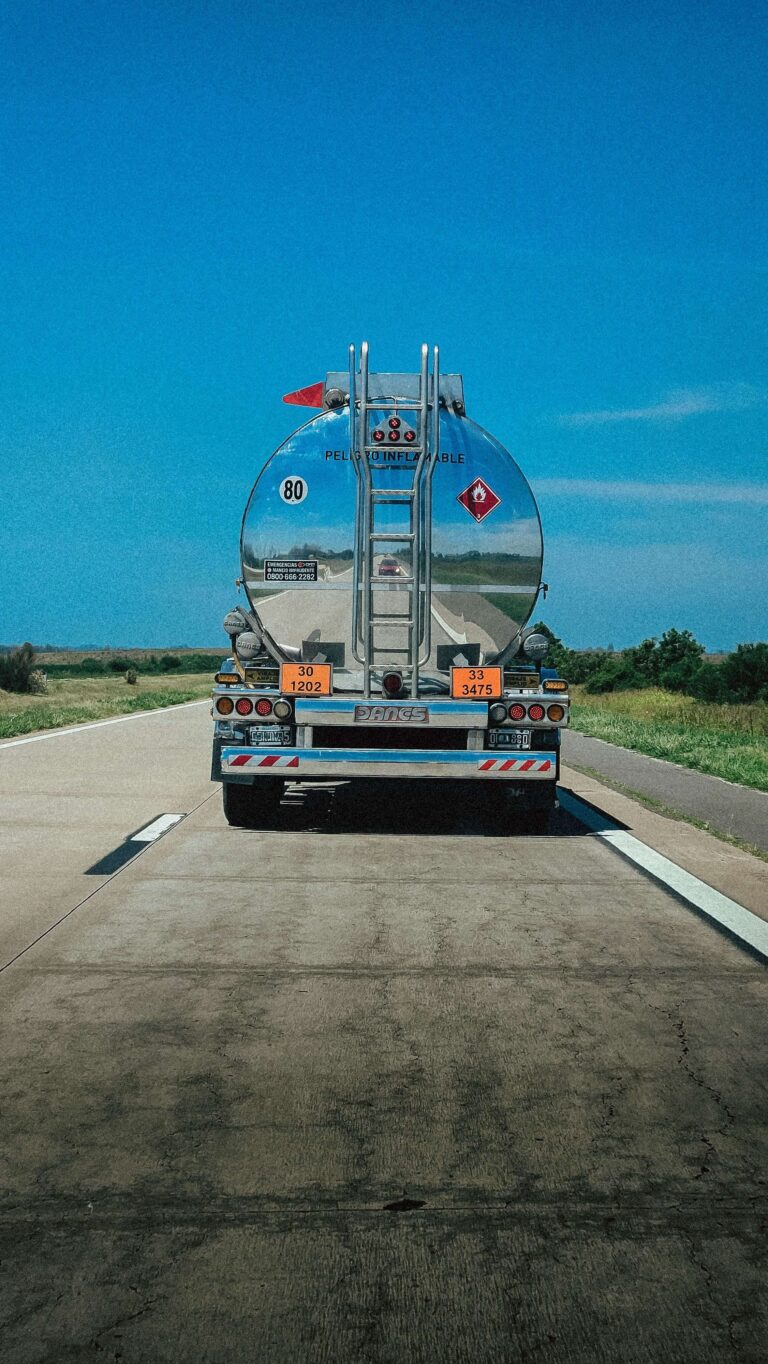
Dangerous goods cannot be sent through standard couriers because they require specialist transport, trained professionals, approved packaging, and strict compliance with ADR regulations. Unlike normal parcels, hazardous materials can pose risks such as fire, chemical exposure, contamination, or environmental harm if they are incorrectly handled.
Businesses transporting chemicals, lithium batteries, hazardous waste, or other regulated materials must use a suitable delivery solution designed for controlled transportation. Standard courier networks are built for general parcels and do not have the specialist equipment, safety procedures, or legal permissions needed for hazardous deliveries.
Choosing the correct transport method helps companies protect employees, customers, and the environment while ensuring dangerous goods are delivered safely and legally.
Dangerous goods require specialist transport because they involve strict safety requirements, including ADR-trained drivers, compliant packaging, correct documentation, and suitable vehicles.
Why Dangerous Goods Cannot Be Sent Through Standard Couriers
The reason dangerous goods cannot be sent through standard couriers is that these materials are controlled under strict transportation laws. Unlike everyday items, dangerous goods must be assessed according to their classification, risk level, and handling requirements before they can be moved. This is exactly why dangerous goods cannot be sent through standard couriers without proper controls.
Examples of regulated dangerous goods include:
Industrial chemicals
Flammable substances
Corrosive materials
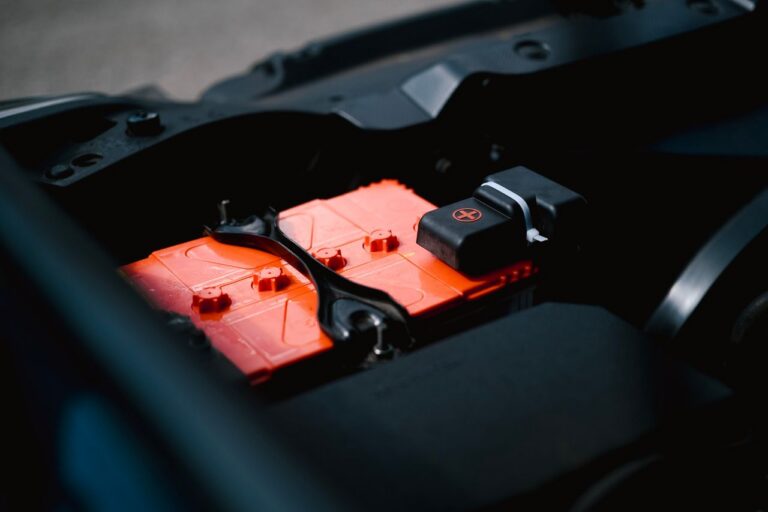
Lithium batteries
Hazardous waste
Laboratory products
Each category has different requirements for storage, packaging, transport conditions, and emergency procedures.
Standard courier companies typically cannot meet these requirements because their services are designed for non-hazardous shipments.
Dangerous goods cannot be sent through standard couriers because they require specialist transport, ADR-trained drivers, approved packaging, correct documentation, and vehicles that meet strict safety requirements. Standard courier networks are not designed to handle hazardous materials safely or comply with ADR regulations.
ADR Regulations Require Trained Transport Professionals
One of the biggest differences between normal deliveries and dangerous goods transport is driver training.
Under ADR regulations (often referred to as adr regulations), drivers transporting hazardous materials must complete specialist training to understand how goods should be prepared, loaded, secured, and transported.
This training covers important areas such as:
Hazard identification
Safe loading procedures
Emergency response actions
Legal transport responsibilities
A trained driver can recognise potential risks and follow the correct procedures if an incident occurs during transportation.
Dangerous Goods Need Approved Packaging and Documentation
Hazardous deliveries cannot be treated like standard parcels because they require specific preparation before collection.
Businesses must ensure dangerous goods have:
Suitable approved packaging
Correct hazard labels
Accurate transport documentation
Proper classification details
Incorrect preparation can lead to rejected shipments, legal penalties, or increased safety risks.
Specialist transport providers help businesses meet these requirements by ensuring every shipment follows the correct procedures before it leaves the site.
Standard Courier Networks Are Not Designed for Hazardous Deliveries
Standard courier operations rely on large distribution networks, automated sorting systems, and general parcel handling processes. These methods are effective for normal deliveries but are unsuitable for hazardous materials.
Some dangerous goods require:
Controlled handling processes
Dedicated transport vehicles
Separate storage arrangements
Additional safety checks
For example, damaged lithium batteries can create fire risks, while chemical substances may cause harm if they leak during transportation.
Using experienced providers for hazardous deliveries reduces these risks and ensures materials are managed correctly from collection to final destination.
How ADR Regulations Control Dangerous Goods Transport
ADR regulations establish the safety standards required for transporting dangerous goods by road. These international rules help businesses and transport providers maintain safe practices throughout the delivery process.
The regulations cover:
Vehicle requirements
Driver certification
Packaging standards
Documentation procedures
Loading and unloading rules
Why Businesses Need Specialist Transport Services
Companies handling hazardous materials need more than a basic courier service. They require a transport partner with experience in compliance, risk management, and safe handling procedures.
Using ADR courier services allows businesses to move regulated goods with trained drivers and appropriate safety measures. This is especially important for industries where materials must arrive safely without causing delays or compliance issues.
Companies transporting industrial chemicals can also benefit from chemical transport solutions designed for the safe movement of regulated substances.
Industries that commonly require specialist transport include manufacturing, pharmaceuticals, laboratories, automotive companies, and waste management providers.
Safe Hazardous Deliveries Start with the Correct Transport Partner
Understanding why dangerous goods cannot be sent through standard couriers helps businesses avoid unsafe shipping decisions. Hazardous materials require professional knowledge, specialist equipment, and strict compliance procedures that ordinary courier services cannot provide.
Working with an experienced transport provider ensures dangerous goods are managed according to ADR regulations while reducing risks throughout the delivery process.
Whether transporting chemicals, batteries, hazardous waste, or industrial materials, choosing the right specialist transport solution is essential for safe and compliant deliveries.