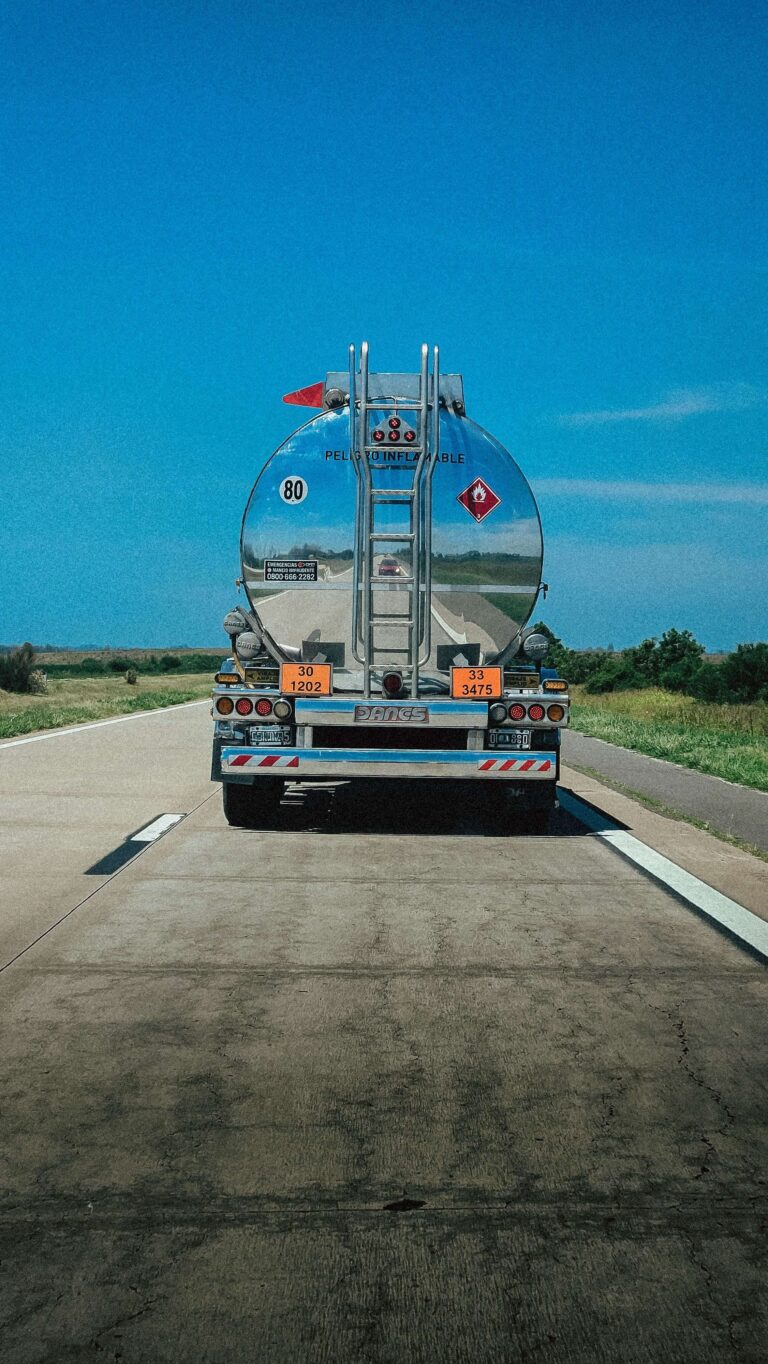
Many ADR transport mistakes result from poor preparation, incorrect documentation, or inadequate staff training. Adhering to ADR regulations and working with experienced transport providers help businesses remain compliant and avoid unnecessary delays.
What are the most common ADR transport mistakes?
The most common ADR transport mistakes businesses make include incorrect classification of dangerous goods, incomplete documentation, poor packaging, missing labels, inadequate vehicle inspections, insufficient driver training, and failure to comply with ADR regulations. Preventing these dangerous goods errors improves safety, reduces costs and ensures full ADR compliance.
Why ADR Compliance Matters
ADR regulations establish strict legal requirements for transporting dangerous goods by road throughout the UK and Europe. These rules ensure hazardous materials are packaged, labelled, documented and transported safely.
Failure to follow ADR requirements can result in shipment delays, enforcement action, financial penalties and serious safety incidents. Even a minor paperwork error may prevent goods from reaching their destination on time.
Maintaining strong ADR compliance also demonstrates professionalism, protects customers and helps businesses build long-term trust with suppliers and regulators.
Incorrect Classification of Dangerous Goods
One of the biggest dangerous goods errors businesses make is incorrectly identifying the hazard classification of their products.
Every dangerous substance belongs to a specific ADR hazard class and must be assigned the correct UN Number, Proper Shipping Name and Packing Group where applicable. Using incorrect classifications creates significant safety risks throughout transport.
For example, flammable liquids, corrosive substances and toxic materials all require different handling procedures. Misclassification can result in inappropriate packaging, incorrect emergency response information and non-compliant transport documentation.
Before arranging any shipment, businesses should always verify product classifications using the latest Safety Data Sheet (SDS) and ADR guidance.
Incomplete or Incorrect Transport Documentation
Documentation errors remain one of the leading causes of shipment delays.
ADR transport requires accurate transport documents containing detailed information about every dangerous goods consignment. Missing information may prevent vehicles from continuing their journey until the issue is resolved.
Common documentation mistakes include incorrect UN Numbers, inaccurate quantities, missing emergency contact details and outdated shipping information.
Maintaining accurate records not only supports ADR compliance but also allows emergency responders to react appropriately if an incident occurs during transport.
Businesses should regularly review documentation procedures to minimise administrative errors before goods leave the site.
Using Incorrect Packaging
Packaging protects dangerous goods throughout transportation and plays a vital role in preventing leaks, contamination and accidents.
Using damaged containers, non-approved packaging or unsuitable materials significantly increases transport risks. Products that are correctly classified can still become unsafe if packaged incorrectly.
ADR-approved packaging is tested to withstand transport conditions, including vibration, pressure changes and impacts. Businesses should always inspect packaging before loading goods and replace damaged containers immediately.
Selecting appropriate packaging also helps reduce unnecessary logistics mistakes that can lead to rejected deliveries or enforcement action.
Missing or Incorrect Labels and Markings
Labels communicate essential hazard information to everyone involved in the transport process.
Incorrect or missing hazard labels are among the most common ADR transport mistakes identified during inspections. Without clear markings, emergency services and transport operators may not understand the risks associated with the load.
Every package should display the correct hazard labels, orientation arrows where required, UN Numbers and any additional markings specified by ADR regulations.
Regular quality checks before dispatch help identify labelling issues before vehicles leave the depot.
Poor Vehicle Checks Before Transport
Vehicle inspections are an essential part of safe dangerous goods transport, yet they are often overlooked. Even when goods are properly packaged and documented, vehicle defects can pose serious risks during transit.
Before every journey, operators should inspect tyres, brakes, lights, steering, warning equipment, fire extinguishers and load restraint systems. Vehicles carrying dangerous goods should also display the correct ADR orange plates and any required hazard placards.
Routine maintenance reduces the likelihood of breakdowns and helps ensure every journey complies with ADR requirements. Keeping inspection records also demonstrates a proactive approach to ADR compliance during audits or roadside checks.
Inadequate Driver Training
One of the most preventable ADR transport mistakes is allowing drivers or warehouse staff to handle dangerous goods without appropriate training.
ADR regulations require everyone involved in the transport of dangerous goods to understand their responsibilities. Drivers transporting loads above ADR threshold limits must hold a valid ADR Driver Training Certificate, while warehouse and administrative staff should receive function-specific awareness training relevant to their roles.
Well-trained employees understand correct loading procedures, emergency response actions, documentation requirements and hazard identification. This knowledge reduces dangerous goods errors, improves workplace safety and minimises costly operational disruptions.
Regular refresher training helps staff remain familiar with changing regulations and reinforces best practice across the business.
Poor Loading and Load Securing
Improper loading is a frequent cause of transport incidents. Dangerous goods that are not secured correctly can shift during braking, acceleration or cornering, increasing the risk of damaged packaging, spills and accidents.
Loads should be distributed evenly throughout the vehicle, with suitable restraint systems used to prevent movement. Incompatible hazardous substances must never be transported together if ADR segregation requirements prohibit it.
Effective loading procedures protect drivers, other road users and the environment while helping businesses avoid unnecessary logistics mistakes that may lead to rejected deliveries or enforcement action.
Ignoring Emergency Procedures
Many organisations focus on dispatching dangerous goods but overlook what happens if something goes wrong during transport.
Every business involved in ADR transport should have documented emergency procedures covering spills, leaks, fires, accidents and exposure to hazardous materials. Drivers should know how to use emergency equipment, report incidents and follow written instructions carried within the vehicle.
Preparing for emergencies limits environmental damage, protects public safety and supports legal compliance throughout the transport process.
Failing to Keep Up with ADR Regulation Changes
ADR regulations are updated regularly to reflect new safety requirements, revised classifications and changes affecting dangerous goods transport.
Businesses that continue using outdated procedures may unknowingly fall out of compliance. This can result in failed inspections, shipment delays and unnecessary financial penalties.
Reviewing operational procedures whenever ADR updates are introduced helps organisations remain compliant and improves overall transport efficiency. Monitoring regulatory changes also allows businesses to identify opportunities for safer working practices.
Choosing the Wrong Transport Provider
Selecting a transport company based solely on price can create significant compliance risks. Not every carrier has the knowledge, equipment or experience required to transport dangerous goods safely.
Working with specialists in dangerous goods transporthelps businesses reduce compliance risks through correct documentation, suitable vehicles, trained personnel and proven operational procedures.
Experienced ADR transport providers understand current legislation, maintain compliant fleets and ensure every shipment meets legal requirements from collection through to delivery.
Investing in specialist expertise often prevents costly mistakes that outweigh any short-term savings offered by non-specialist carriers.
The Business Impact of ADR Transport Mistakes
The consequences of poor ADR compliance extend far beyond regulatory penalties. Businesses may experience delayed deliveries, damaged customer relationships, increased insurance costs, and expensive product losses following transport incidents.
Repeated ADR transport mistakes can also harm a company’s reputation, making customers less confident in its ability to handle hazardous materials safely. In highly regulated industries, non-compliance may even result in contract losses or enforcement action from regulatory authorities.
Developing a culture of compliance helps organisations reduce operational risks while demonstrating a commitment to safety and professionalism.
How to Prevent ADR Transport Mistakes
Preventing ADR transport mistakes starts with building a strong compliance culture across the organisation. Every stage of the transport process should be reviewed regularly, from product classification and packaging to loading, documentation and delivery. Businesses that implement clear procedures are less likely to experience dangerous goods errors that lead to delays or regulatory action.
Regular internal audits help identify weaknesses before they become costly problems. Reviewing transport documentation, inspecting packaging, checking vehicle condition and monitoring staff performance all contribute to better ADR compliance. Businesses should also ensure that Safety Data Sheets (SDS) remain up to date and that every shipment is checked against current ADR requirements before dispatch.
Technology can further reduce logistics mistakes by improving accuracy and traceability. Digital documentation systems, barcode scanning, electronic proof of delivery and fleet management software help minimise manual errors while providing greater visibility throughout the transport process. Combining these tools with experienced personnel creates a safer and more efficient transport operation.
Building a Safer ADR Transport Process
Businesses that consistently comply with ADR regulations rarely rely on a single control measure. Instead, they combine employee training, documented procedures, routine inspections, and continuous improvement to maintain high safety standards.
Management should encourage employees to report potential compliance issues before shipments leave the site. Addressing small concerns early can prevent serious incidents later in the supply chain. Open communication between warehouse teams, transport coordinators and drivers also helps ensure that dangerous goods are handled correctly at every stage of the journey.
Regular reviews of transport performance, near misses and compliance audits provide valuable insights that can strengthen future operations. Learning from previous incidents helps businesses improve procedures while reducing the likelihood of repeated mistakes.
Avoiding ADR transport mistakes requires more than simply following a checklist. Businesses must understand how ADR regulations apply to their operations and ensure every shipment is classified, packaged, labelled, documented and transported correctly.
Many dangerous goods errors can be prevented through better planning, ongoing employee training and regular compliance reviews. Investing in robust procedures not only improves ADR compliance but also reduces logistics mistakes, protects employees and supports reliable customer service.
By adopting best practices and working with experienced ADR transport specialists, organisations can minimise operational risks, remain legally compliant and transport dangerous goods safely across the UK.