A UN number is an internationally recognised identification code assigned to hazardous substances and articles. It enables emergency services, transport companies, and regulators to identify dangerous goods quickly, reducing risk while supporting safe and compliant ADR transport. The system standardises how hazardous materials are identified and handled worldwide.
What Is a UN Number?
A UN number is a four-digit identifier used to identify dangerous goods during transport. Also known as a UN code, it forms part of the international system for dangerous goods classification and helps ensure hazardous materials are packaged, labelled, documented, and transported safely. Whether goods travel by road, sea, rail, or air, the correct UN number is essential for legal compliance and safe ADR transport.
What Is a UN Number Used For?
The United Nations assign every hazardous material approved for transport a unique UN number. The number remains the same worldwide, allowing dangerous goods to be identified consistently across different countries and transport methods.
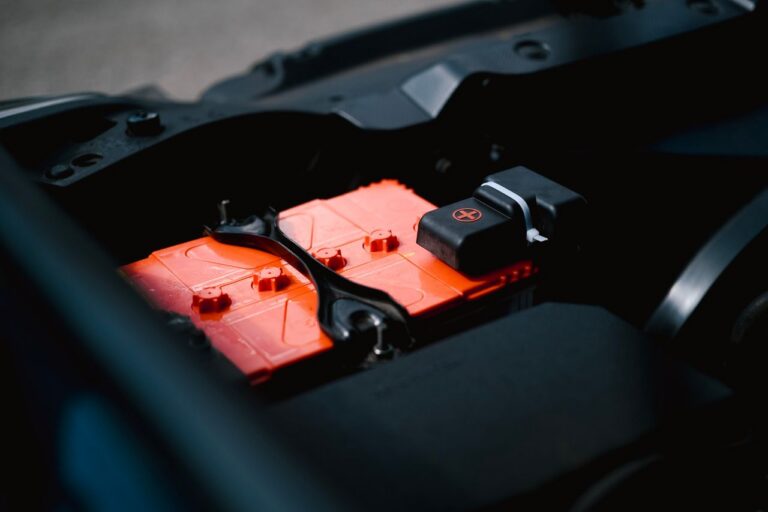
For example, petrol is always identified as UN1203, while lithium-ion batteries are identified as UN3480. This standardised system prevents confusion and supports accurate dangerous goods classification throughout the supply chain.
Why UN Numbers Matter in ADR Transport
A UN number plays an important role in ADR transport because it identifies the exact hazard presented by a substance. Emergency responders rely on this information to select appropriate firefighting methods, protective equipment, and spill-response procedures in the event of an incident.
The correct UN code also appears on transport documentation, package labels, vehicle placards, and shipping papers. Without accurate identification, dangerous goods may be transported incorrectly, creating unnecessary safety risks and increasing the likelihood of regulatory action.
How UN Codes Support Dangerous Goods Classification
The dangerous goods classification system groups hazardous materials according to the risks they present during transport. Each product is assessed before receiving its UN number and classification.
This assessment considers flammability, toxicity, corrosiveness, explosiveness, oxidising properties, environmental hazards, and chemical stability. Once classified, the product must follow the relevant ADR transport requirements for packaging, labelling, storage, and documentation.
Because every UN code is linked to a specific classification, businesses can transport hazardous goods safely while complying with UK and international regulations.
Common Examples of UN Numbers
Some of the most frequently encountered UN numbers include UN1203 for petrol, UN1090 for acetone, UN1830 for sulphuric acid, UN1950 for aerosols, and UN3480 for lithium-ion batteries. These identifiers are recognised worldwide and are used consistently across all approved transport methods.
Where You Will Find a UN Number
A UN number appears wherever dangerous goods are prepared for transport. It can be found on outer packaging, hazard labels, transport documentation, Safety Data Sheets, waste transfer paperwork, and vehicle placards. This consistent identification ensures everyone involved in the transport process understands the hazards associated with the shipment.
What Happens If the Wrong UN Number Is Used?
Using an incorrect UN code can lead to shipment delays, failed inspections, rejected consignments, enforcement action, and increased safety risks. Incorrect dangerous goods classification may also result in unsuitable packaging or emergency procedures, putting people and the environment at greater risk.
Checking the correct UN number before every shipment helps businesses remain compliant while reducing operational and legal risks.
Staying Compliant with ADR Transport Regulations
Businesses transporting hazardous materials should always verify the correct UN number before dispatch. Packaging, labelling, and documentation must match the assigned dangerous goods classification to meet ADR transport requirements.
Working with experienced ADR transport specialists helps ensure every shipment complies with current legislation while improving safety and reducing the likelihood of costly mistakes.
Using a professional dangerous goods transport service helps ensure shipments comply with ADR regulations while reducing safety, operational, and legal risks.
For businesses requiring compliant hazardous goods transport, ADR Transport UK provides professional ADR courier and dangerous goods transport services across the UK.
Understanding the purpose of a UN number helps businesses transport hazardous materials safely and legally. By using the correct UN code and following the appropriate dangerous goods classification, organisations can meet ADR transport regulations, improve safety, and reduce the risk of delays, fines, or incidents.