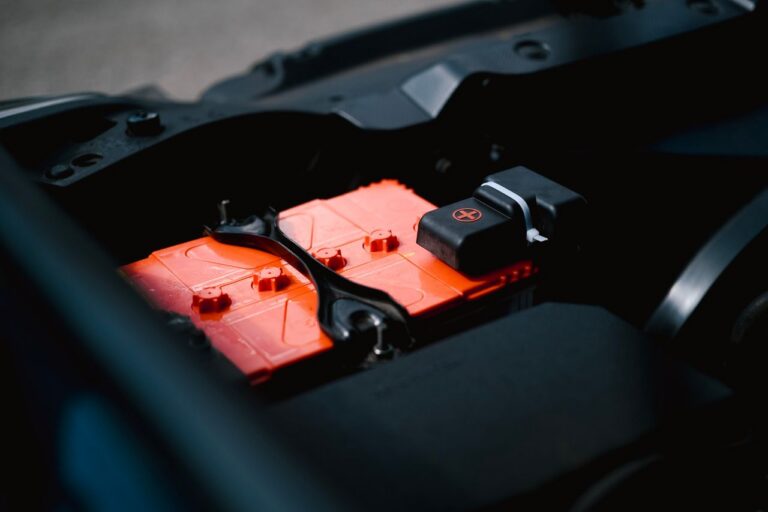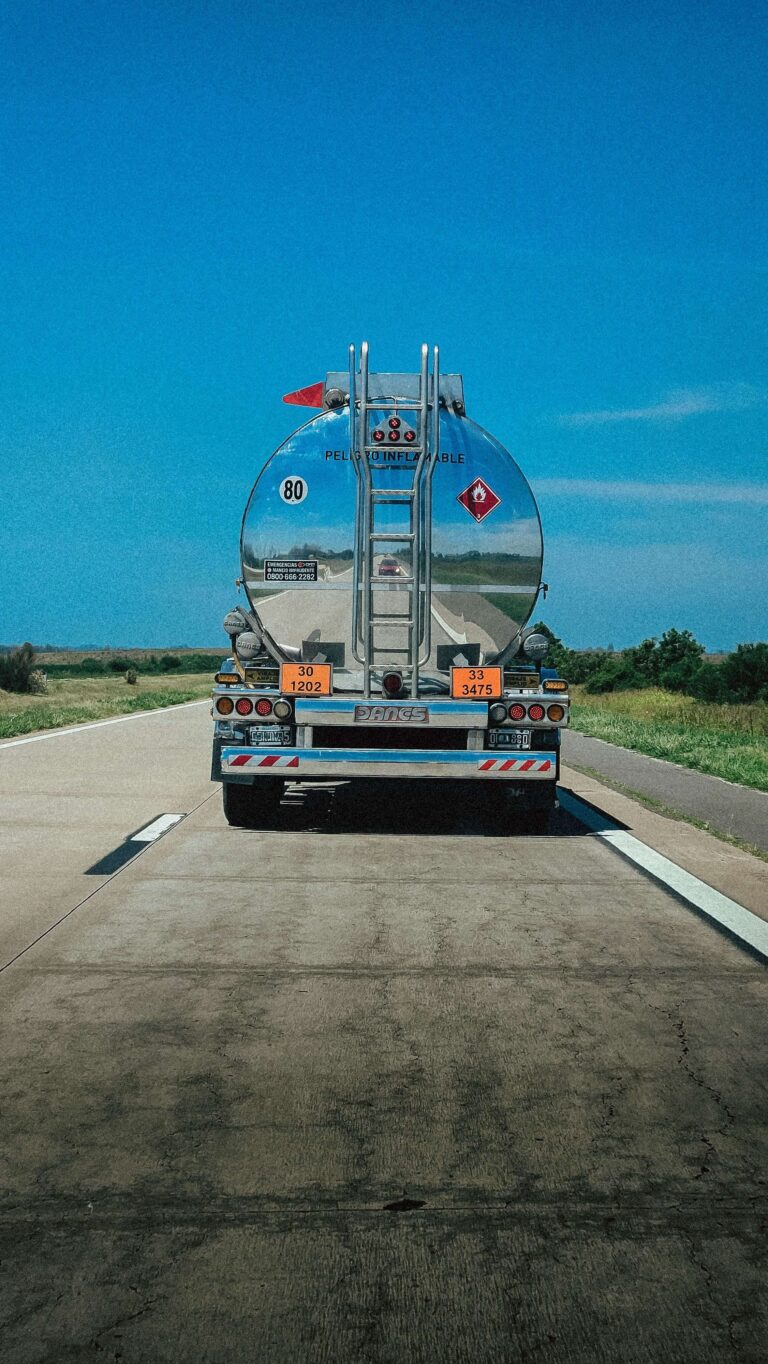
Transporting hazardous materials requires careful planning, specialist knowledge, and strict attention to safety requirements and legal compliance. For businesses handling chemicals, batteries, gases, or other regulated substances, mistakes during transportation can lead to financial losses, legal problems, and damage to company reputation under dangerous goods law.
ADR compliance provides businesses with a clear framework for managing dangerous goods safely while meeting their responsibilities under UK transport requirements. By following the correct procedures for classification, packaging, documentation, and handling, organisations can reduce risks before they become costly issues.
As regulations continue to evolve, businesses must understand how compliance protects daily operations and supports long-term success. Meeting ADR regulations is not only about avoiding penalties; it is about creating safer supply chains, protecting employees, and demonstrating responsible business practices.
This guide explains how ADR compliance protects your business from legal risks, supports legal compliance, and enables confident operations when transporting goods covered by dangerous goods law.
ADR Compliance: How It Protects Your Business from Legal Risks
ADR compliance ensures businesses transporting dangerous goods follow strict safety rules, reduce legal exposure, and protect employees, customers, and the environment.
Companies that handle chemicals, batteries, gases, and other hazardous materials must understand their responsibilities under ADR regulations. Failure to meet these requirements can result in penalties, operational disruption, reputational damage, and serious safety concerns.
What Is ADR Compliance?
ADR compliance refers to following the international ADR regulations that control the safe transport of dangerous goods by road. These requirements establish how hazardous materials must be classified, packaged, labelled, documented, handled, and transported.
Businesses involved in the movement of dangerous goods must ensure their processes meet the standards set by ADR regulations. These rules apply to manufacturers, suppliers, distributors, waste companies, logistics providers, and any organisation responsible for moving hazardous materials.
The purpose of ADR compliance is to reduce risks during transportation by ensuring dangerous goods are managed correctly from collection through to final delivery. It creates a structured approach that helps businesses prevent accidents, protect workers, and maintain safe supply chains.
For companies transporting hazardous materials, working with experienced providers that understand ADR regulations can help ensure every stage of the transport process meets required safety standards.
Why ADR Compliance Is Essential for Legal Compliance
Maintaining legal compliance is one of the most important responsibilities for any business involved in dangerous goods transport. UK companies must follow strict legislation covering the movement of hazardous materials to protect people, property, and the environment.
Businesses that ignore ADR requirements may face enforcement action from regulatory authorities. This can include fines, prosecution, restrictions on operations, or the suspension of transport activities.
ADR compliance helps businesses demonstrate that they have taken appropriate measures to manage hazardous materials safely. It shows regulators, customers, and supply chain partners that the company follows recognised safety procedures.
A strong compliance process also reduces the likelihood of accidents caused by incorrect packaging, poor documentation, improper handling, or unsuitable transport methods. These preventative measures protect businesses from legal complications while supporting safer operations.
Understanding Dangerous Goods Law and Business Responsibilities
Dangerous goods law exists to control how hazardous substances are stored, handled, and transported. These laws apply because certain materials can create significant risks if they are incorrectly managed.
Dangerous goods can include substances such as:
Chemicals
Flammable materials
Compressed gases
Lithium batteries
Industrial waste
Infectious substances
Businesses must identify whether their goods fall under dangerous goods classifications before arranging transport. This involves understanding hazard classes, UN numbers, packaging requirements, and documentation obligations.
Incorrect classification is one of the most common causes of non-compliance. If a product is incorrectly identified, it may be packaged or transported using unsuitable methods, increasing the chance of accidents and regulatory breaches.
Companies must also ensure employees involved in dangerous goods handling receive appropriate training. Staff awareness is a critical part of ADR compliance because even small mistakes during preparation or loading can create serious safety risks.
How ADR Regulations Reduce Legal Risks
ADR regulations provide businesses with a clear framework for transporting hazardous materials safely. These regulations establish consistent requirements that help prevent accidents and improve accountability throughout the supply chain.
Following ADR regulations reduces legal risks by ensuring businesses maintain accurate documentation, use approved packaging, and follow correct transport procedures.
For example, dangerous goods shipments usually require specific information such as:
Correct UN classification
Hazard labels
Transport documents
Emergency response information
Approved packaging details
When these requirements are completed correctly, businesses can prove that they have followed their legal obligations.
Non-compliance can create serious consequences. A business may experience delivery delays, rejected shipments, financial penalties, or investigations if dangerous goods are transported incorrectly.
By integrating ADR compliance into daily operations, businesses can avoid unnecessary risks and maintain confidence among customers, employees, and regulatory authorities.
The Legal Risks of Failing to Follow ADR Compliance Requirements
Failing to maintain ADR compliance can expose businesses to significant legal and financial risks. Organisations that transport dangerous goods have a responsibility to ensure every stage of the process meets required safety standards.
When businesses fail to follow ADR regulations, they may unintentionally breach transport legislation. These breaches can happen because of incorrect classification, missing documentation, unsuitable packaging, inadequate staff training, or using transport providers without the necessary expertise.
Regulatory authorities can take enforcement action when dangerous goods are not managed correctly. Depending on the severity of the breach, businesses may face financial penalties, legal investigations, damaged relationships with customers, and disruption to normal operations.
The consequences can extend beyond immediate penalties. A single compliance failure can harm a company’s reputation, particularly when customers depend on reliable and safe supply chains. Demonstrating strong ADR compliance helps businesses maintain trust and show that safety is a priority.
How ADR Compliance Protects Your Business from Financial Penalties
One of the biggest advantages of maintaining ADR compliance is reducing the risk of costly penalties. Businesses that transport hazardous materials must meet strict requirements to avoid regulatory issues.
Incorrect handling of dangerous goods can lead to unexpected costs, including rejected deliveries, emergency response expenses, additional transport arrangements, and potential legal fees.
A structured ADR compliance process helps identify potential problems before transportation begins. By checking documentation, confirming classifications, and ensuring appropriate packaging, businesses can prevent avoidable mistakes.
Companies that prioritise compliance also benefit from better operational control. Employees understand their responsibilities, procedures become more consistent, and dangerous goods movements can be completed with fewer delays.
Investing in proper compliance measures is often significantly more cost-effective than dealing with the consequences of non-compliance after an incident occurs.
The Importance of Correct Dangerous Goods Documentation
Accurate documentation is a key part of ADR compliance because it provides essential information about hazardous materials being transported.
Transport documents allow drivers, emergency responders, and authorities to understand what materials are being carried and what safety measures are required.
Incorrect or incomplete paperwork can create serious compliance problems. Even when dangerous goods are packaged correctly, missing information can result in transport delays or regulatory action.
Businesses must ensure documentation includes accurate details about the shipment, including the correct classification, quantity, packaging information, and emergency instructions where required.
Maintaining accurate records also helps businesses demonstrate their commitment to legal compliance. In the event of an inspection or investigation, clear documentation provides evidence that proper procedures were followed.
How Professional Dangerous Goods Transport Supports ADR Compliance
Working with an experienced transport provider can help businesses manage the complex requirements involved in dangerous goods movement.
Professional operators understand how ADR regulations apply to different types of hazardous materials and can provide guidance on safe collection, transportation, and delivery processes.
Businesses handling hazardous materials can benefit from using specialist services that understand packaging requirements, documentation standards, and legal responsibilities. Choosing a knowledgeable provider reduces the risk of mistakes and improves overall transport reliability.
Companies looking for support with compliant hazardous material movements can use specialist dangerous goods transport services to ensure their shipments are handled according to industry requirements.
A reliable transport partner can also help businesses stay updated when ADR regulations change. This is important because compliance requirements can develop over time, and companies must adapt their procedures accordingly.
Industries That Depend on ADR Compliance
Many industries rely on ADR compliance because they regularly handle materials that require specialist transport arrangements.
Manufacturing companies often transport chemicals, solvents, and industrial substances that must be managed under strict safety rules. Without effective compliance procedures, these businesses may experience supply chain disruption or regulatory issues.
The automotive and electric vehicle sectors also depend on ADR regulations due to the increasing use of lithium batteries and other hazardous components. These materials require careful classification, packaging, and transportation methods.
Laboratories, healthcare organisations, and research facilities may also transport controlled substances, chemicals, or samples that require specific handling procedures.
Waste management companies have additional responsibilities because hazardous waste must be collected, transported, and processed safely. Correct ADR compliance helps ensure waste movements meet environmental and transport requirements.
Across all these industries, following dangerous goods law protects businesses by reducing risks and creating safer working practices.
Building a Strong ADR Compliance Strategy
A successful ADR compliance strategy requires businesses to take a proactive approach rather than reacting after problems occur.
The first step is understanding which dangerous goods requirements apply to the organisation. This includes identifying hazardous materials, reviewing transport responsibilities, and ensuring employees understand their roles.
Regular staff training is another important element. Employees involved in packaging, documentation, loading, or transport preparation should understand the correct procedures and potential risks.
Businesses should also review their internal processes regularly. Checking documentation procedures, supplier requirements, and transport arrangements helps identify weaknesses before they become compliance issues.
Keeping accurate records and monitoring regulatory updates allows businesses to maintain continuous compliance. A well-managed approach protects the organisation while improving safety across the entire supply chain.
The Legal Consequences of Poor ADR Compliance
Businesses that fail to maintain ADR compliance may face serious legal and operational consequences. The transportation of hazardous materials is highly regulated because incorrect handling can create risks for employees, the public, property, and the environment.
Under dangerous goods law, companies have a responsibility to ensure hazardous materials are correctly identified, packaged, labelled, documented, and transported. Ignoring these responsibilities can result in enforcement action, financial penalties, and disruption to business activities.
Common compliance failures include incorrect hazard classification, incomplete transport documentation, unsuitable packaging, and insufficient employee training. Even a small mistake can lead to delays, rejected shipments, or investigations by regulatory authorities.
Following ADR regulations helps businesses create a safer transport process and reduces the possibility of legal problems. A structured compliance approach demonstrates that the organisation has taken reasonable steps to manage dangerous goods responsibly.
How ADR Compliance Helps Avoid Costly Business Disruption
Maintaining strong ADR compliance does more than prevent penalties. It also helps businesses avoid operational interruptions that can affect customers, suppliers, and revenue.
When dangerous goods are transported incorrectly, shipments may be delayed or refused. This can impact production schedules, customer deliveries, and supply chain performance.
For example, a manufacturing company relying on chemical deliveries may experience significant downtime if a shipment is stopped because of incorrect documentation or packaging issues. These delays can create additional costs and damage customer relationships.
A clear compliance system allows businesses to identify potential risks before transportation begins. Checking classification details, preparing correct paperwork, and using suitable transport arrangements ensures goods move efficiently and safely.
By integrating compliance procedures into everyday operations, businesses can improve reliability while reducing unnecessary risks.
The Role of Employee Training in ADR Compliance
Employees play an essential role in achieving effective ADR compliance. Anyone involved in preparing, handling, loading, or transporting dangerous goods must understand the correct safety procedures.
Without appropriate training, employees may make mistakes that create legal and safety risks. Incorrect labelling, poor handling practices, or missing documentation can affect the entire transport process.
Regular training ensures staff understand their responsibilities under ADR regulations. It also helps employees recognise hazardous materials, follow emergency procedures, and complete required documentation correctly.
Businesses should view training as an ongoing responsibility rather than a one-time activity. Regulations can change, and employees may need updated knowledge to maintain compliance.
A well-trained workforce supports stronger legal compliance and helps create a safety-focused workplace culture.
Why Correct Packaging and Labelling Matter Under ADR Regulations
Packaging and labelling are critical parts of dangerous goods transportation. ADR regulations require hazardous materials to be prepared using approved methods that reduce risks during handling and movement.
Incorrect packaging can result in leaks, spills, contamination, or exposure to dangerous substances. These incidents can create safety hazards and may lead to legal consequences for the responsible organisation.
Clear hazard labels provide essential information to drivers, warehouse teams, and emergency responders. They identify the type of risk involved and help ensure the correct safety measures are followed.
Businesses that prioritise accurate packaging and labelling demonstrate their commitment to ADR compliance. This reduces the chance of transport failures and supports safer supply chain operations.
How ADR Compliance Supports Environmental Responsibility
Environmental protection is another important reason businesses must follow ADR requirements. Many dangerous goods have the potential to cause environmental damage if they are released during transportation.
Effective ADR compliance helps prevent incidents by ensuring hazardous materials are handled using appropriate procedures. This includes selecting suitable packaging, following transport rules, and preparing emergency information.
Companies that transport chemicals, hazardous waste, or batteries must consider the environmental impact of their activities. Compliance helps organisations meet their responsibilities while reducing the risk of pollution or unsafe disposal.
Strong environmental practices also improve business reputation. Customers and partners increasingly expect companies to demonstrate responsible handling of hazardous materials.
Choosing the Right Dangerous Goods Transport Partner
Selecting an experienced transport provider is an important step in maintaining ADR compliance. Dangerous goods require specialist knowledge, and not every standard courier service has the qualifications or equipment needed to manage hazardous materials safely.
A reliable transport partner understands ADR regulations and can help businesses manage complex requirements, including classification, documentation, packaging checks, and safe delivery procedures.
Working with a specialist provider reduces compliance risks and provides confidence that dangerous goods are being handled correctly throughout the journey.
Businesses requiring professional support for hazardous material movements can use trusted dangerous goods transport services to ensure their shipments follow the required safety standards.
A suitable transport partner can also help businesses adapt when regulations change, ensuring continued compliance and reducing the risk of unexpected legal issues.
The Long-Term Business Benefits of ADR Compliance
ADR compliance provides long-term advantages that go beyond meeting legal obligations. Businesses that maintain strong compliance procedures can improve safety, strengthen customer confidence, and operate more efficiently.
A consistent approach to hazardous goods management helps reduce accidents, prevent delays, and improve workplace safety. It also shows customers and regulators that the organisation takes responsibility seriously.
Companies with effective compliance systems are better prepared for inspections and regulatory changes. They can respond quickly because their procedures, documentation, and training processes are already established.
By making ADR compliance part of everyday business operations, organisations can protect their reputation, support safer transport practices, and build a more reliable supply chain.