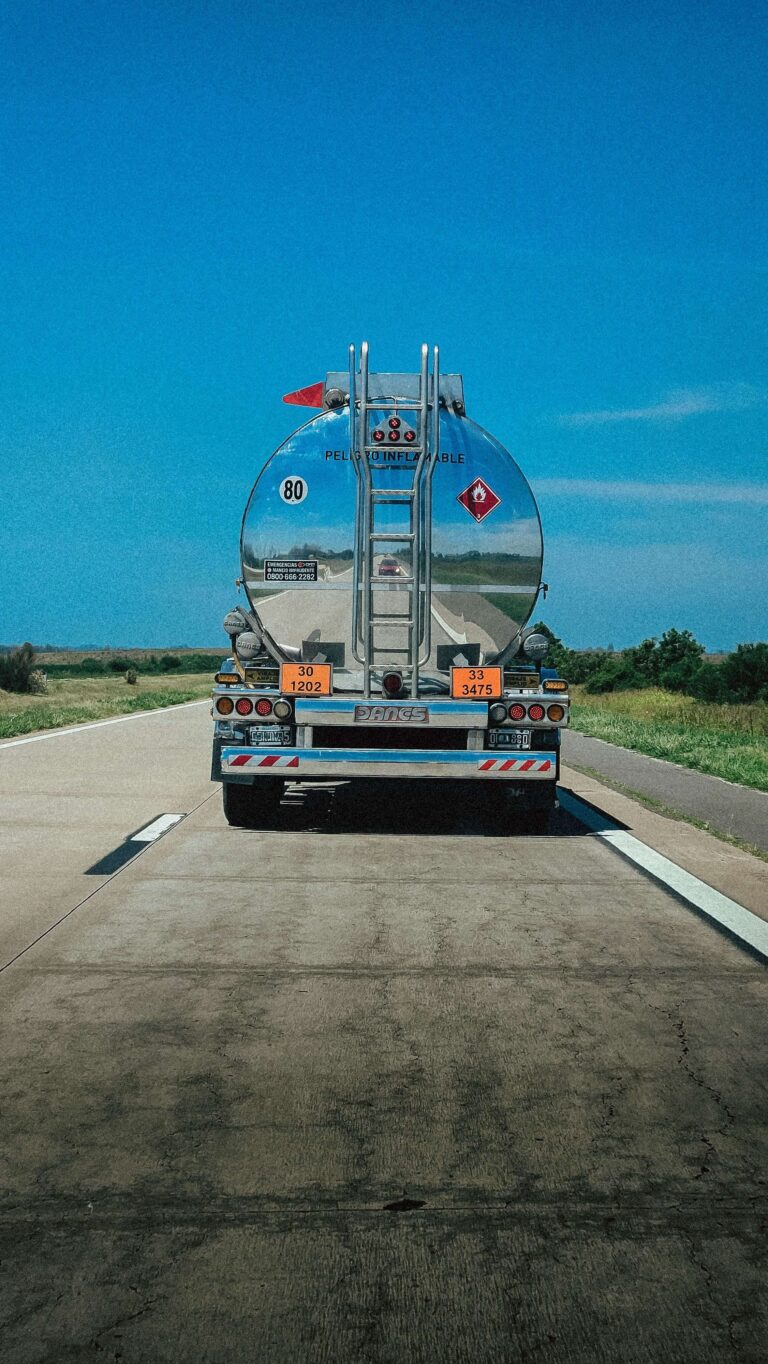
Preparing dangerous goods for transport requires more than simply packing items and arranging collection. Businesses must follow strict ADR regulations to ensure hazardous materials are handled, packaged, labelled, documented, and transported safely. Understanding how businesses can prepare dangerous goods for collection helps reduce safety risks, prevent costly delays, and maintain legal compliance. Whether transporting chemicals, lithium batteries, flammable liquids, aerosols, or hazardous waste, effective ADR collection, compliant hazardous goods packaging, and thorough transport preparation are essential for protecting people, property, and the environment while ensuring every shipment reaches its destination safely.
How Businesses Can Prepare Dangerous Goods for Collection
Businesses that ship hazardous materials have a legal duty to prepare every consignment safely before collection. Knowing how businesses can prepare dangerous goods for collection helps reduce risks, prevent transport delays, and ensure compliance with UK ADR regulations. Proper ADR collection, secure hazardous goods packaging, and accurate transport preparation protect employees, drivers, customers, and the environment while keeping the supply chain running efficiently.
What Is the Best Way to Prepare Dangerous Goods for Collection?
The safest way to prepare dangerous goods for collection is to:
classify the goods correctly
use approved hazardous goods packaging
apply ADR labels
complete transport documentation
store shipments safely
and arrange collection with a compliant ADR transport provider
Following these steps reduces the risk of rejected loads, damaged goods, and regulatory penalties.
Identify and Classify Dangerous Goods
Every dangerous substance must be correctly identified before collection. The Safety Data Sheet (SDS) provides the information needed to determine:
the correct UN number
Proper Shipping Name
hazard class
packing group
and any special handling requirements
Accurate classification ensures the shipment complies with ADR legislation and helps determine the correct:
packaging
labels
documentation
vehicle requirements
and emergency procedures
Choose UN-Approved Hazardous Goods Packaging
Packaging protects dangerous goods throughout transport. Businesses should always select UN-certified containers designed for the specific product being transported. Packaging must withstand:
handling
stacking
vibration
and changes in temperature
without leaking or becoming damaged.
Containers should be inspected before every collection to confirm they remain:
sealed
undamaged
and suitable for transport
Reusing damaged packaging increases the risk of contamination and may result in the shipment being refused.
Apply ADR Labels and Mandatory Markings
Every package should display the correct hazard labels before collection. Labels allow drivers, warehouse staff, and emergency responders to identify hazards immediately.
Typical markings include:
the UN number
Proper Shipping Name
hazard diamond
orientation arrows where required
and environmentally hazardous substance markings when applicable
Labels should remain visible and securely attached throughout transport.
Prepare Accurate Transport Documentation
Incorrect paperwork is one of the most common reasons dangerous goods collections are delayed. Every shipment should include complete transport documentation before the vehicle arrives.
Documentation normally includes:
the UN number
Proper Shipping Name
hazard class
packing group
quantity
consignor details
consignee details
and emergency information
Reviewing paperwork before dispatch helps avoid unnecessary delays and ensures regulatory compliance.
Store Dangerous Goods Safely Before ADR Collection
Prepared shipments should remain in a secure storage area until collection. Hazardous materials should be protected from physical damage, excessive heat, moisture, and unauthorised access. Incompatible substances must always be stored separately to prevent dangerous chemical reactions.
Businesses arranging hazardous waste transport should also ensure waste containers are sealed correctly and stored in accordance with environmental regulations before collection.
Prepare the Collection Area
An organised loading area allows ADR drivers to complete collections efficiently and safely. Collection points should provide:
sufficient vehicle access
adequate lighting
clear walkways
and enough space to load goods securely
Documentation should be available immediately, and staff responsible for the shipment should be present to answer any questions before loading begins.
Train Employees on Dangerous Goods Handling
Employees involved in packing or dispatching dangerous goods should receive regular ADR awareness training. Staff should understand:
hazard identification
packaging requirements
labelling procedures
emergency response actions
and safe manual handling techniques
Regular refresher training helps businesses remain compliant while reducing the likelihood of human error.
Carry Out a Final Compliance Check
Before releasing any shipment, businesses should complete a final inspection. Verify that every package is:
correctly sealed
labelled
documented
and ready for transport
Confirm that:
the quantity matches the paperwork
and that no containers show signs of damage
This final quality check helps prevent rejected collections and supports a smooth transport process.
Benefits of Proper Transport Preparation
Effective transport preparation provides advantages beyond legal compliance. Businesses experience:
fewer delays
improved operational efficiency
reduced product loss
lower environmental risk
and greater confidence that dangerous goods will reach their destination safely
Consistent preparation also strengthens customer trust by demonstrating a commitment to safe and responsible transport practices.
Understanding how businesses can prepare dangerous goods for collection is essential for every organisation handling hazardous materials. Correct classification, compliant hazardous goods packaging, accurate documentation, secure storage, careful transport preparation, and professional ADR collection all contribute to safer operations and full regulatory compliance. Following these best practices helps businesses reduce risk, improve efficiency, and ensure every shipment is transported safely across the UK.