What Does an ADR Driver Do?
An ADR driver is a professionally trained driver authorised to transport dangerous goods under the European Agreement concerning the International Carriage of Dangerous Goods by Road (ADR). Their role extends beyond driving. They inspect vehicles, verify documentation, secure hazardous loads, assess transport risks and follow emergency procedures that protect the public and the environment.
Through ADR compliance, qualified drivers ensure every shipment meets UK legal requirements before, during and after transport.
How ADR Drivers Keep Hazardous Deliveries Safe
ADR drivers keep hazardous deliveries safe by making informed decisions throughout the entire transport process, not just by following regulations. They continually assess changing road conditions, confirm that hazardous materials remain stable during transit, and adapt their driving to minimise the risk of sudden movement or damage to the load. Effective communication with dispatch teams and delivery sites also helps prevent delays and ensures any potential issues are managed before they become safety concerns. This proactive approach, combined with ADR driver training, strong dangerous goods safety practices and consistent ADR compliance, allows hazardous goods to be delivered securely, efficiently and in accordance with UK transport legislation.
Why ADR Driver Training Is Essential
ADR driver training equips drivers with the knowledge needed to transport hazardous materials safely and legally. The course covers hazard classification, packaging standards, load security, vehicle marking, emergency actions and incident reporting.
Training also helps drivers:
identify potential transport hazards before departure
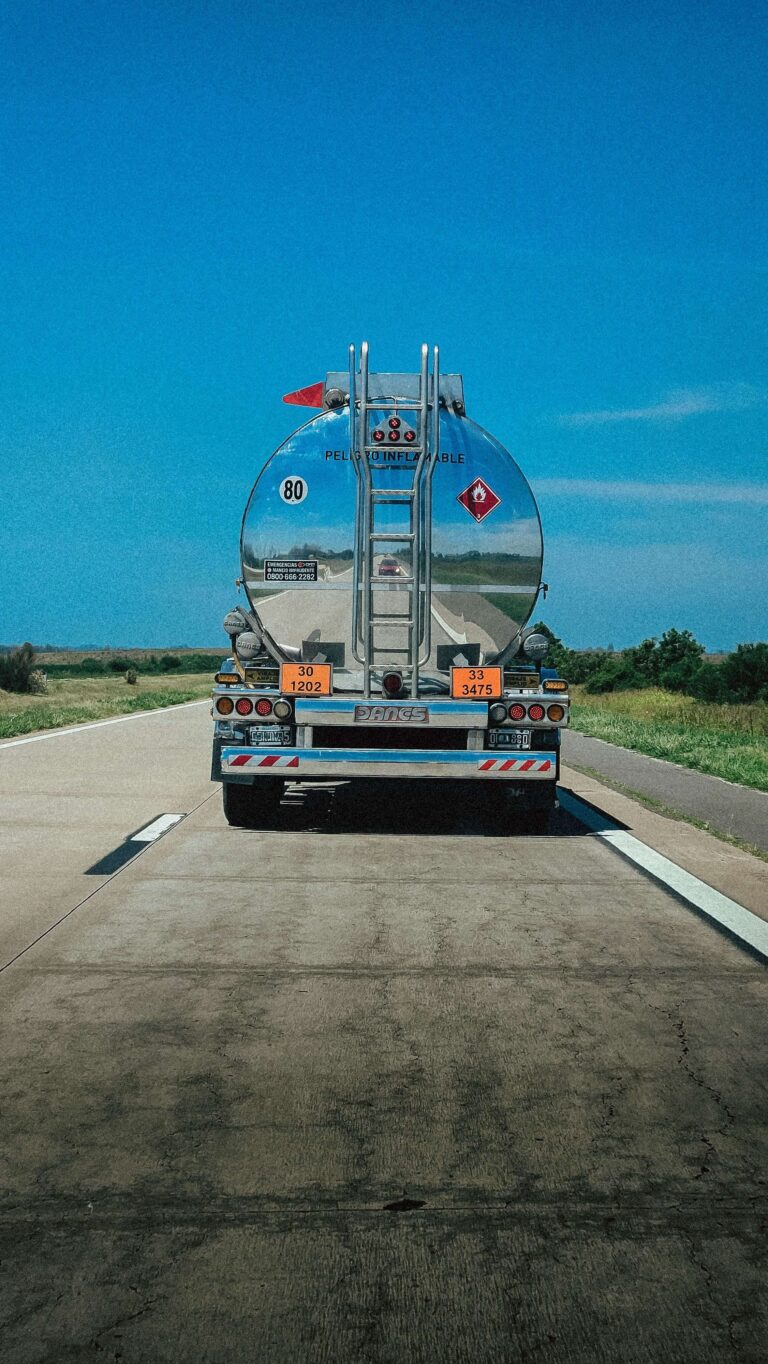
understand UN numbers and hazard labels
prevent incompatible substances from being transported together
minimise environmental risks
comply with UK and international transport legislation
Regular refresher training ensures drivers remain up to date with changing regulations and industry best practice.
Dangerous Goods Safety Starts Before the Journey
Effective dangerous goods safety begins long before a vehicle enters the road network. Every shipment undergoes careful planning to reduce operational risks and improve transport efficiency.
Before departure, ADR drivers confirm that:
documentation is complete and accurate
packaging complies with ADR standards
vehicle safety equipment is present and operational
hazardous goods are correctly labelled
emergency instructions accompany the load
the delivery route avoids unnecessary risks where possible
These checks significantly reduce the likelihood of delays, damage and regulatory breaches.
Common Dangerous Goods Carried by ADR Drivers
Professional ADR drivers transport a wide variety of regulated substances across many industries.
Common examples include:
Industrial chemicals
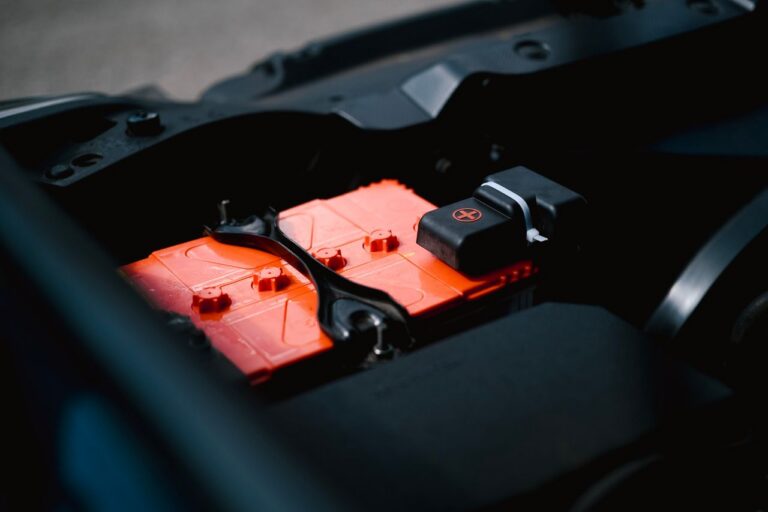
Lithium batteries
Flammable liquids
Paints and solvents
Corrosive acids
Cleaning chemicals
Aerosols
Medical chemicals
Hazardous waste
Laboratory samples
Each category requires different handling procedures, making ADR driver training essential for maintaining dangerous goods safety.
Technology Improves Hazardous Deliveries
Modern ADR transport relies on technology to improve safety and efficiency throughout every journey.
Many operators now use:
GPS vehicle tracking
electronic proof of delivery
route optimisation software
digital compliance records
fleet maintenance systems
real-time communication with drivers
These technologies help reduce delays while supporting full <a href=”https://adr-transport.co.uk/dangerous-goods-transport/”>dangerous goods transport</a> compliance.
Industries That Depend on ADR Drivers
ADR-qualified drivers support businesses across numerous sectors where hazardous materials form part of daily operations.
These industries include manufacturing, pharmaceuticals, healthcare, automotive, waste management, chemical distribution, engineering, construction, laboratories and energy production.
Without qualified ADR drivers, many organisations would be unable to transport regulated goods legally or safely.
How Businesses Benefit from ADR Compliance
Choosing qualified ADR drivers provides more than regulatory compliance. It also improves operational reliability and reduces business risk.
Key benefits include:
safer deliveries
reduced accident risk
legal compliance
improved customer confidence
lower environmental impact
secure handling of hazardous materials
reliable nationwide transport
professional incident management
These advantages make specialist ADR transport an important investment for businesses handling dangerous goods.