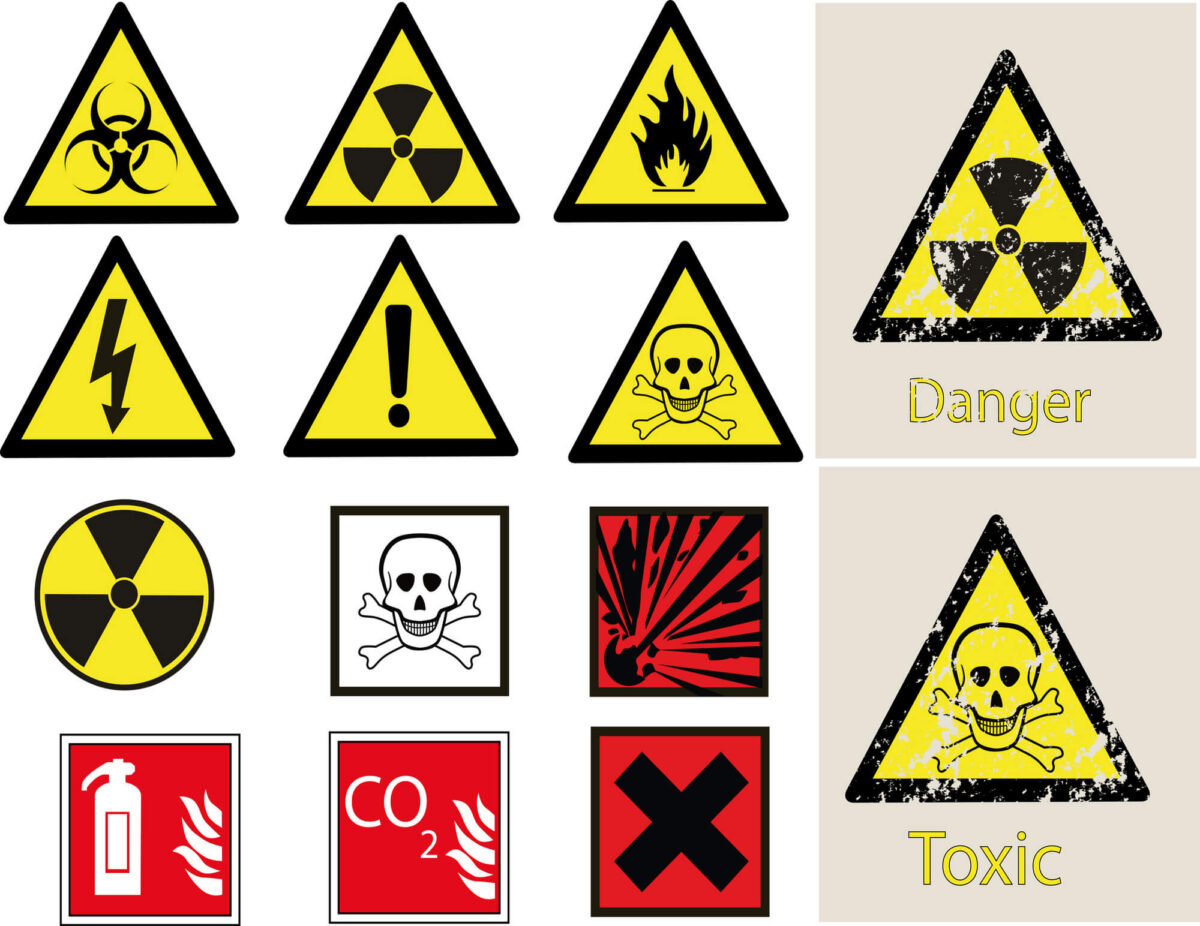
Contact Us

Industries That Require ADR Courier Services

ADR courier services help industries safely transport chemicals, batteries, gases, and hazardous waste that require specialist handling and legal compliance.

Many industries that require ADR courier services depend on specialist transport providers to move hazardous materials safely, legally, and efficiently across the UK. Unlike standard delivery companies, ADR couriers have the training, equipment, and knowledge needed to handle dangerous goods that require strict transportation controls.

Businesses operating in sectors such as chemical manufacturing, healthcare, engineering, automotive, and waste management rely on professional ADR transport services to maintain compliance and protect people, property, and the environment.

ADR courier solutions support companies that transport regulated materials, including chemicals, lithium batteries, gases, flammable substances, and hazardous waste.

What Are ADR Courier Services?

ADR courier services are specialist transportation solutions for dangerous goods classified under ADR regulations. These regulations establish strict requirements for packaging, documentation, vehicle standards, and driver training.

A professional dangerous goods courier understands the risks associated with transporting hazardous materials and follows approved procedures to minimise accidents, contamination, and environmental impact.

Materials commonly transported through ADR courier services include:

  • Chemical substances

  • Flammable liquids

  • Industrial gases

  • Lithium batteries

  • Hazardous waste

  • Corrosive materials

Industries That Require ADR Courier Services

Chemical Manufacturing and Distribution

Chemical manufacturers and industrial suppliers are among the leading industries that require ADR courier services. These businesses often transport substances such as solvents, cleaning chemicals, adhesives, coatings, and industrial liquids.

Because many chemical products can present risks during transportation, companies require trained ADR couriers who understand safe handling procedures, correct packaging requirements, and compliance standards.

Professional ADR transport services help chemical businesses move materials between manufacturers, suppliers, warehouses, and customers while reducing safety risks.

Pharmaceutical and Healthcare Industry

The healthcare and pharmaceutical sectors depend on secure transportation for certain chemicals, laboratory materials, and regulated medical products.

Some healthcare materials require controlled movement because they may have specific handling, packaging, or documentation requirements.

A specialist courier provides the expertise needed to transport these materials safely while helping healthcare organisations maintain regulatory compliance.

Reliable ADR support is especially important for laboratories, medical suppliers, and research facilities where safety and accuracy are essential.

Manufacturing and Engineering Businesses

Manufacturing and engineering companies frequently require ADR courier services for transporting materials used in production processes.

These may include fuels, gases, industrial chemicals, paints, coatings, and other hazardous substances.

Experienced ADR providers support modern industrial logistics by offering compliant transportation solutions that keep supply chains operating efficiently.

Using a trained courier reduces risks associated with incorrect handling and helps businesses meet workplace safety responsibilities.

Automotive and Electric Vehicle Industries

The growth of electric vehicles has increased the need for specialist lithium battery transport solutions.

Automotive manufacturers, battery suppliers, repair centres, and recycling companies may require ADR couriers when transporting damaged, used, or replacement batteries.

Lithium-ion batteries are classified as dangerous goods because they can create fire risks if damaged or transported incorrectly.

A trained dangerous goods courier understands battery classifications, packaging requirements, and safe transport procedures.

Waste Management and Recycling Companies

Waste management businesses often handle hazardous materials that require regulated transportation.

Examples include chemical waste, contaminated materials, electronic components, and used batteries.

ADR courier services allow waste operators to transport these materials safely to approved treatment, recycling, or disposal facilities.

Correct hazardous waste transport also supports environmental compliance and helps businesses meet their legal responsibilities.

Research Laboratories and Universities

Research facilities and universities may work with chemicals, samples, and specialist substances that require controlled transportation.

These organisations need reliable ADR support because incorrect handling could create safety risks or regulatory concerns.

A specialist courier ensures materials are packaged correctly, documented properly, and transported according to ADR requirements.

This allows researchers to focus on their work while leaving complex transport responsibilities to trained professionals.

Why Do Businesses Need ADR Courier Services?

Businesses need ADR courier services because dangerous goods cannot always be transported using traditional delivery methods.

ADR providers offer specialist knowledge, trained drivers, compliant vehicles, and accurate documentation to support safe transportation.

Working with an experienced provider helps businesses:

  • Reduce transportation risks

  • Maintain ADR compliance

  • Protect employees and customers

  • Improve supply chain reliability

  • Handle hazardous materials responsibly

For companies working with regulated goods, choosing the right courier partner is an important part of effective risk management.

How to Choose the Right ADR Courier Provider

Choosing the right ADR courier provider requires businesses to consider experience, driver qualifications, vehicle compliance, and industry knowledge.

A reliable provider should understand different categories of dangerous goods and provide solutions based on each company’s requirements.

Whether transporting chemicals, batteries, industrial materials, or hazardous waste, an experienced ADR courier partner helps businesses maintain safe and compliant operations.

The industries that require ADR courier services continue to expand as businesses handle increasing amounts of regulated materials. Chemical companies, healthcare providers, manufacturers, automotive businesses, laboratories, and recycling organisations all depend on specialist transport solutions.

Using a qualified ADR courier provider helps businesses move dangerous goods safely while maintaining compliance with UK regulations.

With trained drivers, suitable equipment, and expert knowledge of hazardous materials, ADR courier services provide the reliable support needed for modern industrial logistics.

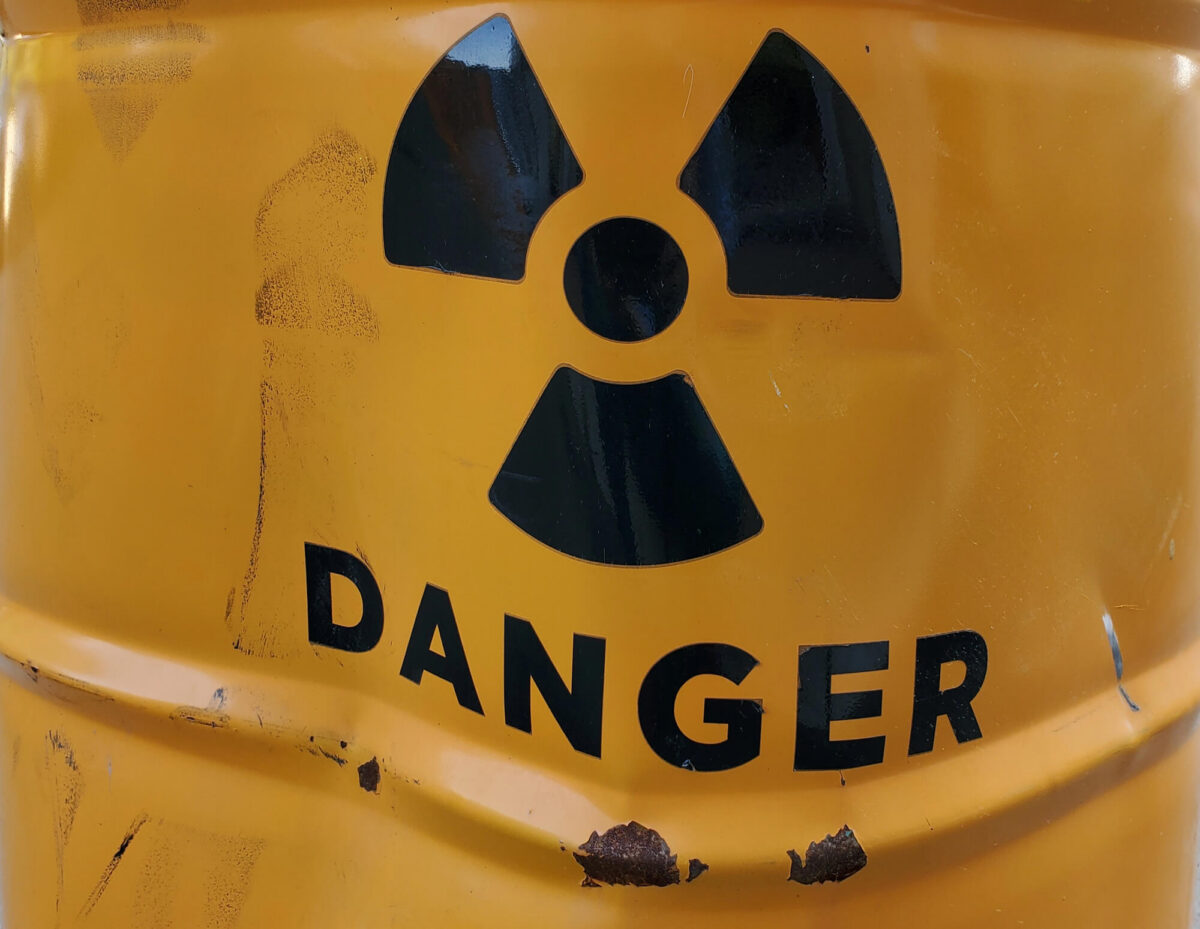
The Difference Between Hazardous Goods and Hazardous Waste

Many businesses mistakenly believe that hazardous goods and hazardous waste mean the same thing. Although both involve materials that can pose risks to people, property, and the environment, they are governed by different regulations and require different handling procedures. Understanding the difference between hazardous goods and hazardous waste helps businesses remain legally compliant, improve workplace safety, and reduce environmental risks. This guide will compare hazardous goods and hazardous waste to make those requirements clear.

Companies involved in manufacturing, construction, healthcare, laboratories, engineering, retail, and waste management frequently encounter dangerous substances. Knowing whether a material is classified as hazardous goods or hazardous waste determines how it must be packaged, transported, stored, documented, and ultimately disposed of.

What Are Hazardous Goods?

Hazardous goods, also known as dangerous goods, are substances or articles capable of causing harm during transport. These materials may present risks such as fire, explosion, corrosion, toxicity, radiation, or environmental damage if they are not handled correctly.

In the UK and across Europe, hazardous goods transported by road are regulated under the ADR Agreement (European Agreement concerning the International Carriage of Dangerous Goods by Road). ADR regulations specify strict requirements for classification, packaging, labelling, vehicle equipment, driver training, and transport documentation.

Examples of hazardous goods include:

  • Petrol and diesel

  • Industrial chemicals

  • Compressed gases

  • Paints and solvents

  • Lithium batteries

  • Aerosols

  • Explosives

  • Corrosive cleaning chemicals

  • Flammable liquids

  • Medical gases

These products often remain valuable because they are still intended for use, sale, storage, or distribution.

What Is Hazardous Waste?

Hazardous waste refers to materials that are no longer wanted and require disposal because they contain properties that could harm human health or the environment. These materials become waste after use, contamination, expiry, damage, or when they are no longer suitable for their original purpose.

Hazardous waste is regulated separately from hazardous goods. In the UK, businesses must comply with environmental legislation covering waste storage, collection, treatment, recycling, recovery, and disposal.

Common hazardous waste includes:

  • Waste chemicals

  • Used paint

  • Waste solvents

  • Contaminated packaging

  • Asbestos

  • Clinical waste

  • Waste oils

  • Batteries awaiting recycling

  • Electronic waste containing hazardous components

  • Fluorescent tubes

Unlike hazardous goods, hazardous waste has reached the end of its intended use and must be managed responsibly.

The Difference Between Hazardous Goods and Hazardous Waste

When considering hazardous goods vs hazardous waste, the main difference lies in their purpose.

Hazardous goods are products being transported because they still have commercial value or are intended for use. Hazardous waste is material that has become unwanted and requires treatment or disposal.

A container of unused industrial solvent delivered to a factory is hazardous goods. The same solvent becomes hazardous waste after use if it is contaminated and needs disposal.

Although the substance itself may remain chemically identical, its legal classification changes depending on its intended use.

Why Correct Classification Matters

Correct classification affects every stage of handling.

Businesses must know whether materials are hazardous goods or hazardous waste before arranging transport. Incorrect classification can result in legal penalties, shipment delays, environmental incidents, and increased health and safety risks.

Correct identification helps organisations:

  • Meet legal obligations

  • Protect employees

  • Reduce environmental impact

  • Improve operational efficiency

  • Avoid costly fines

  • Ensure proper documentation

  • Select suitable transport services

Proper classification also helps emergency responders understand the hazards involved should an accident occur during transport.

Regulations Covering Hazardous Goods

Hazardous goods transported by road in the UK must comply with ADR regulations.

These rules include:

  • Correct UN Number classification

  • Approved packaging

  • Hazard warning labels

  • Vehicle placarding

  • Transport documentation

  • ADR-trained drivers

  • Emergency instructions

  • Load securing requirements

Different hazard classes have different transport requirements depending on the risks they present.

Regulations Covering Hazardous Waste

Hazardous waste follows environmental legislation rather than ADR transport regulations alone.

Businesses generating hazardous waste have responsibilities including:

  • Safe storage

  • Waste classification

  • Appropriate containers

  • Licensed waste carriers

  • Consignment documentation

  • Waste tracking

  • Recycling where possible

  • Disposal at authorised facilities

Some hazardous waste also requires ADR transport because it remains dangerous during transportation. In these cases, both sets of regulations apply simultaneously.

Can Hazardous Waste Also Be Hazardous Goods?

Yes.

Many hazardous waste materials are also classified as hazardous goods during transport because they still present transport risks.

Examples include:

  • Waste chemicals

  • Waste paint

  • Contaminated fuel

  • Used solvents

  • Chemical residues

  • Laboratory waste

  • Waste aerosols

Although these materials are waste, they may still be flammable, toxic, corrosive, or environmentally hazardous while being transported.

This means businesses must comply with both hazardous waste legislation and ADR transport requirements.

Industries That Handle Both

Many industries regularly deal with hazardous goods and hazardous waste.

These include:

  • Chemical manufacturing

  • Pharmaceutical companies

  • Automotive workshops

  • Hospitals

  • Universities

  • Research laboratories

  • Construction companies

  • Waste management providers

  • Engineering firms

  • Industrial cleaning companies

These organisations often receive hazardous goods before generating hazardous waste during production or maintenance activities.

Documentation Requirements

Documentation differs depending on classification.

Hazardous goods normally require:

  • ADR transport documents

  • UN Numbers

  • Proper shipping names

  • Packing group information

  • Emergency instructions

Hazardous waste generally requires:

  • Waste classification

  • Hazard codes

  • Consignment notes

  • Waste transfer records

  • Carrier information

  • Disposal records

Accurate paperwork ensures traceability throughout transport and disposal.

Common Misunderstandings

Several misconceptions confuse. One common mistake is believing every dangerous substance automatically becomes hazardous waste. Materials only become waste when the holder decides to discard them, or they can no longer be used.

Another misunderstanding is assuming hazardous waste does not require ADR transport. Many waste materials still meet dangerous goods classifications during transport and require ADR-compliant vehicles and drivers.

Some businesses also believe ordinary couriers can transport hazardous waste. In reality, specialist carriers are usually required to meet both transport and environmental legislation.

Best Practices for Businesses

Businesses can reduce risks by implementing effective hazardous material management procedures.

Recommended practices include:

  • Identify hazardous materials correctly

  • Separate products from waste

  • Train employees regularly

  • Store materials safely

  • Maintain accurate records

  • Use ADR-compliant transport providers

  • Work with licensed waste carriers

  • Review procedures regularly

  • Follow manufacturer guidance

  • Keep emergency response plans updated

These measures improve compliance while protecting employees, customers, and the environment.

Understanding the difference between hazardous goods and hazardous waste is essential for every business handling dangerous materials. Hazardous goods are products intended for transport and use, while hazardous waste consists of materials that require disposal after they are no longer needed. Although they are regulated differently, some waste materials remain dangerous during transport and must comply with both environmental legislation and ADR requirements.

Correct classification supports legal compliance, improves workplace safety, reduces environmental harm, and ensures dangerous materials are transported and disposed of responsibly. By understanding the differences and working with qualified transport and waste management providers, businesses can confidently meet their legal responsibilities while protecting people and the environment.

How Dangerous Goods Are Classified Before Transport

Dangerous Goods Classification Before Transport

Dangerous goods classification before transport is the process of identifying hazardous substances, assessing their risks, and assigning the correct transport controls before a shipment begins. Using ADR classification, UN classification, and a thorough hazard assessment, businesses determine the correct hazard class, UN number, packing group, packaging, labels, and documentation. Accurate classification protects people, property, and the environment while ensuring compliance with UK and international transport regulations.

How Dangerous Goods Are Classified Before Transport

Dangerous goods are classified before transport by identifying the hazards they present and assigning them to the correct category under ADR classification rules. The classification process begins with a thorough hazard assessment, which evaluates the physical, chemical, health, and environmental risks of a substance or article. Based on these properties, the material is allocated

  • a specific hazard class,

  • a four-digit UN classification number,

  • and, where applicable, a packing group that reflects its level of danger. This information determines the

  • packaging,

  • labelling,

  • documentation,

  • handling,

  • and transport requirements needed for safe and compliant movement. Accurate dangerous goods classification is essential for reducing transport risks, protecting people and the environment, and ensuring compliance with UK and international regulations governing the carriage of hazardous materials.

Why Classification Matters

Every dangerous substance presents different risks during transport. Some are flammable, others are toxic, corrosive, explosive, or environmentally hazardous. Correct classification ensures each material is handled according to its specific hazards, reducing accidents, delays, and legal penalties.

Understanding ADR Classification

ADR classification is the framework used for the carriage of dangerous goods by road across the UK and Europe. It assigns substances to one of nine hazard classes based on their primary danger and sets rules for

  • packaging,

  • labelling,

  • vehicle requirements,

  • segregation,

  • and documentation.

The Nine Hazard Classes

The nine classes cover

  • explosives,

  • gases,

  • flammable liquids,

  • flammable solids,

  • oxidising substances and organic peroxides,

  • toxic and infectious substances,

  • radioactive materials,

  • corrosive substances,

  • and miscellaneous dangerous goods. Each class has unique transport requirements designed to minimise risk.

UN Classification

UN classification provides a globally recognised four-digit UN number for every regulated dangerous good. These identifiers appear on packages and transport documents, allowing everyone in the supply chain to identify the substance quickly and respond appropriately during emergencies.

Hazard Assessment

A hazard assessment evaluates the physical, chemical, health, and environmental properties of a substance. It considers factors such as

  • flammability,

  • toxicity,

  • reactivity,

  • corrosiveness,

  • and environmental impact before assigning the correct classification for safe transport.

Packing Groups

Many dangerous goods are allocated to Packing Groups I, II, or III to indicate high, medium, or low danger. The packing group determines the performance standard required for approved packaging.

Packaging Requirements

ADR-approved packaging is tested to withstand transport conditions including

  • vibration,

  • impact,

  • stacking,

  • and pressure changes. Selecting suitable packaging prevents leaks and protects workers and the environment.

Labels and Markings

Hazard labels provide an immediate visual warning of the risks associated with a shipment. Correct labels, UN numbers, and vehicle markings ensure compliance and improve emergency response.

Transport Documentation

Transport documents must accurately include the

  • proper shipping name,

  • UN number,

  • hazard class,

  • packing group where applicable,

  • quantity,

  • and consignor and consignee details. Accurate paperwork supports legal compliance and efficient deliveries.

Common Mistakes

Frequent errors include

  • selecting the wrong UN number,

  • using outdated Safety Data Sheets,

  • applying incorrect labels,

  • or choosing unsuitable packaging. Regular reviews and staff training reduce these risks.

Best Practice

Businesses should

  • maintain current Safety Data Sheets,

  • verify classifications before every shipment,

  • use trained personnel,

  • and review regulatory updates. Working with experienced ADR specialists helps maintain compliance and improves transport safety.

Dangerous goods classification forms the foundation of safe transport. Through effective ADR classification, accurate UN classification, and a thorough hazard assessment, businesses can ensure hazardous materials are packaged, labelled, documented, and transported safely while meeting legal obligations.

ADR Hazard Classes

Introduction to ADR Hazard Classes

Understanding the ADR hazard classes is essential for anyone involved in the transport of dangerous goods by road. These shipments are often referred to as ADR dangerous goods or dangerous cargo. ADR regulations establish a standard system for identifying hazardous materials and ensuring they are packaged, labelled, documented, handled, and transported safely. Every dangerous substance is assigned to one of nine ADR classifications based on its primary hazard. These dangerous goods categories help businesses comply with legal requirements, reduce transport risks, and protect drivers, emergency responders, the public, and the environment. In this guide, you’ll find the ADR hazard classes explained with practical examples used across the UK and Europe.

Understanding ADR Regulations

ADR, short for the European Agreement concerning the International Carriage of Dangerous Goods by Road, provides a consistent framework used throughout the UK and Europe. The regulations determine how hazardous materials must be transported to minimise the risk of accidents, environmental damage, and injury. This framework also standardises the movement of ADR dangerous goods across borders. Whether transporting chemicals, fuels, gases, batteries, or medical substances, understanding the correct hazard class is the first step towards full compliance with ADR regulations.

ADR Hazard Classes

The nine ADR hazard classes are categories that identify the primary danger presented by a substance or article during transport. Each class has specific packaging requirements, hazard labels, transport documentation, vehicle equipment, and emergency procedures. Correct classification helps everyone involved in the supply chain understand the risks and apply the appropriate safety measures.

Class 1 — Explosives

Class 1 includes explosives capable of producing a sudden release of gas and energy through a chemical reaction. These materials present significant risks from blast pressure, flying debris, heat, and fire. Examples include industrial explosives, detonators, ammunition, pyrotechnics, and fireworks. Because of their potential impact, these products require strict transport controls, specialist packaging, approved vehicles, enhanced security measures, and ADR-trained drivers.

Class 2 — Gases

Class 2 covers compressed, liquefied, dissolved, and refrigerated gases. These substances are divided into flammable gases, non-flammable non-toxic gases, and toxic gases. Common examples include propane, butane, oxygen, nitrogen, helium, carbon dioxide, chlorine, and acetylene. Gas cylinders and tanks must be inspected regularly, secured correctly, and protected against excessive heat and physical damage to prevent leaks or pressure-related incidents.

Class 3 — Flammable Liquids

Flammable liquids generate vapours that can ignite when exposed to sparks, flames, or high temperatures. Petrol, diesel, ethanol, acetone, paints, solvents, and certain adhesives are among the most frequently transported Class 3 products. Safe transport requires approved packaging, proper sealing, ignition control measures, adequate ventilation, and suitable fire-fighting equipment. Even a small spill can create a serious fire hazard if handled incorrectly.

Class 4 — Flammable Solids

Class 4 includes flammable solids, self-reactive substances, and materials that become dangerous when they come into contact with water. Some products ignite easily through friction, while others generate flammable gases when exposed to moisture. Examples include sulphur, magnesium powder, phosphorus, sodium, and certain metal powders. Appropriate storage conditions and segregation from incompatible substances are essential to minimise transport risks.

Class 5 — Oxidising Substances and Organic Peroxides

Class 5 consists of oxidising substances and organic peroxides that may intensify fires or decompose violently under certain conditions. Although oxidising agents are not always combustible themselves, they supply oxygen that accelerates combustion. Examples include hydrogen peroxide, ammonium nitrate, sodium chlorate, and industrial curing agents. These materials should always be transported separately from combustible products and protected from excessive heat.

Class 6 — Toxic and Infectious Substances

Class 6 covers substances that may cause serious harm or death if inhaled, swallowed, or absorbed through the skin, together with infectious materials containing harmful microorganisms. Examples include pesticides, toxic chemicals, medical waste, laboratory samples, and infectious biological specimens. Secure packaging, clear hazard communication, and strict handling procedures reduce the risk of exposure during transport and unloading.

Class 7 — Radioactive Materials

Radioactive materials emit ionising radiation that requires specialist transport controls. Medical isotopes, industrial radiography equipment, research materials, and nuclear industry products are all included within Class 7. Shipments must use certified packaging designed to shield radiation and protect the contents during transport. Drivers and transport operators must follow detailed safety procedures to ensure exposure remains within legal limits.

Class 8 — Corrosive Substances

Class 8 includes substances capable of causing severe burns to skin, damaging metals, or harming the environment if released. Common examples include sulphuric acid, hydrochloric acid, nitric acid, sodium hydroxide, and battery acid. Leak-proof containers, corrosion-resistant packaging, personal protective equipment, and emergency spill procedures help prevent injuries and minimise environmental contamination.

Class 9 — Miscellaneous Dangerous Goods

Class 9 includes hazardous materials that do not fit into the previous classes but still present significant transport risks. This category covers lithium batteries, dry ice, environmentally hazardous substances, asbestos, genetically modified organisms, and certain safety devices such as airbags. Although classified as miscellaneous, these products remain subject to ADR regulations and require appropriate packaging, documentation, marking, and handling procedures.

Why Correct ADR Classification Matters

Accurate classification is one of the most important aspects of dangerous goods transport. Assigning the correct ADR hazard class determines the appropriate UN number, packaging instructions, hazard labels, vehicle placards, transport documentation, segregation requirements, emergency information, and driver training obligations. It also underpins safe planning for ADR dangerous goods throughout the supply chain. Misclassification can lead to shipment delays, regulatory penalties, increased safety risks, environmental damage, and potential legal consequences.

Best Practices for ADR Compliance

Businesses involved in transporting dangerous goods should regularly review their procedures, ensure staff receive appropriate ADR awareness training, and verify that all documentation remains accurate before every journey. Maintaining compliance with ADR regulations not only protects employees and the public but also improves operational efficiency and reduces the likelihood of costly incidents.

Understanding the ADR hazard classes provides the foundation for the safe and compliant transport of hazardous materials throughout the UK and Europe. Each of the nine ADR classifications identifies a specific type of hazard and establishes the safety requirements for packaging, labelling, documentation, handling, and transport. By correctly identifying these dangerous goods categories and following current ADR regulations, businesses can reduce transport risks, meet legal obligations, protect the environment, and ensure hazardous materials and ADR dangerous goods are delivered safely and responsibly.

What Counts as Dangerous Goods Under ADR?

Introduction to the 9 ADR Hazard Classes

Understanding the 9 ADR hazard classes (often shortened to the 9 adr hazard classes) is essential for anyone involved in the transport of dangerous goods by road. ADR regulations establish a standard system for identifying hazardous materials and ensuring they are packaged, labelled, documented, handled, and transported safely. Every dangerous substance is assigned to one of nine ADR classifications (dangerous goods categories) based on its primary hazard. These dangerous goods categories help businesses comply with legal requirements, reduce transport risks, and protect drivers, emergency responders, the public, and the environment.

Understanding ADR Regulations

ADR, short for the European Agreement concerning the International Carriage of Dangerous Goods by Road, provides a consistent framework used throughout the UK and Europe. The regulations determine how hazardous materials must be transported to minimise the risk of accidents, environmental damage, and injury. Whether transporting chemicals, fuels, gases, batteries, or medical substances, understanding the correct hazard class is the first step towards full compliance with ADR regulations.

The 9 ADR Hazard Classes Explained

The nine ADR hazard classes are categories that identify the primary danger presented by a substance or article during transport. Each class has specific packaging requirements, hazard labels, transport documentation, vehicle equipment, and emergency procedures. Correct classification helps everyone involved in the supply chain understand the risks and apply the appropriate safety measures. In brief, this guide provides the 9 adr hazard classes explained with practical examples and notes on compliance with adr regulations.

Class 1 — Explosives

Class 1 includes explosives capable of producing a sudden release of gas and energy through a chemical reaction. These materials present significant risks from blast pressure, flying debris, heat, and fire. Examples include industrial explosives, detonators, ammunition, pyrotechnics, and fireworks. Because of their potential impact, these products require strict transport controls, specialist packaging, approved vehicles, enhanced security measures, and ADR-trained drivers.

Class 2 — Gases

Class 2 covers compressed, liquefied, dissolved, and refrigerated gases. These substances are divided into flammable gases, non-flammable non-toxic gases, and toxic gases. Common examples include propane, butane, oxygen, nitrogen, helium, carbon dioxide, chlorine, and acetylene. Gas cylinders and tanks must be inspected regularly, secured correctly, and protected against excessive heat and physical damage to prevent leaks or pressure-related incidents.

Class 3 — Flammable Liquids

Flammable liquids generate vapours that can ignite when exposed to sparks, flames, or high temperatures. Petrol, diesel, ethanol, acetone, paints, solvents, and certain adhesives are among the most frequently transported Class 3 products. Safe transport requires approved packaging, proper sealing, ignition control measures, adequate ventilation, and suitable fire-fighting equipment. Even a small spill can create a serious fire hazard if handled incorrectly.

Class 4 — Flammable Solids

Class 4 includes flammable solids, self-reactive substances, and materials that become dangerous when they come into contact with water. Some products ignite easily through friction, while others generate flammable gases when exposed to moisture. Examples include sulphur, magnesium powder, phosphorus, sodium, and certain metal powders. Appropriate storage conditions and segregation from incompatible substances are essential to minimise transport risks.

Class 5 — Oxidising Substances and Organic Peroxides

Class 5 consists of oxidising substances and organic peroxides that may intensify fires or decompose violently under certain conditions. Although oxidising agents are not always combustible themselves, they supply oxygen that accelerates combustion. Examples include hydrogen peroxide, ammonium nitrate, sodium chlorate, and industrial curing agents. These materials should always be transported separately from combustible products and protected from excessive heat.

Class 6 — Toxic and Infectious Substances

Class 6 covers substances that may cause serious harm or death if inhaled, swallowed, or absorbed through the skin, together with infectious materials containing harmful microorganisms. Examples include pesticides, toxic chemicals, medical waste, laboratory samples, and infectious biological specimens. Secure packaging, clear hazard communication, and strict handling procedures reduce the risk of exposure during transport and unloading.

Class 7 — Radioactive Materials

Radioactive materials emit ionising radiation that requires specialist transport controls. Medical isotopes, industrial radiography equipment, research materials, and nuclear industry products are all included within Class 7. Shipments must use certified packaging designed to shield radiation and protect the contents during transport. Drivers and transport operators must follow detailed safety procedures to ensure exposure remains within legal limits.

Class 8 — Corrosive Substances

Class 8 includes substances capable of causing severe burns to skin, damaging metals, or harming the environment if released. Common examples include sulphuric acid, hydrochloric acid, nitric acid, sodium hydroxide, and battery acid. Leak-proof containers, corrosion-resistant packaging, personal protective equipment, and emergency spill procedures help prevent injuries and minimise environmental contamination.

Class 9 — Miscellaneous Dangerous Goods

Class 9 includes hazardous materials that do not fit into the previous classes but still present significant transport risks. This category covers lithium batteries, dry ice, environmentally hazardous substances, asbestos, genetically modified organisms, and certain safety devices such as airbags. Although classified as miscellaneous, these products remain subject to ADR regulations and require appropriate packaging, documentation, marking, and handling procedures.

Why Correct ADR Classification Matters

Accurate classification is one of the most important aspects of dangerous goods transport. Assigning the correct ADR hazard class determines the appropriate UN number, packaging instructions, hazard labels, vehicle placards, transport documentation, segregation requirements, emergency information, and driver training obligations. Misclassification can lead to shipment delays, regulatory penalties, increased safety risks, environmental damage, and potential legal consequences.

Best Practices for ADR Compliance

Businesses involved in transporting dangerous goods should regularly review their procedures, ensure staff receive appropriate ADR awareness training, and verify that all documentation remains accurate before every journey. Maintaining compliance with ADR regulations not only protects employees and the public but also improves operational efficiency and reduces the likelihood of costly incidents.

Understanding the 9 ADR hazard classes provides the foundation for the safe and compliant transport of hazardous materials throughout the UK and Europe. Each of the nine ADR classifications identifies a specific type of hazard and establishes the safety requirements for packaging, labelling, documentation, handling, and transport. By correctly identifying these dangerous goods categories and following current ADR regulations, businesses can reduce transport risks, meet legal obligations, protect the environment, and ensure hazardous materials are delivered safely and responsibly.

How Dangerous Goods Are Safely Transported Across the UK

Understanding How Dangerous Goods Are Safely Transported Across the UK

Dangerous goods are safely transported across the UK by following strict ADR regulations, using compliant vehicles, approved packaging, qualified drivers and detailed transport procedures. 

  • following strict ADR regulations,

  • using compliant vehicles,

  • approved packaging,

  • qualified drivers

  • and detailed transport procedures.

Every stage of the journey is carefully planned to reduce risk, protect people and the environment, and ensure hazardous materials arrive safely, securely and in full compliance with UK legislation. Whether transporting chemicals, fuels, gases, batteries or other regulated substances, businesses must meet legal requirements designed to maintain safety throughout the supply chain.

How Dangerous Goods Are Safely Transported Across the UK

Dangerous goods are safely transported across the UK by following strict ADR regulations that govern how hazardous materials are:

  • classified,

  • packaged,

  • labelled,

  • documented

  • and carried by road.

Every shipment is handled by trained professionals using compliant vehicles, approved packaging and detailed safety procedures to minimise risks throughout the journey. Careful route planning, accurate documentation and regular vehicle inspections further ensure that dangerous goods reach their destination safely while protecting people, property and the environment and maintaining full legal compliance.

  • Careful route planning,

  • accurate documentation

  • and regular vehicle inspections further ensure that dangerous goods reach their destination safely while protecting people, property and the environment and maintaining full legal compliance.

ADR Regulations Provide the Legal Framework

ADR legislation provides the legal framework for transporting dangerous goods by road across the UK and Europe. These regulations establish how hazardous materials must be:

  • classified,

  • packaged,

  • labelled,

  • documented

  • and handled before they can be transported.

Every shipment is assigned a hazard class and UN number to identify the risks involved, allowing carriers, warehouse staff and emergency responders to take the correct precautions. Following ADR requirements helps businesses remain compliant while reducing the likelihood of accidents, environmental damage and costly delays.

Correct Classification Reduces Transport Risks

Correct classification is one of the most important steps before dangerous goods are moved. Each substance has unique physical and chemical properties that determine how it should be packaged, labelled and transported. Incorrect classification can result in unsuitable handling procedures, increasing the risk of leaks, fires, contamination or legal penalties. Accurate identification ensures every shipment receives the correct level of protection throughout its journey.

Approved Packaging Protects Dangerous Goods

Packaging plays a critical role in preventing incidents during transport. Dangerous goods must be placed in UN-approved containers that have been tested for:

  • durability,

  • leak resistance

  • and impact protection.

Packaging must remain secure during loading, unloading and transit while protecting the contents from damage caused by:

  • vibration,

  • weather conditions

  • or normal road movement.

Clear:

  • hazard labels,

  • handling instructions

  • and transport markings

allow everyone involved in the logistics process to identify potential hazards immediately and handle consignments safely.

ADR Qualified Drivers Ensure Safe Transport

Professional drivers are equally important in maintaining transport safety. Drivers carrying regulated dangerous goods must hold a valid ADR Driver Training Certificate and understand the legal responsibilities associated with transporting hazardous materials. Their training covers:

  • load security,

  • emergency procedures,

  • vehicle inspections,

  • safe handling practices

  • and the correct completion of transport documentation.

Businesses that use an ADR courier benefit from experienced professionals who understand current legislation and apply best practice throughout every delivery.

ADR Transport UK Uses Specialist Vehicles

Vehicles used for ADR transport UK operations are equipped to meet strict safety standards. Depending on the type of dangerous goods being carried, vehicles may contain:

  • fire extinguishers,

  • spill response equipment,

  • wheel chocks,

  • warning signs

  • and personal protective equipment.

Regular inspections ensure vehicles remain roadworthy and suitable for transporting hazardous materials. Many transport operators also use GPS tracking and route monitoring to improve efficiency, increase security and provide customers with accurate delivery updates.

Hazardous Goods Logistics Depend on Accurate Documentation

Accurate documentation is essential for every dangerous goods shipment. Transport documents include:

  • the proper shipping name,

  • UN number,

  • hazard class,

  • packing group

  • and emergency response information.

Drivers must carry these documents throughout the journey so that enforcement officers and emergency services can quickly identify the materials being transported if an incident occurs. Complete documentation also supports regulatory compliance and helps businesses demonstrate that every shipment has been prepared correctly.

Journey Planning Improves Hazardous Goods Logistics

Effective hazardous goods logistics relies on careful planning before any vehicle leaves the depot. Transport providers assess:

  • delivery routes,

  • road restrictions,

  • weather conditions,

  • collection schedules

  • and potential hazards

to minimise risk during transit. Loads are checked to ensure they are:

  • correctly secured

  • and evenly distributed, reducing movement that could compromise packaging or vehicle stability.

Careful route planning also helps avoid unnecessary delays while improving overall transport efficiency.

Continuous Safety Monitoring During Transport

Safety does not end once a vehicle is on the road. Throughout the journey, drivers remain alert to changing road conditions, traffic incidents and weather that could affect safe transport. Vehicles undergo:

  • routine maintenance,

  • and transport companies regularly review their operational procedures to ensure they continue meeting current ADR requirements.

  • Ongoing staff training

  • and continuous compliance monitoring help maintain high safety standards while supporting reliable nationwide transport services.

Choosing an Experienced ADR Transport Provider

Businesses transporting dangerous goods also benefit from working closely with experienced logistics providers that understand changing legislation and industry requirements. Specialist transport companies invest in:

  • qualified personnel,

  • modern vehicles

  • and robust compliance procedures

to ensure every shipment is handled professionally. Their expertise helps reduce operational risks, improve delivery reliability and protect businesses from the financial consequences of non-compliance.

Safe transport depends on every part of the process working together. Accurate classification, compliant packaging, qualified drivers, specialist vehicles, complete documentation and thorough journey planning all contribute to moving hazardous materials safely across the country. By following ADR regulations and maintaining high operational standards, businesses can transport dangerous goods across the UK with confidence while protecting employees, customers, communities and the environment.

How to Choose an ADR Transport Company

Choosing the right ADR transport company is essential for businesses that need to move dangerous goods safely, legally, and efficiently. Understanding how to choose an ADR transport company helps reduce compliance risks, protect employees, prevent costly delays, and ensure hazardous materials arrive securely. Whether you ship chemicals, lithium batteries, flammable liquids, aerosols, paints, gases, or other regulated products, selecting an experienced provider with proven expertise in dangerous goods logistics is critical to maintaining safe and reliable operations.

How to Choose an ADR Transport Company

Choosing an ADR transport company involves more than comparing prices. To choose the right provider, businesses should evaluate ADR qualifications, safety standards, vehicle compliance, experience with specific dangerous goods, documentation support, insurance coverage, and customer reliability. The best provider combines ADR-qualified staff, compliant vehicles, strong safety procedures, industry experience, accurate documentation, reliable customer support, and a proven commitment to dangerous goods transport. A trusted ADR courier helps businesses remain compliant while ensuring every shipment is handled safely, efficiently, and delivered on time. Selecting a specialist transport partner with proven expertise in dangerous goods logistics reduces risks, prevents compliance issues, and provides confidence that hazardous materials are managed according to ADR regulations.

What Is an ADR Transport Company?

An ADR transport company specialises in the road transport of dangerous goods in accordance with the European Agreement concerning the International Carriage of Dangerous Goods by Road (ADR). These companies are trained to transport hazardous materials safely while complying with strict legal requirements covering packaging, labelling, vehicle standards, documentation, loading procedures, and emergency response. Working with an experienced ADR delivery company reduces operational risks and provides confidence that every shipment meets current transport regulations.

Check ADR Qualifications and Industry Experience

One of the first factors to consider is whether the transport provider employs ADR-trained drivers and experienced logistics professionals. ADR-qualified personnel understand how to transport hazardous goods safely, identify potential risks, follow emergency procedures, and comply with legal obligations throughout the transport process.

Industry experience is equally important. Companies that regularly transport your type of dangerous goods are more familiar with the specific handling requirements, packaging instructions, segregation rules, and loading methods associated with different ADR classes. This specialist knowledge helps reduce errors, improve efficiency, and minimise transport disruptions.

Evaluate Safety Standards and Compliance

Safety should always be the highest priority when selecting an ADR transport company. Reliable providers operate comprehensive health and safety systems supported by regular vehicle inspections, preventative maintenance programmes, documented risk assessments, and ongoing compliance monitoring.

A strong safety culture demonstrates that compliance is embedded throughout the business rather than simply meeting minimum legal requirements. Companies that invest in continuous staff training and operational improvements are generally better prepared to manage hazardous goods transport safely under varying conditions.

Assess Vehicle Fleet and Transport Capability

The quality of the transport fleet directly affects both safety and reliability. Vehicles used for dangerous goods transport should be maintained to a high standard and equipped with the appropriate safety equipment required for ADR operations. Depending on the products being transported, this may include fire extinguishers, spill response equipment, warning signage, load restraint systems, and emergency protective equipment.

Modern fleet management systems also improve operational performance by providing real-time vehicle tracking, planned maintenance schedules, route optimisation, and faster responses to unexpected transport issues. These technologies help improve delivery reliability while supporting greater transparency throughout the transport process.

Review Documentation and Regulatory Knowledge

Accurate documentation plays a vital role in every dangerous goods shipment. A competent ADR transport company should have thorough knowledge of transport documentation requirements and ensure paperwork is completed correctly before collection.

Depending on the shipment, documentation may include dangerous goods transport documents, UN numbers, proper shipping names, packing group information, emergency instructions, and any additional regulatory paperwork required for specific products. Correct documentation reduces delays, supports regulatory compliance, and provides essential information should an emergency occur during transport.

Consider Customer Service and Communication

Effective communication is often overlooked but remains an important indicator of service quality. A professional ADR delivery company should provide clear communication throughout every stage of the transport process, including collection scheduling, shipment updates, delivery confirmation, and rapid responses to customer enquiries.

Dedicated customer support becomes particularly valuable when managing urgent consignments, regulatory questions, or unexpected delivery changes. Businesses that transport dangerous goods regularly often benefit from developing long-term relationships with transport providers who understand their operational requirements and can provide consistent service standards.

Verify Insurance and Risk Management

Transporting dangerous goods carries greater responsibility than standard freight, making comprehensive insurance cover an essential consideration. A reputable ADR transport company should hold appropriate insurance that reflects the nature of hazardous goods transport and protects customers against potential losses arising from incidents during transit.

Strong risk management procedures also demonstrate the provider’s commitment to safety. Emergency response planning, incident reporting processes, driver training, and continuous operational reviews all contribute to reducing transport risks and improving overall service quality.

Compare Value Instead of Lowest Price

Although transport costs influence purchasing decisions, choosing the lowest quotation rarely delivers the best long-term value. Lower-priced providers may compromise on training, compliance systems, vehicle maintenance, customer service, or operational resources. These shortcomings can result in delayed deliveries, regulatory breaches, damaged goods, or increased business risk.

Instead, compare providers based on their safety performance, compliance record, industry reputation, delivery reliability, specialist experience, and overall service quality. Investing in an experienced ADR courier often reduces operational costs over time by preventing avoidable disruptions and ensuring hazardous goods are transported the first time correctly.

Why Specialist Dangerous Goods Logistics Matter

Dangerous goods logistics requires significantly higher standards than conventional freight transport. Every shipment must comply with regulations covering classification, packaging, labelling, documentation, vehicle suitability, driver competence, loading practices, and emergency preparedness. Failure to meet these requirements can result in legal penalties, shipment delays, environmental harm, and increased safety risks.

Choosing an experienced ADR transport company provides businesses with specialist expertise that supports regulatory compliance while protecting employees, customers, the public, and the environment. Professional transport partners understand the complexities of hazardous goods movement and continuously adapt their procedures to meet evolving industry standards.

Understanding how to choose an ADR transport company enables businesses to make informed decisions that improve safety, maintain compliance, and strengthen supply chain reliability. The most dependable providers combine qualified personnel, modern vehicles, comprehensive safety procedures, accurate documentation, responsive customer support, and extensive experience in dangerous goods logistics. Rather than focusing solely on transport costs, businesses should prioritise expertise, compliance, and reliability. Partnering with a trusted ADR delivery company helps ensure dangerous goods are transported safely, efficiently, and in accordance with all applicable ADR regulations, protecting both your business and every shipment from collection to final delivery.

Common ADR Documentation Explained

What Is ADR Documentation?

ADR documentation is the collection of legally required transport documentation and related dangerous goods documents that accompany dangerous goods during road transport under the European Agreement concerning the International Carriage of Dangerous Goods by Road (ADR). These documents identify the hazardous materials being transported, explain their associated risks and provide the information needed by drivers, carriers, emergency responders and enforcement authorities. Accurate ADR documentation is essential for maintaining legal compliance, protecting public safety and ensuring dangerous goods move efficiently throughout the supply chain. Incorrect or incomplete documentation can result in transport delays, financial penalties, rejected consignments and increased risks during emergencies.

Why ADR Documentation Is Essential

Every business involved in transporting hazardous materials has a legal responsibility to prepare complete and accurate ADR paperwork before a vehicle leaves the site. The documentation serves as a communication tool between consignors, carriers, drivers, receivers and emergency services, ensuring everyone understands the nature of the load and the precautions required during transport. Well-prepared dangerous goods documents also reduce the likelihood of administrative errors and demonstrate compliance during roadside inspections.

Dangerous Goods Transport Document

The Dangerous Goods Transport Document is the most important piece of transport documentation required under ADR regulations. It contains detailed information about every hazardous substance being transported, allowing authorities and emergency responders to identify the load quickly if an incident occurs. The document normally includes the UN number, Proper Shipping Name, hazard class, packing group where applicable, quantity of goods, package description, tunnel restriction code when required and the names and addresses of both the consignor and consignee. Every entry must be accurate and presented in the correct ADR format to ensure compliance with current regulations.

Instructions in Writing

Instructions in Writing are another essential requirement for ADR transport operations. These standardised emergency instructions must be carried inside the vehicle and be readily accessible to the driver throughout the journey. They explain the immediate actions to take following an accident, fire, leak or spill and include guidance on using personal protective equipment, warning equipment and fire extinguishers. Drivers should familiarise themselves with these instructions before every journey so they can respond quickly and safely during an emergency.

ADR Driver Training Certificate

Drivers transporting dangerous goods above ADR exemption limits must hold a valid ADR Driver Training Certificate. This qualification confirms that the driver has completed approved training covering dangerous goods legislation, hazard awareness, emergency procedures and safe transport practices. Keeping the certificate valid is essential for legal compliance and demonstrates that the driver has the knowledge required to transport hazardous materials responsibly.

ADR Vehicle Approval Certificate

Certain vehicles used for transporting dangerous goods also require an ADR Vehicle Approval Certificate. This document confirms that the vehicle has been inspected and complies with the construction, equipment and safety standards specified within ADR regulations. Enforcement officers may request the certificate during roadside inspections, making it an important part of the transport documentation carried for applicable vehicles.

Safety Data Sheets

Safety Data Sheets are not always mandatory transport documents under ADR, but they provide valuable technical information about hazardous substances. They include details on safe handling, storage requirements, health hazards, first aid measures, firefighting advice, accidental release procedures and environmental precautions. Many organisations include Safety Data Sheets alongside their ADR paperwork because they support safe operations and provide additional information should an emergency occur during transport.

How to Prepare Accurate ADR Documentation

Preparing accurate dangerous goods documents and transport documentation begins with correctly classifying the substance being transported. Businesses must identify the correct UN number, Proper Shipping Name, hazard class and packing group before completing any transport documentation. Errors made during classification often lead to incorrect paperwork, which increases the risk of non-compliance and transport delays. Verifying shipment information before dispatch helps prevent mistakes and ensures every document reflects the contents of the load accurately.

Best Practices for Managing ADR Paperwork

Maintaining organised ADR documentation also supports efficient business operations. Standardised document templates, digital record management systems and regular compliance checks reduce administrative errors and improve consistency across multiple shipments. Businesses that review their ADR paperwork before every dispatch are more likely to pass inspections, avoid enforcement action and maintain reliable delivery schedules.

The Importance of ADR Training

Staff training plays a significant role in maintaining accurate transport documentation. Employees responsible for preparing dangerous goods documents should receive regular training to remain up to date with changes to ADR regulations and transport documentation requirements. Ongoing competence helps organisations minimise documentation errors, improve compliance and strengthen overall transport safety.

Common ADR Documentation Explained

This covers the essential paperwork required to transport dangerous goods safely and legally by road. Accurate ADR documentation, including transport documentation, driver certificates and emergency instructions, ensures compliance with ADR regulations, supports emergency response and helps businesses avoid delays, penalties and unnecessary transport risks.

ADR documentation is far more than an administrative requirement. It provides essential safety information, supports emergency response, protects drivers and the public and ensures dangerous goods can be transported legally across national and international road networks. By producing accurate ADR paperwork, maintaining complete dangerous goods documents and regularly reviewing transport documentation before every shipment, businesses can reduce operational risks, improve regulatory compliance and create a safer, more efficient dangerous goods transport process.

Same-Day ADR Courier Services Explained

What Are Same-Day ADR Courier Services?

Same-day ADR courier services are designed to transport dangerous goods that must reach their destination on the day they are collected. The term ADR refers to the regulations governing the carriage of dangerous goods by road, ensuring hazardous materials are transported safely and consistently. In short, this is same-day ADR courier services explained for organisations that need compliance and speed on the same day. Specialist couriers operate under these regulations by using ADR-certified drivers, compliant vehicles and approved transport procedures. Every shipment is assessed before collection to confirm that the packaging, labels and documentation meet legal requirements before the vehicle leaves the collection point.

Same-Day ADR Courier Services Explained

Same-day ADR courier services provide a fast, compliant and reliable solution for transporting dangerous goods across the UK. Businesses that need hazardous materials delivered without delay depend on specialist ADR couriers to ensure every shipment is handled safely and in accordance with current transport legislation. Whether moving lithium batteries, chemicals, flammable liquids, aerosols or other regulated products, same-day ADR delivery combines speed with legal compliance to protect people, property and the environment. Unlike standard courier services, ADR transport is specifically designed for hazardous goods that require trained drivers, approved vehicles and strict safety procedures throughout the journey.

Why Businesses Choose Urgent ADR Delivery

Businesses choose urgent ADR delivery when delays could interrupt operations, create safety concerns or affect customer commitments.

  • Manufacturing facilities often rely on the rapid transport of chemicals and industrial products to avoid production downtime.

  • Healthcare providers may require urgent movement of laboratory samples or regulated medical materials, while engineering and construction companies frequently need hazardous substances delivered quickly to maintain project schedules.

  • A dedicated same-day ADR courier reduces waiting times by collecting goods immediately and transporting them directly to their destination without passing through regional sorting centres.

How Same-Day ADR Transport Works

Every same-day ADR shipment follows a structured process that prioritises safety and compliance.

  1. Before transport begins, the consignment is inspected to confirm the packaging is suitable, hazard labels are clearly displayed and transport documentation is complete.

  2. The driver verifies that the load complies with ADR regulations before securing the goods inside a specialist vehicle equipped to carry dangerous materials.

  3. Direct transport reduces unnecessary handling, minimises the likelihood of damage and improves delivery efficiency while maintaining full compliance with legal requirements.

These ADR logistics checks and direct routing help ensure a safe, efficient journey.

Why ADR Compliance Is Essential

ADR compliance is essential because dangerous goods present risks if they are transported incorrectly. Flammable substances, corrosive chemicals, toxic materials, gases under pressure and environmentally hazardous products all require specific handling procedures. Transport regulations define how these materials must be packaged, labelled, documented and carried to reduce the risk of accidents during transit. Failure to comply with these requirements can result in delays, financial penalties, damaged goods and increased safety risks. Working with an experienced ADR courier helps businesses meet these obligations while maintaining a dependable supply chain.

Types of Dangerous Goods an ADR Courier Can Transport

A professional ADR courier can transport a wide range of dangerous goods across multiple ADR classes. Common consignments include lithium batteries, paints, solvents, adhesives, aerosols, compressed gases, fuel additives, cleaning chemicals, laboratory materials and industrial maintenance products. Each shipment is reviewed individually because transport requirements vary depending on the classification, quantity and packaging of the goods being moved. This careful assessment ensures every delivery complies with current legislation and reaches its destination safely.

The Role of ADR Logistics in Fast Deliveries

Modern ADR logistics play a vital role in helping businesses manage time-sensitive deliveries. Specialist transport providers combine route planning, compliance checks and dedicated vehicles to move hazardous goods efficiently across the country. Unlike shared courier networks, same-day ADR transport usually operates as a dedicated delivery service, allowing consignments to travel directly from collection to destination. This approach reduces transit times, lowers the risk of delays and provides greater control over urgent shipments.

Benefits of Using an Express Dangerous Goods Courier

  • An express dangerous goods courier offers significant advantages for organisations that regularly transport hazardous materials.

  • Dedicated vehicles reduce handling, helping to protect sensitive products from damage while improving delivery reliability.

  • Qualified ADR drivers understand emergency procedures, vehicle safety requirements and dangerous goods regulations, giving businesses confidence that every shipment is transported professionally.

  • This expertise allows organisations to focus on their operations while knowing their hazardous materials are being managed by trained specialists.

Industries That Depend on Same-Day ADR Courier Services

  • Many industries rely on same-day ADR courier services to support daily operations.

  • Chemical manufacturers require dependable transport for raw materials and finished products, while pharmaceutical companies depend on compliant deliveries to maintain healthcare supply chains. Engineering businesses, automotive suppliers, energy providers, laboratories, construction companies and environmental services also benefit from rapid dangerous goods transport when time-critical deliveries are essential.

  • Fast access to specialist ADR transport helps these industries avoid unnecessary downtime and maintain productivity.

Choosing the Right Same-Day ADR Courier

  • Choosing the right ADR courier is essential for ensuring safe and compliant transport.

  • Businesses should look for experienced providers that employ ADR-certified drivers, operate specialist vehicles and follow robust compliance procedures.

  • Reliable communication, transparent transport processes and a strong understanding of dangerous goods legislation all contribute to a dependable service.

  • Selecting a specialist express dangerous goods courier also reduces administrative pressure because experienced providers understand the documentation, packaging and safety requirements associated with different classes of dangerous goods.

The Future of Safe and Compliant ADR Transport

As regulations continue to evolve, businesses transporting hazardous materials must ensure they remain compliant with current ADR standards. Partnering with a specialist same-day ADR courier helps organisations meet these legal responsibilities while improving delivery efficiency and reducing operational risk. Professional transport services provide the expertise, equipment and compliance knowledge needed to move dangerous goods safely under demanding timescales.

Same-day ADR courier services are more than a fast delivery option; they are a critical part of a safe and compliant supply chain. By combining trained personnel, specialist vehicles, regulatory expertise and efficient ADR logistics, these services ensure hazardous materials reach their destination quickly without compromising safety or legal compliance. Whether arranging a single urgent ADR delivery or managing regular hazardous goods transport, using an experienced express dangerous goods courier provides peace of mind, protects business continuity and ensures every shipment is handled to the highest professional standards.

UN Numbers Explained

What Are UN Numbers?

UN numbers are internationally recognised four-digit identification codes assigned by the United Nations to dangerous goods. They provide a universal system for dangerous goods identification during transport, ensuring that carriers, emergency responders and regulatory authorities can recognise potential risks quickly and accurately. In ADR transport, ADR UN numbers are essential because they support the safe movement of dangerous goods by helping businesses classify, package, label and document hazardous materials correctly. Whether transporting chemicals, flammable liquids, gases or lithium batteries, using the correct UN number is a legal requirement that improves safety and ensures compliance with ADR regulations.

UN Numbers Explained

UN numbers are internationally recognised four-digit identification codes assigned by the United Nations to classify and identify dangerous goods during transport. Every hazardous substance or article is given a unique UN number that links it to specific ADR transport requirements, including hazard classification, approved packaging, labelling, documentation and emergency response procedures. These standardised UN codes provide consistent dangerous goods identification across road, rail, sea and air transport, allowing carriers, emergency services and regulatory authorities to recognise potential hazards quickly and handle shipments safely. Understanding ADR UN numbers is essential for businesses transporting hazardous materials because using the correct code ensures legal compliance, improves transport safety and reduces the risk of accidents, delays and costly penalties.

How UN Numbers Work

A UN number—often referred to as a UN code—is far more than a simple reference. It links a specific dangerous substance or article to detailed transport information, including its hazard classification, packing group, labelling requirements, approved packaging instructions and emergency response measures. This internationally standardised approach removes confusion caused by different product names or languages, allowing everyone involved in the transport process to identify hazardous materials consistently. Because the same UN codes are recognised worldwide, they support the safe transport of dangerous goods across national borders and different transport modes.

Why ADR UN Numbers Are Important

ADR UN numbers play a central role in dangerous goods identification throughout the supply chain. Before hazardous materials are transported, businesses must ensure the correct UN number has been assigned to the product. This number then appears on transport documentation, package markings, hazard labels and vehicle placards where required. Displaying the correct information enables warehouse staff, drivers, inspectors and emergency services to understand the hazards immediately, reducing the likelihood of handling errors and improving emergency response if an incident occurs.

Common Examples of UN Numbers

Every UN number identifies a specific dangerous substance or a group of substances that share similar hazards. For example, petrol is assigned UN1203, acetone uses UN1090, sodium hydroxide solution is identified as UN1824 and lithium-ion batteries transported on their own are classified as UN3480. Each of these UN codes connects directly to the ADR requirements that govern how the goods must be packaged, labelled, segregated and transported. Using the correct code ensures that hazardous materials receive the appropriate level of protection throughout the transport journey.

UN Numbers and ADR Hazard Classes

Although UN numbers and ADR hazard classes are closely connected, they serve different purposes. UN numbers identify the exact dangerous substance or article, while ADR hazard classes describe the type of risk the product presents, such as flammable liquids, toxic substances or corrosive materials. Together, these systems create a comprehensive framework for dangerous goods identification, allowing transport operators to apply the correct safety measures and comply with legal transport requirements. Understanding the relationship between UN numbers and hazard classes is essential for businesses that regularly transport hazardous materials.

Why Accurate UN Codes Matter

Accurate classification is one of the most important aspects of ADR compliance. Assigning the wrong UN number can result in incorrect packaging, unsuitable hazard labels, inaccurate transport documents and non-compliance with ADR regulations. These errors increase the risk of accidents, transport delays, enforcement action and financial penalties. More importantly, an incorrect UN number may prevent emergency responders from identifying the hazards quickly during an incident, potentially placing people, property and the environment at greater risk. Correct dangerous goods identification protects everyone involved in the transport process while supporting efficient logistics and regulatory compliance.

Where to Find UN Numbers

Businesses should always verify UN numbers before arranging the transport of dangerous goods. The correct classification can usually be found in the product’s Safety Data Sheet, where manufacturers provide transport information alongside hazard classifications and handling guidance. Where additional verification is required, the ADR agreement contains the official list of UN numbers together with the corresponding transport provisions, packing instructions and labelling requirements. Checking this information before shipping helps businesses avoid costly mistakes and ensures every consignment meets current ADR standards.

How UN Numbers Improve Transport Safety

UN numbers also improve communication throughout the supply chain. Because these codes are internationally recognised, manufacturers, freight forwarders, transport operators, customs authorities and emergency services all use the same identification system. This consistency reduces misunderstandings, simplifies documentation and enables dangerous goods to move safely between different countries and transport networks. It also supports faster inspections and more effective emergency planning, particularly when hazardous materials are transported over long distances or through multiple jurisdictions.

Understanding UN numbers is essential for any organisation involved in transporting hazardous materials. These internationally recognised UN codes provide accurate dangerous goods identification, helping businesses comply with ADR regulations while protecting people, property and the environment. By assigning the correct ADR UN numbers, using approved packaging, displaying accurate labels and preparing compliant transport documentation, organisations can reduce risk, improve operational efficiency and meet their legal responsibilities. As regulations continue to evolve and supply chains become increasingly international, maintaining accurate UN number classification remains one of the most important foundations of safe and compliant dangerous goods transport.