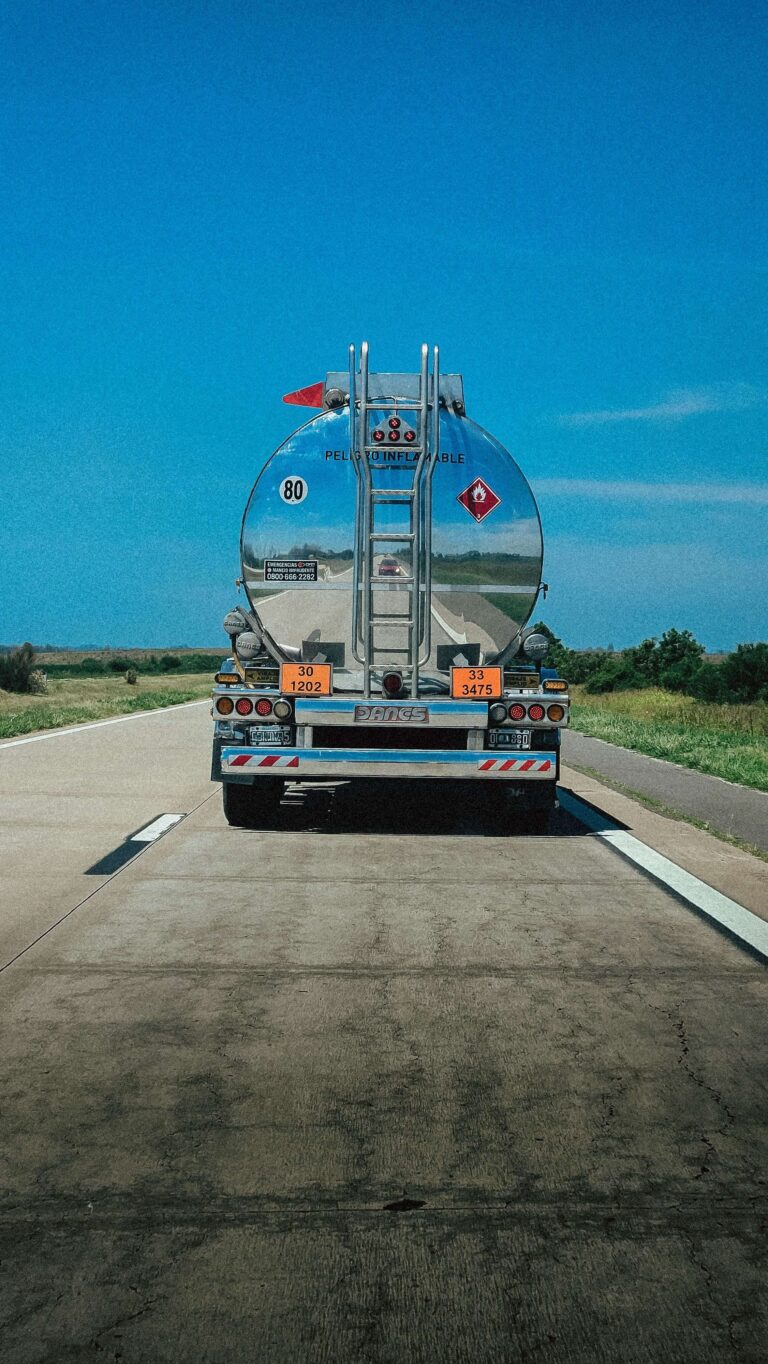
Introduction to the 9 ADR Hazard Classes
Understanding the 9 ADR hazard classes (often shortened to the 9 adr hazard classes) is essential for anyone involved in the transport of dangerous goods by road. ADR regulations establish a standard system for identifying hazardous materials and ensuring they are packaged, labelled, documented, handled, and transported safely. Every dangerous substance is assigned to one of nine ADR classifications (dangerous goods categories) based on its primary hazard. These dangerous goods categories help businesses comply with legal requirements, reduce transport risks, and protect drivers, emergency responders, the public, and the environment.
Understanding ADR Regulations
ADR, short for the European Agreement concerning the International Carriage of Dangerous Goods by Road, provides a consistent framework used throughout the UK and Europe. The regulations determine how hazardous materials must be transported to minimise the risk of accidents, environmental damage, and injury. Whether transporting chemicals, fuels, gases, batteries, or medical substances, understanding the correct hazard class is the first step towards full compliance with ADR regulations.
The 9 ADR Hazard Classes Explained
The nine ADR hazard classes are categories that identify the primary danger presented by a substance or article during transport. Each class has specific packaging requirements, hazard labels, transport documentation, vehicle equipment, and emergency procedures. Correct classification helps everyone involved in the supply chain understand the risks and apply the appropriate safety measures. In brief, this guide provides the 9 adr hazard classes explained with practical examples and notes on compliance with adr regulations.
Class 1 — Explosives
Class 1 includes explosives capable of producing a sudden release of gas and energy through a chemical reaction. These materials present significant risks from blast pressure, flying debris, heat, and fire. Examples include industrial explosives, detonators, ammunition, pyrotechnics, and fireworks. Because of their potential impact, these products require strict transport controls, specialist packaging, approved vehicles, enhanced security measures, and ADR-trained drivers.
Class 2 — Gases
Class 2 covers compressed, liquefied, dissolved, and refrigerated gases. These substances are divided into flammable gases, non-flammable non-toxic gases, and toxic gases. Common examples include propane, butane, oxygen, nitrogen, helium, carbon dioxide, chlorine, and acetylene. Gas cylinders and tanks must be inspected regularly, secured correctly, and protected against excessive heat and physical damage to prevent leaks or pressure-related incidents.
Class 3 — Flammable Liquids
Flammable liquids generate vapours that can ignite when exposed to sparks, flames, or high temperatures. Petrol, diesel, ethanol, acetone, paints, solvents, and certain adhesives are among the most frequently transported Class 3 products. Safe transport requires approved packaging, proper sealing, ignition control measures, adequate ventilation, and suitable fire-fighting equipment. Even a small spill can create a serious fire hazard if handled incorrectly.
Class 4 — Flammable Solids
Class 4 includes flammable solids, self-reactive substances, and materials that become dangerous when they come into contact with water. Some products ignite easily through friction, while others generate flammable gases when exposed to moisture. Examples include sulphur, magnesium powder, phosphorus, sodium, and certain metal powders. Appropriate storage conditions and segregation from incompatible substances are essential to minimise transport risks.
Class 5 — Oxidising Substances and Organic Peroxides
Class 5 consists of oxidising substances and organic peroxides that may intensify fires or decompose violently under certain conditions. Although oxidising agents are not always combustible themselves, they supply oxygen that accelerates combustion. Examples include hydrogen peroxide, ammonium nitrate, sodium chlorate, and industrial curing agents. These materials should always be transported separately from combustible products and protected from excessive heat.
Class 6 — Toxic and Infectious Substances
Class 6 covers substances that may cause serious harm or death if inhaled, swallowed, or absorbed through the skin, together with infectious materials containing harmful microorganisms. Examples include pesticides, toxic chemicals, medical waste, laboratory samples, and infectious biological specimens. Secure packaging, clear hazard communication, and strict handling procedures reduce the risk of exposure during transport and unloading.
Class 7 — Radioactive Materials
Radioactive materials emit ionising radiation that requires specialist transport controls. Medical isotopes, industrial radiography equipment, research materials, and nuclear industry products are all included within Class 7. Shipments must use certified packaging designed to shield radiation and protect the contents during transport. Drivers and transport operators must follow detailed safety procedures to ensure exposure remains within legal limits.
Class 8 — Corrosive Substances
Class 8 includes substances capable of causing severe burns to skin, damaging metals, or harming the environment if released. Common examples include sulphuric acid, hydrochloric acid, nitric acid, sodium hydroxide, and battery acid. Leak-proof containers, corrosion-resistant packaging, personal protective equipment, and emergency spill procedures help prevent injuries and minimise environmental contamination.
Class 9 — Miscellaneous Dangerous Goods
Class 9 includes hazardous materials that do not fit into the previous classes but still present significant transport risks. This category covers lithium batteries, dry ice, environmentally hazardous substances, asbestos, genetically modified organisms, and certain safety devices such as airbags. Although classified as miscellaneous, these products remain subject to ADR regulations and require appropriate packaging, documentation, marking, and handling procedures.
Why Correct ADR Classification Matters
Accurate classification is one of the most important aspects of dangerous goods transport. Assigning the correct ADR hazard class determines the appropriate UN number, packaging instructions, hazard labels, vehicle placards, transport documentation, segregation requirements, emergency information, and driver training obligations. Misclassification can lead to shipment delays, regulatory penalties, increased safety risks, environmental damage, and potential legal consequences.
Best Practices for ADR Compliance
Businesses involved in transporting dangerous goods should regularly review their procedures, ensure staff receive appropriate ADR awareness training, and verify that all documentation remains accurate before every journey. Maintaining compliance with ADR regulations not only protects employees and the public but also improves operational efficiency and reduces the likelihood of costly incidents.
Understanding the 9 ADR hazard classes provides the foundation for the safe and compliant transport of hazardous materials throughout the UK and Europe. Each of the nine ADR classifications identifies a specific type of hazard and establishes the safety requirements for packaging, labelling, documentation, handling, and transport. By correctly identifying these dangerous goods categories and following current ADR regulations, businesses can reduce transport risks, meet legal obligations, protect the environment, and ensure hazardous materials are delivered safely and responsibly.