Many businesses mistakenly believe that hazardous goods and hazardous waste mean the same thing. Although both involve materials that can pose risks to people, property, and the environment, they are governed by different regulations and require different handling procedures. Understanding the difference between hazardous goods and hazardous waste helps businesses remain legally compliant, improve workplace safety, and reduce environmental risks. This guide will compare hazardous goods and hazardous waste to make those requirements clear.
Companies involved in manufacturing, construction, healthcare, laboratories, engineering, retail, and waste management frequently encounter dangerous substances. Knowing whether a material is classified as hazardous goods or hazardous waste determines how it must be packaged, transported, stored, documented, and ultimately disposed of.
What Are Hazardous Goods?
Hazardous goods, also known as dangerous goods, are substances or articles capable of causing harm during transport. These materials may present risks such as fire, explosion, corrosion, toxicity, radiation, or environmental damage if they are not handled correctly.
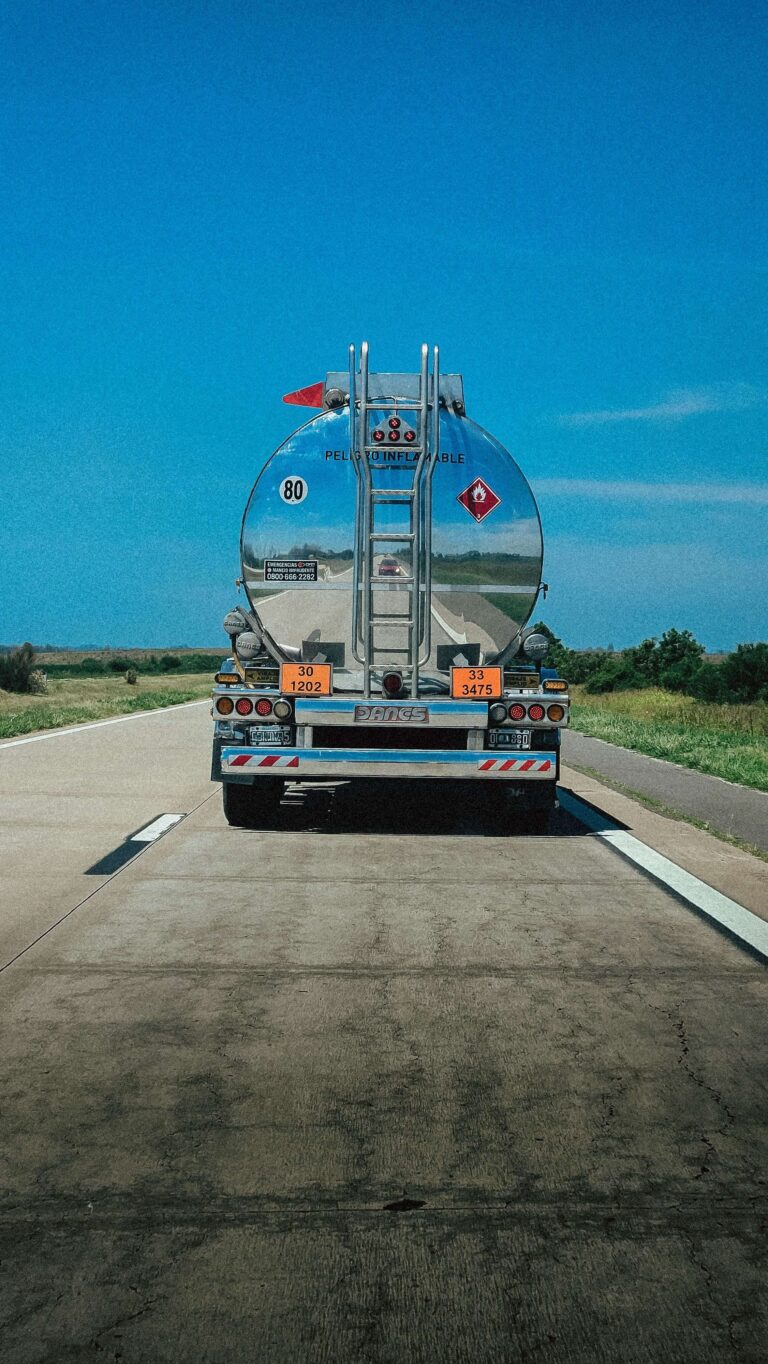
In the UK and across Europe, hazardous goods transported by road are regulated under the ADR Agreement (European Agreement concerning the International Carriage of Dangerous Goods by Road). ADR regulations specify strict requirements for classification, packaging, labelling, vehicle equipment, driver training, and transport documentation.
Examples of hazardous goods include:
Petrol and diesel
Industrial chemicals
Compressed gases
Paints and solvents
Lithium batteries
Aerosols
Explosives
Corrosive cleaning chemicals
Flammable liquids
Medical gases
These products often remain valuable because they are still intended for use, sale, storage, or distribution.
What Is Hazardous Waste?
Hazardous waste refers to materials that are no longer wanted and require disposal because they contain properties that could harm human health or the environment. These materials become waste after use, contamination, expiry, damage, or when they are no longer suitable for their original purpose.
Hazardous waste is regulated separately from hazardous goods. In the UK, businesses must comply with environmental legislation covering waste storage, collection, treatment, recycling, recovery, and disposal.
Common hazardous waste includes:
Waste chemicals
Used paint
Waste solvents
Contaminated packaging
Asbestos
Clinical waste
Waste oils
Batteries awaiting recycling
Electronic waste containing hazardous components
Fluorescent tubes
Unlike hazardous goods, hazardous waste has reached the end of its intended use and must be managed responsibly.
The Difference Between Hazardous Goods and Hazardous Waste
When considering hazardous goods vs hazardous waste, the main difference lies in their purpose.
Hazardous goods are products being transported because they still have commercial value or are intended for use. Hazardous waste is material that has become unwanted and requires treatment or disposal.
A container of unused industrial solvent delivered to a factory is hazardous goods. The same solvent becomes hazardous waste after use if it is contaminated and needs disposal.
Although the substance itself may remain chemically identical, its legal classification changes depending on its intended use.
Why Correct Classification Matters
Correct classification affects every stage of handling.
Businesses must know whether materials are hazardous goods or hazardous waste before arranging transport. Incorrect classification can result in legal penalties, shipment delays, environmental incidents, and increased health and safety risks.
Correct identification helps organisations:
Meet legal obligations
Protect employees
Reduce environmental impact
Improve operational efficiency
Avoid costly fines
Ensure proper documentation
Select suitable transport services
Proper classification also helps emergency responders understand the hazards involved should an accident occur during transport.
Regulations Covering Hazardous Goods
Hazardous goods transported by road in the UK must comply with ADR regulations.
These rules include:
Correct UN Number classification
Approved packaging
Hazard warning labels
Vehicle placarding
Transport documentation
ADR-trained drivers
Emergency instructions
Load securing requirements
Different hazard classes have different transport requirements depending on the risks they present.
Regulations Covering Hazardous Waste
Hazardous waste follows environmental legislation rather than ADR transport regulations alone.
Businesses generating hazardous waste have responsibilities including:
Safe storage
Waste classification
Appropriate containers
Licensed waste carriers
Consignment documentation
Waste tracking
Recycling where possible
Disposal at authorised facilities
Some hazardous waste also requires ADR transport because it remains dangerous during transportation. In these cases, both sets of regulations apply simultaneously.
Can Hazardous Waste Also Be Hazardous Goods?
Yes.
Many hazardous waste materials are also classified as hazardous goods during transport because they still present transport risks.
Examples include:
Waste chemicals
Waste paint
Contaminated fuel
Used solvents
Chemical residues
Laboratory waste
Waste aerosols
Although these materials are waste, they may still be flammable, toxic, corrosive, or environmentally hazardous while being transported.
This means businesses must comply with both hazardous waste legislation and ADR transport requirements.
Industries That Handle Both
Many industries regularly deal with hazardous goods and hazardous waste.
These include:
Chemical manufacturing
Pharmaceutical companies
Automotive workshops
Hospitals
Universities
Research laboratories
Construction companies
Waste management providers
Engineering firms
Industrial cleaning companies
These organisations often receive hazardous goods before generating hazardous waste during production or maintenance activities.
Documentation Requirements
Documentation differs depending on classification.
Hazardous goods normally require:
ADR transport documents
UN Numbers
Proper shipping names
Packing group information
Emergency instructions
Hazardous waste generally requires:
Waste classification
Hazard codes
Consignment notes
Waste transfer records
Carrier information
Disposal records
Accurate paperwork ensures traceability throughout transport and disposal.
Common Misunderstandings
Several misconceptions confuse. One common mistake is believing every dangerous substance automatically becomes hazardous waste. Materials only become waste when the holder decides to discard them, or they can no longer be used.
Another misunderstanding is assuming hazardous waste does not require ADR transport. Many waste materials still meet dangerous goods classifications during transport and require ADR-compliant vehicles and drivers.
Some businesses also believe ordinary couriers can transport hazardous waste. In reality, specialist carriers are usually required to meet both transport and environmental legislation.
Best Practices for Businesses
Businesses can reduce risks by implementing effective hazardous material management procedures.
Recommended practices include:
Identify hazardous materials correctly
Separate products from waste
Train employees regularly
Store materials safely
Maintain accurate records
Use ADR-compliant transport providers
Work with licensed waste carriers
Review procedures regularly
Follow manufacturer guidance
Keep emergency response plans updated
These measures improve compliance while protecting employees, customers, and the environment.
Understanding the difference between hazardous goods and hazardous waste is essential for every business handling dangerous materials. Hazardous goods are products intended for transport and use, while hazardous waste consists of materials that require disposal after they are no longer needed. Although they are regulated differently, some waste materials remain dangerous during transport and must comply with both environmental legislation and ADR requirements.
Correct classification supports legal compliance, improves workplace safety, reduces environmental harm, and ensures dangerous materials are transported and disposed of responsibly. By understanding the differences and working with qualified transport and waste management providers, businesses can confidently meet their legal responsibilities while protecting people and the environment.