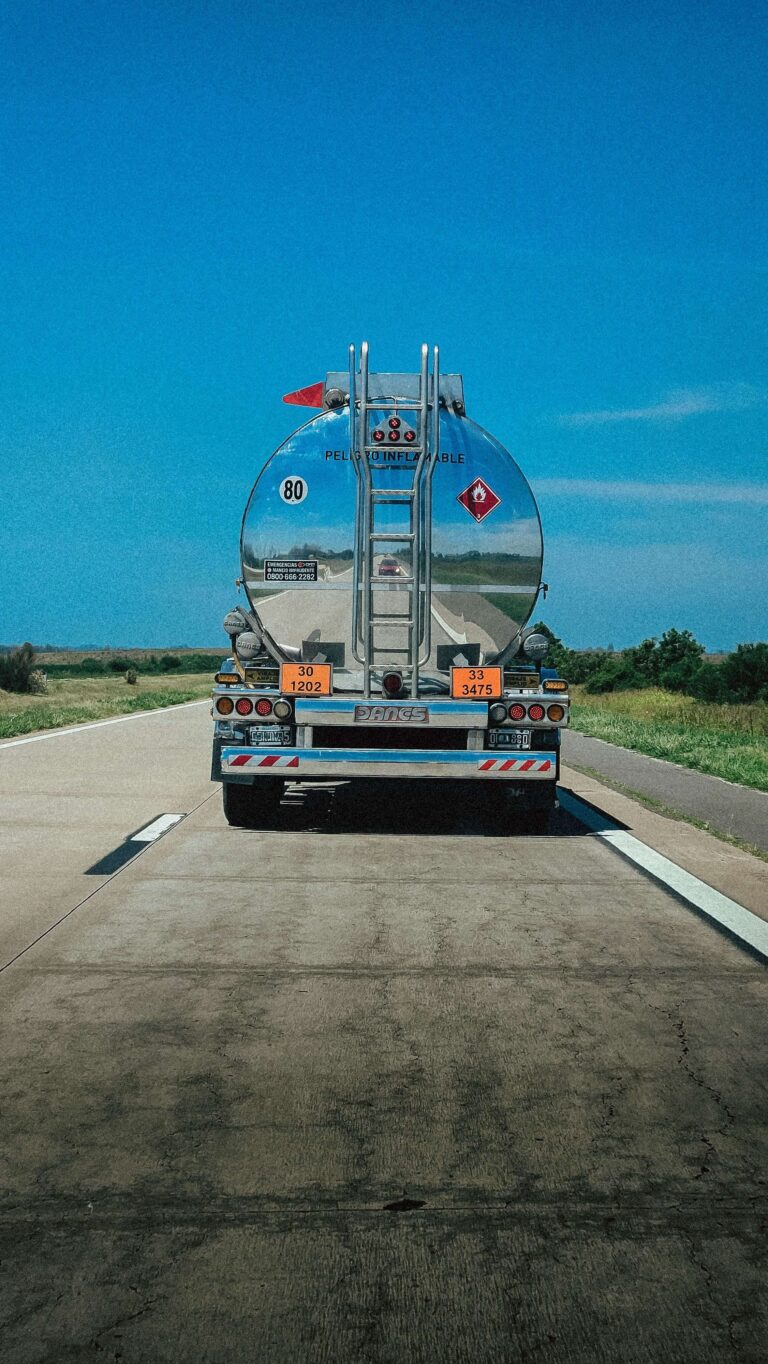
What Are UN Numbers?
UN numbers are internationally recognised four-digit identification codes assigned by the United Nations to dangerous goods. They provide a universal system for dangerous goods identification during transport, ensuring that carriers, emergency responders and regulatory authorities can recognise potential risks quickly and accurately. In ADR transport, ADR UN numbers are essential because they support the safe movement of dangerous goods by helping businesses classify, package, label and document hazardous materials correctly. Whether transporting chemicals, flammable liquids, gases or lithium batteries, using the correct UN number is a legal requirement that improves safety and ensures compliance with ADR regulations.
UN Numbers Explained
UN numbers are internationally recognised four-digit identification codes assigned by the United Nations to classify and identify dangerous goods during transport. Every hazardous substance or article is given a unique UN number that links it to specific ADR transport requirements, including hazard classification, approved packaging, labelling, documentation and emergency response procedures. These standardised UN codes provide consistent dangerous goods identification across road, rail, sea and air transport, allowing carriers, emergency services and regulatory authorities to recognise potential hazards quickly and handle shipments safely. Understanding ADR UN numbers is essential for businesses transporting hazardous materials because using the correct code ensures legal compliance, improves transport safety and reduces the risk of accidents, delays and costly penalties.
How UN Numbers Work
A UN number—often referred to as a UN code—is far more than a simple reference. It links a specific dangerous substance or article to detailed transport information, including its hazard classification, packing group, labelling requirements, approved packaging instructions and emergency response measures. This internationally standardised approach removes confusion caused by different product names or languages, allowing everyone involved in the transport process to identify hazardous materials consistently. Because the same UN codes are recognised worldwide, they support the safe transport of dangerous goods across national borders and different transport modes.
Why ADR UN Numbers Are Important
ADR UN numbers play a central role in dangerous goods identification throughout the supply chain. Before hazardous materials are transported, businesses must ensure the correct UN number has been assigned to the product. This number then appears on transport documentation, package markings, hazard labels and vehicle placards where required. Displaying the correct information enables warehouse staff, drivers, inspectors and emergency services to understand the hazards immediately, reducing the likelihood of handling errors and improving emergency response if an incident occurs.
Common Examples of UN Numbers
Every UN number identifies a specific dangerous substance or a group of substances that share similar hazards. For example, petrol is assigned UN1203, acetone uses UN1090, sodium hydroxide solution is identified as UN1824 and lithium-ion batteries transported on their own are classified as UN3480. Each of these UN codes connects directly to the ADR requirements that govern how the goods must be packaged, labelled, segregated and transported. Using the correct code ensures that hazardous materials receive the appropriate level of protection throughout the transport journey.
UN Numbers and ADR Hazard Classes
Although UN numbers and ADR hazard classes are closely connected, they serve different purposes. UN numbers identify the exact dangerous substance or article, while ADR hazard classes describe the type of risk the product presents, such as flammable liquids, toxic substances or corrosive materials. Together, these systems create a comprehensive framework for dangerous goods identification, allowing transport operators to apply the correct safety measures and comply with legal transport requirements. Understanding the relationship between UN numbers and hazard classes is essential for businesses that regularly transport hazardous materials.
Why Accurate UN Codes Matter
Accurate classification is one of the most important aspects of ADR compliance. Assigning the wrong UN number can result in incorrect packaging, unsuitable hazard labels, inaccurate transport documents and non-compliance with ADR regulations. These errors increase the risk of accidents, transport delays, enforcement action and financial penalties. More importantly, an incorrect UN number may prevent emergency responders from identifying the hazards quickly during an incident, potentially placing people, property and the environment at greater risk. Correct dangerous goods identification protects everyone involved in the transport process while supporting efficient logistics and regulatory compliance.
Where to Find UN Numbers
Businesses should always verify UN numbers before arranging the transport of dangerous goods. The correct classification can usually be found in the product’s Safety Data Sheet, where manufacturers provide transport information alongside hazard classifications and handling guidance. Where additional verification is required, the ADR agreement contains the official list of UN numbers together with the corresponding transport provisions, packing instructions and labelling requirements. Checking this information before shipping helps businesses avoid costly mistakes and ensures every consignment meets current ADR standards.
How UN Numbers Improve Transport Safety
UN numbers also improve communication throughout the supply chain. Because these codes are internationally recognised, manufacturers, freight forwarders, transport operators, customs authorities and emergency services all use the same identification system. This consistency reduces misunderstandings, simplifies documentation and enables dangerous goods to move safely between different countries and transport networks. It also supports faster inspections and more effective emergency planning, particularly when hazardous materials are transported over long distances or through multiple jurisdictions.
Understanding UN numbers is essential for any organisation involved in transporting hazardous materials. These internationally recognised UN codes provide accurate dangerous goods identification, helping businesses comply with ADR regulations while protecting people, property and the environment. By assigning the correct ADR UN numbers, using approved packaging, displaying accurate labels and preparing compliant transport documentation, organisations can reduce risk, improve operational efficiency and meet their legal responsibilities. As regulations continue to evolve and supply chains become increasingly international, maintaining accurate UN number classification remains one of the most important foundations of safe and compliant dangerous goods transport.