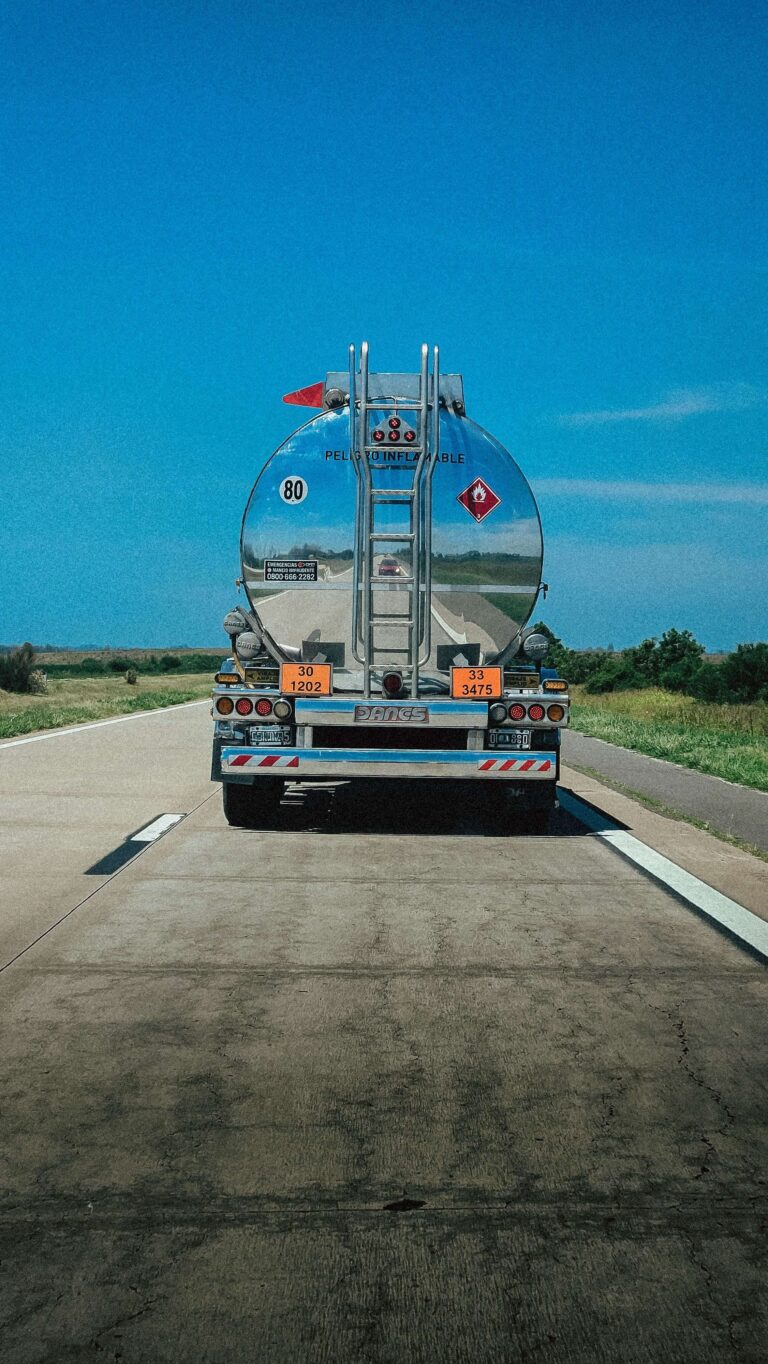
Dangerous Goods Classification Before Transport
Dangerous goods classification before transport is the process of identifying hazardous substances, assessing their risks, and assigning the correct transport controls before a shipment begins. Using ADR classification, UN classification, and a thorough hazard assessment, businesses determine the correct hazard class, UN number, packing group, packaging, labels, and documentation. Accurate classification protects people, property, and the environment while ensuring compliance with UK and international transport regulations.
How Dangerous Goods Are Classified Before Transport
Dangerous goods are classified before transport by identifying the hazards they present and assigning them to the correct category under ADR classification rules. The classification process begins with a thorough hazard assessment, which evaluates the physical, chemical, health, and environmental risks of a substance or article. Based on these properties, the material is allocated
a specific hazard class,
a four-digit UN classification number,
and, where applicable, a packing group that reflects its level of danger. This information determines the
packaging,
labelling,
documentation,
handling,
and transport requirements needed for safe and compliant movement. Accurate dangerous goods classification is essential for reducing transport risks, protecting people and the environment, and ensuring compliance with UK and international regulations governing the carriage of hazardous materials.
Why Classification Matters
Every dangerous substance presents different risks during transport. Some are flammable, others are toxic, corrosive, explosive, or environmentally hazardous. Correct classification ensures each material is handled according to its specific hazards, reducing accidents, delays, and legal penalties.
Understanding ADR Classification
ADR classification is the framework used for the carriage of dangerous goods by road across the UK and Europe. It assigns substances to one of nine hazard classes based on their primary danger and sets rules for
packaging,
labelling,
vehicle requirements,
segregation,
and documentation.
The Nine Hazard Classes
The nine classes cover
explosives,
gases,
flammable liquids,
flammable solids,
oxidising substances and organic peroxides,
toxic and infectious substances,
radioactive materials,
corrosive substances,
and miscellaneous dangerous goods. Each class has unique transport requirements designed to minimise risk.
UN Classification
UN classification provides a globally recognised four-digit UN number for every regulated dangerous good. These identifiers appear on packages and transport documents, allowing everyone in the supply chain to identify the substance quickly and respond appropriately during emergencies.
Hazard Assessment
A hazard assessment evaluates the physical, chemical, health, and environmental properties of a substance. It considers factors such as
flammability,
toxicity,
reactivity,
corrosiveness,
and environmental impact before assigning the correct classification for safe transport.
Packing Groups
Many dangerous goods are allocated to Packing Groups I, II, or III to indicate high, medium, or low danger. The packing group determines the performance standard required for approved packaging.
Packaging Requirements
ADR-approved packaging is tested to withstand transport conditions including
vibration,
impact,
stacking,
and pressure changes. Selecting suitable packaging prevents leaks and protects workers and the environment.
Labels and Markings
Hazard labels provide an immediate visual warning of the risks associated with a shipment. Correct labels, UN numbers, and vehicle markings ensure compliance and improve emergency response.
Transport Documentation
Transport documents must accurately include the
proper shipping name,
UN number,
hazard class,
packing group where applicable,
quantity,
and consignor and consignee details. Accurate paperwork supports legal compliance and efficient deliveries.
Common Mistakes
Frequent errors include
selecting the wrong UN number,
using outdated Safety Data Sheets,
applying incorrect labels,
or choosing unsuitable packaging. Regular reviews and staff training reduce these risks.
Best Practice
Businesses should
maintain current Safety Data Sheets,
verify classifications before every shipment,
use trained personnel,
and review regulatory updates. Working with experienced ADR specialists helps maintain compliance and improves transport safety.
Dangerous goods classification forms the foundation of safe transport. Through effective ADR classification, accurate UN classification, and a thorough hazard assessment, businesses can ensure hazardous materials are packaged, labelled, documented, and transported safely while meeting legal obligations.