Contact Us

Your Guide to Using a Hazardous Goods Courier

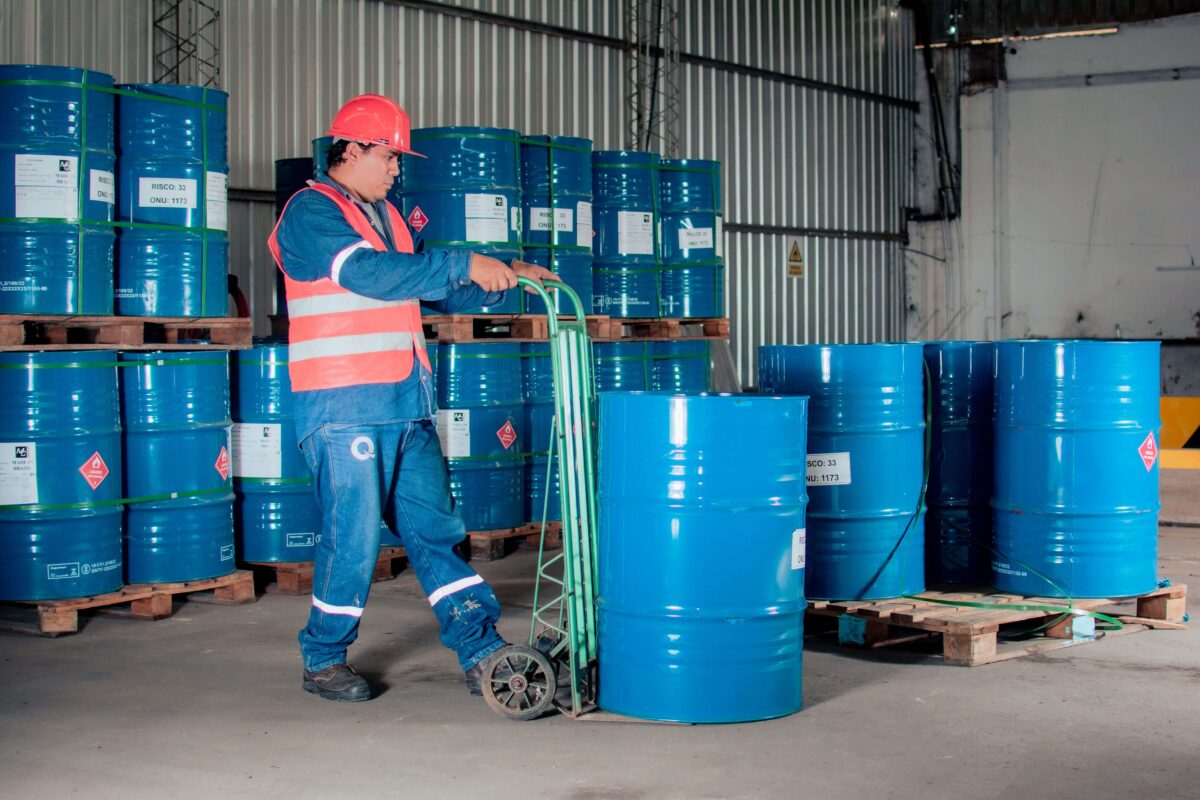
Transporting dangerous substances requires more than simply moving goods from one location to another. Choosing a hazardous goods courier helps businesses comply with UK transport regulations while protecting people, property, and the environment. Whether your company ships chemicals, paints, batteries, fuels, or laboratory products, using an experienced ADR courier reduces risks and ensures every shipment reaches its destination safely.

Your Guide to Using a Hazardous Goods Courier

This article is your guide to using a hazardous goods courier, explaining what a hazardous goods courier is and how to choose the right provider in the UK.

What Is a Hazardous Goods Courier?

A hazardous goods courier is a specialist transport provider trained to handle dangerous goods in accordance with ADR regulations. Unlike standard delivery companies, these couriers understand the legal requirements for transporting hazardous materials by road throughout the UK.

Hazardous goods may include:

  • Chemicals
  • Industrial solvents
  • Paints and coatings
  • Lithium batteries
  • Flammable liquids
  • Corrosive substances
  • Compressed gases
  • Toxic materials
  • Cleaning products
  • Laboratory samples

Every shipment must be classified, packaged, labelled, documented, and transported correctly to remain legally compliant.

Why Businesses Use a Hazardous Goods Courier

Many industries regularly transport dangerous goods. A professional hazardous goods courier provides specialist knowledge that reduces delays, prevents compliance issues, and improves safety.

Key benefits include:

  • ADR-compliant transport
  • Trained and certified drivers
  • Secure vehicle handling
  • Proper dangerous goods documentation
  • Reduced risk of spills and incidents
  • Nationwide collection and delivery
  • Reliable transport scheduling

Using an experienced courier also gives businesses confidence that shipments meet current UK transport legislation.

Industries That Benefit

A hazardous goods courier supports organisations across many sectors, including:

  • Manufacturing
  • Chemical production
  • Pharmaceutical companies
  • Construction
  • Automotive
  • Energy
  • Waste management
  • Engineering
  • Agriculture
  • Research laboratories

Each industry has different transport requirements, making specialist knowledge essential.

How Hazardous Goods Are Transported Safely

Safety begins long before the vehicle leaves the depot. Every shipment follows strict procedures designed to minimise risk throughout the transport process.

These include:

Correct Classification

Each product is assigned the appropriate UN number, hazard class, and packing group before transport.

Approved Packaging

Dangerous goods must be packed using UN-approved containers suitable for the material being transported.

Accurate Labelling

Packages display the correct hazard labels and transport markings so emergency responders can identify potential risks.

ADR Documentation

Transport documents provide essential information about the shipment, including emergency procedures and legal requirements.

Driver Training

ADR-qualified drivers understand how to transport hazardous materials safely and respond appropriately should an incident occur.

Choosing the Right Hazardous Goods Courier

Not every courier is authorised to transport dangerous goods. Before selecting a provider, consider whether they offer:

  • ADR-qualified drivers
  • Nationwide UK coverage
  • Experience with your industry
  • Fully insured transport
  • Regulatory compliance
  • Reliable collection times
  • Real-time communication
  • Safe handling procedures

A trusted courier should also provide advice if you are unsure about packaging or documentation requirements.

Common Mistakes to Avoid

Businesses sometimes experience delays because dangerous goods have not been prepared correctly.

Avoid these common issues:

  • Incorrect hazard labels
  • Missing transport paperwork
  • Poor packaging
  • Incorrect UN numbers
  • Using non-ADR couriers
  • Overloaded packaging
  • Untrained personnel preparing shipments

Preventing these mistakes helps reduce costs and avoids unnecessary transport delays.

How a Dangerous Goods Courier Keeps Shipments Compliant

Compliance begins before collection. Every shipment should be assessed to confirm its UN number, hazard class and packing group. Products must then be packaged using approved materials, labelled correctly and accompanied by the required transport documentation.

A professional dangerous goods courier verifies these requirements before transport, helping businesses avoid delays, rejected consignments and enforcement action.

Why ADR Compliance Matters

ADR regulations exist to protect everyone involved in transporting hazardous materials. Compliance reduces the likelihood of accidents while helping businesses avoid enforcement action and financial penalties.

Working with a professional hazardous goods courier ensures your shipments comply with current UK legislation while maintaining high safety standards throughout every stage of transport.

Selecting the right hazardous goods courier is one of the most important decisions when transporting dangerous goods. A specialist courier provides the expertise, training, and regulatory knowledge needed to move hazardous materials safely and legally across the UK.

Whether your business transports chemicals, batteries, fuels, laboratory supplies, or industrial products, partnering with an experienced ADR courier helps protect your business, employees, customers, and the wider environment.


What Are Hazardous Cargo Classes? A Plain-English Guide

Businesses that transport chemicals, fuels, batteries, paints, medical products, or industrial materials often need to understand how dangerous goods are classified before they can be moved legally.

Hazardous cargo classes are an internationally recognised hazardous cargo classification used to identify the risks associated with transporting dangerous goods. Each class tells drivers, warehouse staff, emergency responders, and logistics providers exactly what type of hazard a product presents and how it should be handled safely.

Whether you’re shipping a single drum of chemicals or managing regular ADR deliveries across the UK, understanding hazardous cargo classes helps reduce risk, improve compliance, and protect people, property, and the environment.

This guide explains every hazardous cargo class, why the classifications matter, and how they affect road transport throughout the UK.

What Are Hazardous Cargo Classes?

Hazardous cargo classes are categories used to classify dangerous goods according to the primary hazard they present during transport.

The system is based on the United Nations Recommendations on the Transport of Dangerous Goods and forms the foundation of ADR regulations used throughout the UK and Europe.

Each hazardous substance receives:

  • A UN Number

  • A Proper Shipping Name

  • A Hazard Class

  • Packing Group (where applicable)

  • Transport requirements

  • Packaging instructions

  • Labelling requirements

These classifications ensure everyone involved in the transport chain understands the risks before a shipment moves.

Why Hazardous Cargo Classes Matter

Correct classification is one of the most important parts of dangerous goods transport.

Proper classification helps organisations:

  • Protect employees

  • Prevent fires and chemical releases

  • Reduce environmental damage

  • Ensure legal compliance

  • Select suitable packaging

  • Apply the correct hazard labels

  • Prepare accurate transport documentation

  • Support emergency response planning

Misclassifying dangerous goods can result in delayed deliveries, regulatory action, financial penalties, or serious safety incidents.

The Nine Hazardous Cargo Classes Explained

Class 1 — Explosives

Class 1 covers substances and articles capable of producing explosions.

Examples include:

  • Fireworks

  • Ammunition

  • Detonators

  • Explosive charges

  • Military explosives

These materials require specialist transport arrangements due to their potential to explode when exposed to heat, friction, or impact.

Class 2 — Gases

Compressed, liquefied, dissolved, and refrigerated gases fall into Class 2.

Examples include:

  • Oxygen

  • Nitrogen

  • Propane

  • Butane

  • Carbon dioxide

  • Acetylene

Some gases are flammable, while others may be toxic or oxidising.

Transport requirements depend on the specific gas and its associated risks.

Class 3 — Flammable Liquids

Flammable liquids are among the most commonly transported hazardous goods.

Examples include:

  • Petrol

  • Diesel

  • Ethanol

  • Paint thinners

  • Solvents

  • Adhesives

  • Alcohol-based products

These products can ignite easily when exposed to sparks or heat.

Proper packaging and ventilation significantly reduce transport risks.

Class 4 — Flammable Solids

Class 4 includes substances that ignite more easily than ordinary combustible materials.

This class also includes materials that react dangerously when wet.

Examples include:

  • Sulphur

  • Magnesium powder

  • Sodium

  • Certain metal powders

Careful storage is essential because moisture or friction may trigger dangerous reactions.

Class 5 — Oxidising Substances and Organic Peroxides

These products may not burn themselves but can dramatically increase the intensity of fires.

Examples include:

  • Hydrogen peroxide

  • Ammonium nitrate

  • Organic peroxide formulations

  • Industrial bleaching agents

Transport vehicles must avoid contamination with combustible materials.

Class 6 — Toxic and Infectious Substances

Class 6 is divided into two categories.

Toxic Substances

Examples include:

  • Pesticides

  • Cyanides

  • Industrial chemicals

  • Laboratory chemicals

Exposure may occur through inhalation, ingestion, or skin contact.

Infectious Substances

These contain pathogens capable of causing disease.

Examples include:

  • Clinical samples

  • Diagnostic specimens

  • Medical laboratory materials

Strict containment procedures are required throughout transport.

Class 7 — Radioactive Materials

Radioactive substances emit ionising radiation and require specialist handling.

Examples include:

  • Medical isotopes

  • Industrial radiography equipment

  • Nuclear materials

  • Scientific research materials

Only appropriately trained organisations should transport radioactive cargo.

Class 8 — Corrosive Substances

Corrosive materials can damage living tissue and many types of equipment.

Examples include:

  • Sulphuric acid

  • Hydrochloric acid

  • Sodium hydroxide

  • Battery acid

Leaks may seriously damage vehicles, packaging, and surrounding cargo.

Suitable containers and protective equipment are essential.

Class 9 — Miscellaneous Dangerous Goods

Class 9 includes hazardous materials that do not fit within the previous categories but still present transport risks.

Examples include:

  • Lithium batteries

  • Dry ice

  • Asbestos

  • Environmentally hazardous substances

  • Airbags

Although considered miscellaneous, these products still require full ADR compliance.

Hazard Labels and Warning Diamonds

Every hazardous cargo class has a distinctive warning label.

These labels quickly communicate hazards during loading, transport, and emergency situations.

Typical information includes:

  • Hazard symbol

  • Class number

  • Warning colour

  • UN Number

  • Additional handling instructions

Correct labelling enables emergency services to respond more effectively if an incident occurs.

What Is a UN Number?

Every regulated dangerous product is assigned a unique UN Number.

For example:

  • UN1203 — Petrol

  • UN1090 — Acetone

  • UN1830 — Sulphuric Acid

  • UN3480 — Lithium-Ion Batteries

The UN Number identifies the substance regardless of language or country.

It appears on transport documents, packaging, and vehicle placards.

What Is a Packing Group?

Many hazardous goods are assigned a Packing Group based on the degree of danger.

There are three levels.

Packing Group I

High danger

Packing Group II

Medium danger

Packing Group III

Lower danger

Packing Groups determine the strength and testing standards required for packaging.

Who Uses Hazardous Cargo Classes?

Hazardous cargo classifications are used by many industries across the UK.

These include:

  • Chemical manufacturers

  • Pharmaceutical companies

  • Construction firms

  • Engineering businesses

  • Fuel distributors

  • Waste management companies

  • Laboratories

  • Automotive suppliers

  • Logistics companies

  • Warehousing providers

Anyone involved in transporting dangerous goods should understand the classification system.

Common Goods That Require Hazard Classification

Many everyday products are classed as dangerous goods.

Examples include:

  • Cleaning chemicals

  • Aerosols

  • Fuel

  • Paint

  • Adhesives

  • Batteries

  • Solvents

  • Medical samples

  • Gas cylinders

  • Fertilisers

Although these products are commonly used, they still require compliant transport arrangements.

What Happens If Dangerous Goods Are Classified Incorrectly?

Incorrect classification can have serious consequences.

Possible risks include:

  • Vehicle fires

  • Chemical spills

  • Environmental pollution

  • Workplace injuries

  • Delivery delays

  • Insurance complications

  • Regulatory investigations

  • Financial penalties

Accurate classification is one of the first steps towards safe transport.

How ADR Regulations Use Hazardous Cargo Classes

ADR regulations use hazardous cargo classes to determine transport requirements.

These requirements may include:

  • Driver ADR training

  • Approved packaging

  • Vehicle equipment

  • Documentation

  • Fire extinguishers

  • Segregation of incompatible substances

  • Tunnel restrictions

  • Vehicle placarding

  • Emergency instructions

Every shipment must meet the rules applicable to its hazard class.

Tips for Transporting Hazardous Cargo Safely

Businesses can improve transport safety by following several best practices.

These include:

  • Confirm the correct hazard classification before shipping.

  • Use approved ADR packaging.

  • Label every package clearly.

  • Keep transport documentation accurate.

  • Train drivers appropriately.

  • Inspect vehicles before every journey.

  • Store incompatible substances separately.

  • Review emergency procedures regularly.

  • Work with experienced ADR transport specialists.

A proactive approach helps reduce risks and maintain compliance.

Understanding hazardous cargo classes is essential for anyone involved in transporting dangerous goods. The nine internationally recognised hazard classes provide a consistent way to identify risks, apply appropriate safety measures, and comply with ADR regulations.

Whether you’re moving fuels, chemicals, batteries, gases, or laboratory products, accurate classification protects employees, customers, and the wider public while helping businesses meet legal obligations.

By following ADR guidance, using approved packaging, and working with experienced dangerous goods transport specialists, organisations can move hazardous cargo safely, efficiently, and confidently across the UK.

ADR Transport Documents: What You Need & Why

ADR document transport is a critical part of moving dangerous goods safely by road in the UK. Whether a business transports chemicals, fuels, paints, batteries, or hazardous waste, the correct paperwork helps drivers, customers, and emergency services understand the risks involved and handle the shipment properly.

Many companies focus on vehicles and packaging but overlook documentation. In reality, incomplete or inaccurate paperwork can cause delays, rejected deliveries, fines, and compliance problems. This guide explains the essential documents required for dangerous goods transport, including the transport document for lithium batteries, and shows why proper ADR paperwork matters. Put simply, this guide covers adr transport documents: what you need & why for UK road movements.

What Is ADR Document Transport?

People often ask, what is adr document transport; it refers to the official paperwork required when carrying dangerous goods under ADR regulations.

ADR regulations

The documents identify the substances being carried, their hazards, and the precautions needed during transport.

The primary purpose of a dangerous goods transportation document is to provide clear information that supports safe handling, legal compliance, and emergency response. If an incident occurs, emergency services can quickly identify the materials involved and choose the correct response.

The Primary Purpose of a Dangerous Goods Transportation Document

The primary purpose of a dangerous goods transportation document is safety. It ensures that everyone involved in the journey understands what is being transported and how it should be handled.

For example, a driver carrying flammable liquids needs different emergency procedures from a driver carrying corrosive chemicals. The document provides this information clearly and consistently.

It also creates a traceable record of the shipment, which helps businesses demonstrate compliance with UK transport regulations.

ADR Document Transport Requirements

A standard ADR document transport record usually includes:

  • the UN number

  • proper shipping name

  • hazard class

  • packing group where applicable

  • quantity

  • packaging details

  • and the names and addresses of the sender and recipient

These details must be accurate and easy to read. Incorrect UN numbers or missing hazard classes are among the most common reasons for compliance issues during inspections. Accurate adr transport documents also help carriers, consignors, and consignees pass inspections efficiently.

Transport Document for Lithium Batteries

A transport document for lithium batteries is particularly important because lithium batteries can present fire risks if damaged or handled incorrectly.

Businesses shipping

  • standalone batteries,

  • batteries packed with equipment,

  • or batteries contained in equipment may need a specific transport document for lithium batteries that includes the correct UN number and shipping description.

As lithium battery use continues to grow in electronics, tools, medical devices, and electric vehicles, proper documentation has become increasingly important for UK businesses.

ADR Transport Labels and Dangerous Goods Transport Labels

Documentation works alongside ADR transport labels and vehicle markings. While paperwork provides detailed information, labels offer an immediate visual warning.

Common ADR transport labels include symbols for:

  • flammable

  • corrosive

  • toxic

  • and environmentally hazardous substances

These dangerous goods transport labels help warehouse staff, drivers, and emergency responders identify risks quickly.

Many businesses use both ADR labels transport systems and transport documents to create a complete compliance process.

Why ADR Labels Transport Systems Matter

Effective ADR labels transport procedures reduce confusion during loading and unloading. Clear dangerous goods transport labels help ensure that incompatible substances are not stored together and that handlers use the correct safety measures.

Combined with accurate ADR document transport records, labels improve safety throughout the supply chain.

Common ADR Document Transport Mistakes

Many compliance problems come from simple errors such as:

  • incorrect UN numbers

  • missing quantities

  • outdated product descriptions

  • incomplete addresses

  • and missing emergency instructions

Regular staff training and document checks can prevent most of these issues before a vehicle leaves the depot.

Keeping ADR Documentation Compliant

Businesses should:

  • review their ADR document transport procedures regularly

  • verify product classifications

  • update safety data sheets

  • check ADR transport labels before dispatch

  • and ensure drivers carry the correct paperwork for every journey

Companies that transport batteries should also confirm that the transport document for lithium batteries meets current ADR requirements.

ADR document transport is not just paperwork; it is a key safety and compliance tool. The primary purpose of a dangerous goods transportation document is to identify hazards, support emergency response, and provide a legal record of the shipment.

Accurate ADR transport labels, reliable ADR labels transport procedures, and clear dangerous goods transport labels all work together to make dangerous goods transport safer and more efficient.

For businesses moving batteries, chemicals, fuels, or hazardous waste, using the correct transport document for lithium batteries and other ADR paperwork helps reduce risk, avoid delays, and maintain compliance across the UK.

How to Transport Chemicals Safely by Road (UK Guide)

Transporting chemicals requires careful planning, legal compliance, and safe handling. Understanding how to transport chemicals safely by road is essential for businesses that move hazardous materials throughout the UK. Whether transporting industrial chemicals, laboratory products, cleaning agents, or dangerous goods, following chemical transport regulations and ADR requirements helps reduce risks while protecting people, property, and the environment. Choosing professional safe chemical transport services also helps businesses maintain compliance and deliver hazardous goods securely.

Why Safe Chemical Transport Matters

Every business involved in transporting hazardous chemicals has a legal responsibility to protect employees, the public, and the environment. Chemical spills, leaks, fires, and contamination can occur if the correct procedures are not followed. Complying with current chemical transportation regulations reduces these risks while helping businesses avoid fines, delivery delays, damaged goods, and unnecessary operational disruption.

Adhering to recognised chemical transportation regulations shows a commitment to workplace safety and environmental responsibility.

How to Transport Chemicals Safely by Road

Following a structured process is the most effective way to ensure safe chemical transport while meeting UK legal requirements.

Identify the Chemical Classification

The first step in transporting chemicals safely is identifying the correct hazard classification. Every chemical is assigned a UN number and hazard class that determines the required packaging, vehicle markings, documentation, and handling procedures.

Common hazardous chemicals include:

  • Flammable liquids
  • Corrosive substances
  • Toxic chemicals
  • Oxidising agents
  • Environmentally hazardous substances

Accurate classification is essential for complying with chemical transport regulations and ensuring every shipment is transported safely.

Use Approved Packaging

Packaging plays a critical role in safe chemical transport. Containers must be approved for dangerous goods, suitable for the chemical being transported, and capable of preventing leaks during transit.

Before every journey, inspect packaging for damage, corrosion, or signs of contamination. Using compliant packaging reduces environmental risks and supports compliance with chemical transportation regulations.

Label Shipments Correctly

Correct labelling is essential when transporting hazardous chemicals. Every package should display the appropriate hazard labels, UN number, and handling information.

Clear identification enables drivers, warehouse staff, emergency responders, and customers to recognise hazards immediately. Incorrect or missing labels can lead to legal penalties and unnecessary safety risks.

Complete ADR Documentation

Every chemical shipment should travel with accurate ADR documentation. This typically includes transport documents, emergency instructions, and any additional paperwork required for specific dangerous goods.

Maintaining complete records supports compliance with transportation of chemicals regulations, improves traceability, and enables emergency services to respond effectively if an incident occurs.

Train Drivers Properly

ADR-qualified drivers play a vital role in how to transport chemicals safely. Appropriate training ensures drivers understand hazard classifications, vehicle requirements, emergency procedures, and legal responsibilities.

Regular refresher training keeps drivers informed of updates to chemical transport regulations while maintaining high safety standards across every journey.

Follow UK ADR Regulations

The UK follows the ADR Agreement governing the carriage of dangerous goods by road. These chemical transport regulations cover vehicle standards, packaging, documentation, driver qualifications, hazard labels, emergency equipment, and safe loading procedures.

Businesses that follow ADR requirements significantly reduce transport risks while ensuring legal compliance for transporting hazardous chemicals throughout the UK.

Storage and Transport of Chemicals

The storage and transport of chemicals are equally important for maintaining safety throughout the supply chain. Chemicals should be stored securely before collection and after delivery, with incompatible substances kept separate to prevent dangerous reactions.

Proper storage conditions preserve product quality, minimise environmental risks, and support compliance with chemical transportation regulations from dispatch to final delivery.

Businesses requiring specialist chemical transport services should ensure their logistics provider follows ADR standards and industry best practices throughout every stage of the journey.

Best Practices for Safe Chemical Transport

Successful safe chemical transport goes beyond meeting minimum legal requirements. Businesses should inspect vehicles before every journey, secure loads correctly, plan efficient delivery routes, carry appropriate spill response equipment, monitor shipments from collection to delivery, and maintain regular vehicle maintenance records.

These practical measures improve operational efficiency, reduce transport risks, and ensure ongoing compliance with transportation of chemicals regulations.

Understanding how to transport chemicals safely by road helps businesses protect employees, customers, and the environment while complying with UK legislation. Following chemical transport regulations, using approved packaging, maintaining accurate documentation, and employing ADR-qualified drivers all contribute to safer operations. By adopting best practices for safe chemical transport, businesses can transport hazardous chemicals confidently, reduce operational risks, and maintain full regulatory compliance across the UK.

How To Transport Batteries Safely

Batteries are one of the most tightly regulated categories of dangerous goods, and one of the most frequently transported incorrectly. From lithium-ion batteries in laptops and power tools to large EV battery packs, lead-acid batteries in vehicles, and lithium metal cells in specialist equipment, almost every business that handles battery-powered products needs to understand how to transport batteries safely and legally. This guide covers everything UK businesses need to know.

Why Battery Transport Is Regulated

Batteries, particularly lithium-ion batteries and lithium metal batteries, are classified as dangerous goods under the ADR regulations (the European Agreement Concerning the International Carriage of Dangerous Goods by Road) because they present a genuine fire and explosion risk during transport if they are damaged, incorrectly packaged, short-circuited, or exposed to excessive heat.

The risk is not theoretical. There have been numerous incidents involving battery fires during transport across all modes of transportation, in road vehicles, cargo aircraft, and ships.

The energy density of modern lithium-ion batteries means that a thermal runaway event, a self-sustaining, temperature-escalating chemical reaction within the battery, can generate intense heat and fire that is extremely difficult to extinguish. Once thermal runaway begins in one battery cell, it can propagate to adjacent cells and spread rapidly.

The dangerous goods regulations for battery transport have been progressively tightened over the past decade in response to these risks. The International Civil Aviation Organization (ICAO), the International Maritime Dangerous Goods (IMDG) Code for sea transport, and ADR for road transport have all introduced increasingly specific requirements for battery transport, covering state of charge limits, packaging specifications, labelling, and documentation.

Battery Types and Their Dangerous Goods Classification

Not all battery types are treated the same under dangerous goods regulations. Different battery chemistries present different levels of risk, and the transport requirements vary accordingly. The key distinction for regulatory purposes is between lithium-based batteries and non-lithium batteries, with lithium-based batteries subject to the most stringent requirements.

Lithium-Ion Batteries (Li-ion)
Rechargeable. Used in smartphones, laptops, tablets, power tools, e-bikes, electric vehicles, and energy storage systems. Classified as Class 9 dangerous goods. The most commonly transported battery type requiring ADR compliance in the UK.
 
Lithium Metal Batteries (Primary)
Non-rechargeable. Used in watches, hearing aids, calculators, military equipment, and specialist devices. Also classified as Class 9. Generally considered higher risk than lithium-ion batteries due to higher lithium content and greater reactivity.
 
Lithium Polymer Batteries (LiPo)
A variant of lithium-ion chemistry using a polymer electrolyte rather than a liquid one. Common in drones, RC vehicles, and consumer electronics. Classified identically to lithium-ion batteries under ADR — UN 3480 or UN 3481 depending on configuration.
 
Lead-Acid Batteries
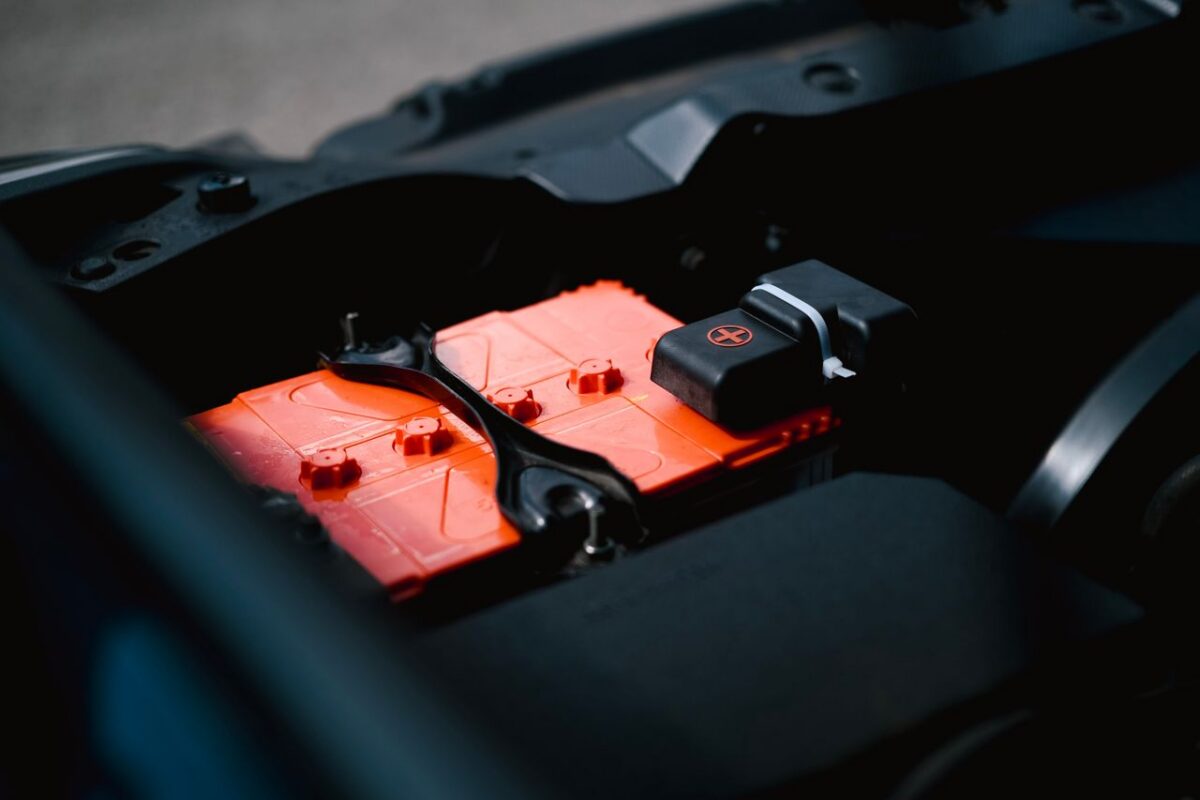
Wet (flooded) lead-acid batteries are classified as Class 8 corrosive substances under ADR. Sealed valve-regulated lead-acid (VRLA) batteries are Class 9. Common in vehicles, industrial equipment, and UPS systems. Less restrictive than lithium but still regulated.
 
Nickel-Metal Hydride (NiMH)
Rechargeable. Found in hybrid vehicles, power tools, and consumer electronics. NiMH batteries are generally not classified as dangerous goods for transport unless they meet specific criteria for hazardous substances — check the Safety Data Sheet for the specific product.
 
Nickel-Cadmium (NiCd)
Rechargeable. Used in industrial equipment, power tools, and emergency lighting. NiCd batteries may be classified as Class 9 under certain conditions due to cadmium content. Check the specific UN number and Safety Data Sheet before transport.


The UN Numbers for Battery Transport

Each category of battery has a specific UN number, the four-digit code assigned under the UN dangerous goods classification system that identifies the substance or article and triggers the applicable transport requirements.

Using the correct UN number is a fundamental requirement of ADR compliance, an incorrect UN number on the transport document or outer packaging is a breach of the dangerous goods regulations.

UN Number Proper Shipping Name Class Key Notes
UN 3480 Lithium ion batteries Class 9 Standalone lithium-ion battery cells and packs, not installed in equipment. State of charge limit of 30% applies under Section II. Watt-hour limits per cell and per battery apply.
UN 3481 Lithium ion batteries packed with equipment / Lithium ion batteries contained in equipment Class 9 Lithium-ion batteries shipped in the same outer packaging as equipment, or already installed inside equipment. Must be protected against activation and short circuit.
UN 3090 Lithium metal batteries Class 9 Standalone lithium metal battery cells and packs. Lithium content limits per cell and per battery apply. More restrictive than lithium-ion in some contexts due to higher reactivity.
UN 3091 Lithium metal batteries packed with equipment / Lithium metal batteries contained in equipment Class 9 Lithium metal batteries shipped with or inside equipment. Lithium content limits apply. Equipment must be protected against activation.
UN 2794 Batteries, wet, filled with acid Class 8 Standard wet lead-acid batteries. Corrosive risk from sulphuric acid. Must be transported upright with secure, sealed vents. Subsidiary risk Class 9 in some configurations.
UN 2800 Batteries, wet, non-spillable, electric storage Class 9 Sealed, valve-regulated lead-acid (VRLA) batteries including AGM and gel types. Less restrictive than wet acid. Common in UPS systems and mobility aids.
UN 3171 Battery-powered vehicle / Battery-powered equipment Class 9 Vehicles or equipment powered by lithium batteries or wet batteries when transported as a complete unit — such as electric wheelchairs, e-bikes, or electric scooters. Special provisions apply.

How To Transport Lithium-Ion Batteries Safely by Road

Transporting lithium-ion batteries safely by road in the UK requires compliance with ADR Packing Instruction P903, which sets out the requirements for UN 3480 and UN 3481. The specific requirements depend on whether you are shipping under Section I (full ADR compliance) or Section II (simplified compliance for smaller batteries and quantities).

Section I: Full ADR Compliance

Section I applies to larger batteries, higher watt-hour ratings, and quantities that exceed the Section II thresholds. Under Section I, the full ADR requirements apply, including ADR-certified drivers, a complete Dangerous Goods Transport Document, and vehicle marking and placarding. Section I is typically required for:

  • Lithium-ion cells exceeding 20Wh per cell
  • Lithium-ion batteries exceeding 100Wh per battery
  • Large-format EV battery packs
  • Industrial battery systems
  • Consignments exceeding the Section II quantity limits

Section II: Simplified Compliance

Section II provides a reduced-requirement route for smaller batteries and lower watt-hour ratings. Under Section II, the driver is not required to hold an ADR certificate and a full transport document is not required, however, the lithium battery handling mark must appear on the outer packaging, and a basic transport document with the UN number and battery type is still required. Section II applies to:

  • Lithium-ion cells not exceeding 20Wh
  • Lithium-ion batteries not exceeding 100Wh
  • Subject to quantity limits per package

State of Charge (SOC) Requirements

One of the most critical, and most frequently overlooked, requirements for the transport of lithium batteries under Section II is the state of charge limit. Lithium-ion batteries transported as UN 3480 (standalone) under Section II must not exceed 30% of their rated capacity at the time of transport.

This requirement exists because the thermal runaway risk from a short circuit or physical damage is proportional to the energy stored in the battery. A battery at 30% SOC presents a significantly lower risk than one at full charge. The 30% SOC limit must be applied before the battery is packaged, it cannot be adjusted during transit.

Damaged, Defective, and End-of-Life Batteries

Batteries that are damaged, defective, recalled, or showing signs of a safety concern, including leaking, venting, deformation, or evidence of previous overheating, present a substantially higher transport risk than undamaged batteries. They are subject to enhanced requirements under ADR Special Provision 376, which applies specifically to lithium batteries that present a safety concern.

Do not transport damaged lithium batteries in standard packaging.

Standard UN-approved packaging for batteries is designed for undamaged goods in normal condition. It is not sufficient for batteries that are leaking, venting, deformed, hot to the touch, or showing any sign of damage or thermal activity. Attempting to transport a damaged lithium battery in standard packaging is both a compliance failure and a serious fire risk. Always seek specialist advice before attempting to move any suspect battery.

ADR Special Provision 376: Requirements for Damaged Batteries

Under Special Provision 376, lithium batteries that are known or suspected to be damaged or defective must be:

  • Transported in a salvage container or equivalent outer packaging that is capable of containing a thermal event, typically a metal container with a lid, or a specialised fire-containment battery transport bag
  • Transported with a minimum quantity of non-combustible, thermally insulating material around the battery to absorb any leakage
  • Each damaged battery transported in its own individual outer packaging, they must not be grouped together
  • Accompanied by additional documentation noting the damage and the special provision being applied
  • Subject to emergency response procedures appropriate to the risk, the driver must be briefed on the nature of the battery and the response actions required.

End-of-Life and Waste Batteries

Batteries being transported for recycling, treatment, or disposal are subject to both the ADR dangerous goods requirements and, where they meet the definition of waste, the Hazardous Waste Regulations.

Under the Waste Batteries and Accumulators Regulations 2009, batteries transported as waste in the UK must be accompanied by appropriate waste transfer documentation in addition to the ADR transport document.

Our battery transport service covers both the ADR and waste regulatory requirements for end-of-life battery collections.