If your business transports hazardous materials, understanding ADR Transport Regulations is essential for legal compliance and public safety, and for ADR compliance under UK dangerous goods law. ADR regulations establish the standards for transporting dangerous goods by road throughout the UK and Europe. They cover everything from packaging and vehicle requirements to driver qualifications and documentation.
Following ADR regulations reduces the risk of accidents, environmental damage, financial penalties, and delivery delays. Whether you transport chemicals, lithium batteries, paints, fuels, gases, or hazardous waste, complying with ADR requirements protects your employees, customers, and the wider public. Effective ADR compliance also aligns daily operations with dangerous goods law.
This guide explains ADR transport regulations in straightforward language, helping UK businesses understand their responsibilities and remain compliant with dangerous goods law.
What Are ADR Transport Regulations?
ADR stands for the European Agreement concerning the International Carriage of Dangerous Goods by Road. Despite the UK’s departure from the European Union, ADR regulations continue to apply across the UK through domestic legislation.
The regulations establish consistent safety standards for transporting dangerous goods by road. They ensure everyone involved in the transport chain follows recognised procedures to minimise risks.
ADR regulations cover:
Classification of dangerous goods
Packaging requirements
Vehicle specifications
Driver training
Labelling and marking
Transport documentation
Loading and unloading procedures
Emergency response information
These rules help ensure hazardous materials reach their destination safely.
Why ADR Regulations Matter
Every year, thousands of dangerous goods shipments travel across UK roads. Without clear regulations, these materials could present serious risks to people, property, and the environment.
ADR regulations help businesses:
Prevent road accidents
Protect drivers and warehouse staff
Reduce environmental pollution
Comply with UK legislation
Avoid prosecution and fines
Improve customer confidence
Standardise transport across Europe
Compliance is both a legal obligation and an important part of responsible business operations.
Which Goods Are Covered?
ADR applies to many hazardous substances commonly transported by UK businesses.
Examples include:
Chemicals
Flammable liquids
Paints and solvents
Compressed gases
Corrosive substances
Toxic materials
Medical chemicals
Industrial cleaning products
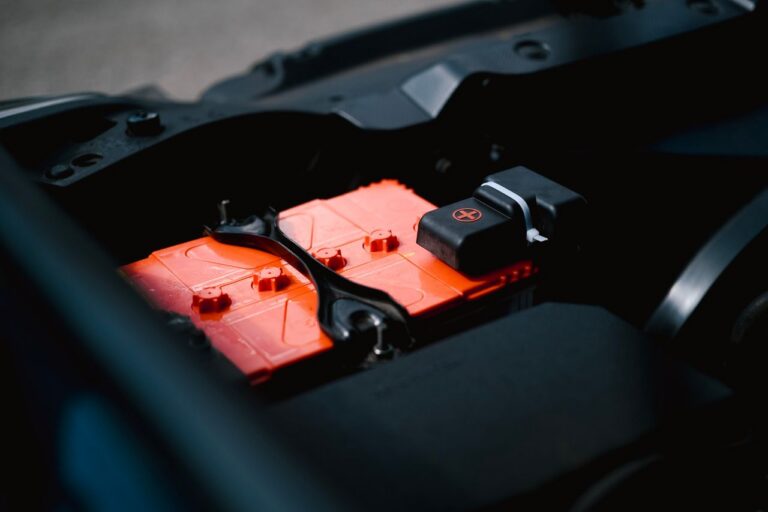
Lithium batteries
Hazardous waste
Each substance receives a UN Number and hazard classification to determine how it must be transported safely.
ADR Hazard Classes
Dangerous goods are divided into nine hazard classes.
Explosives
Materials capable of exploding or creating a blast hazard.
Gases
Compressed, liquefied or dissolved gases including propane and oxygen.
Flammable Liquids
Petrol, diesel, solvents, paints and many industrial chemicals.
Flammable Solids
Materials that ignite easily or react dangerously with water.
Oxidising Substances
Chemicals that intensify fires by releasing oxygen.
Toxic and Infectious Substances
Materials harmful to humans through inhalation, ingestion or contact.
Radioactive Materials
Substances emitting ionising radiation.
Corrosive Substances
Chemicals capable of causing burns or damaging metals.
Miscellaneous Dangerous Goods
Including lithium batteries, environmentally hazardous substances and dry ice.
Correct classification determines every other ADR transport requirement.
ADR Driver Training Requirements
Drivers transporting dangerous goods above exemption limits must hold a valid ADR Driver Training Certificate.
Training normally covers:
ADR legislation
Vehicle safety
Emergency procedures
Fire prevention
Load security
Hazard awareness
Documentation requirements
Practical exercises
The certificate must be renewed periodically to maintain compliance.
Businesses should also provide refresher training whenever regulations change.
Vehicle Requirements Under ADR
Vehicles carrying dangerous goods must meet specific safety standards.
Requirements may include:
Fire extinguishers
Emergency equipment
Wheel chocks
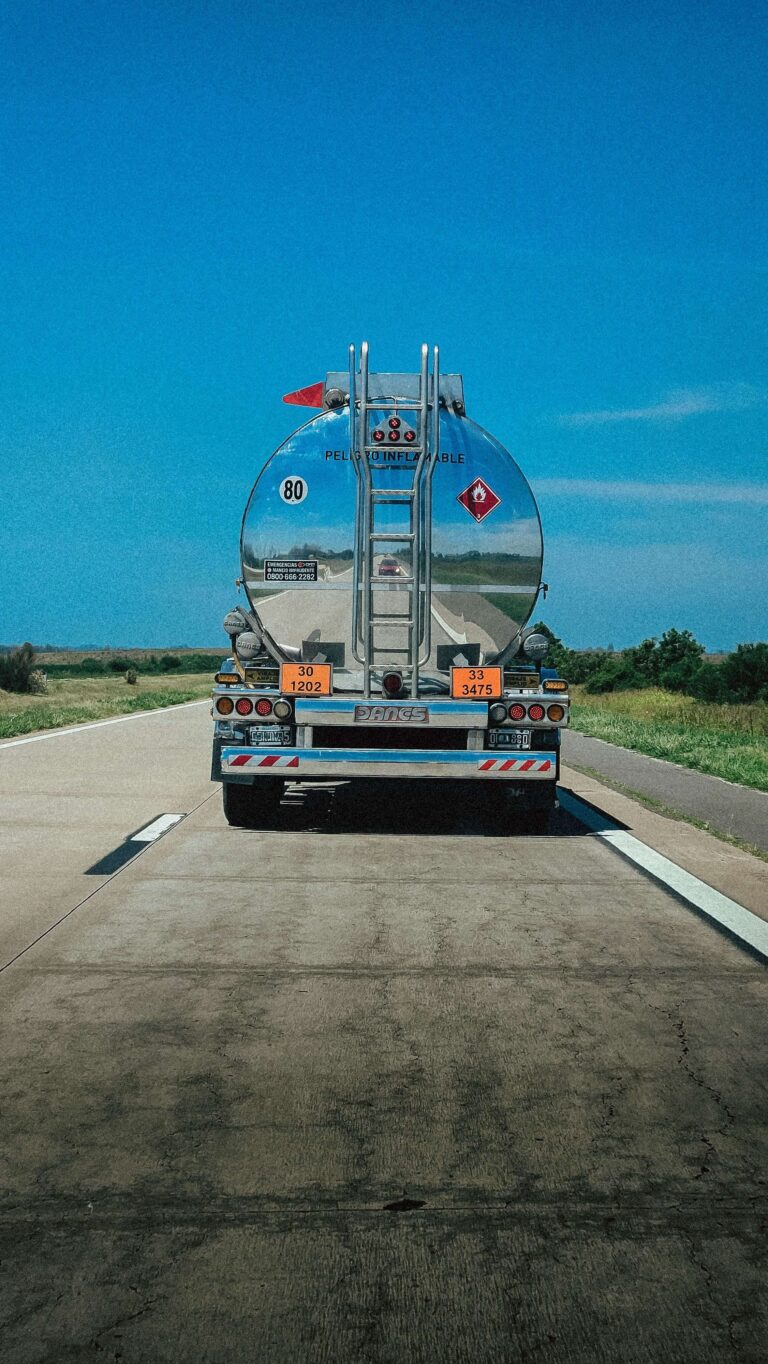
Warning signs
Orange plates
Spill response equipment
Protective clothing
Vehicle inspections
The exact equipment depends on the type and quantity of dangerous goods being transported.
Regular maintenance is equally important to ensure continued compliance.
ADR Documentation Requirements
Proper paperwork is a key part of ADR compliance.
Common documents include:
Dangerous Goods Note (DGN)
Transport document
Waste transfer documentation
Consignment notes
Emergency instructions in writing
Vehicle inspection records
Driver ADR certificate
Accurate documentation enables emergency responders to identify transported materials quickly if an incident occurs.
Incomplete paperwork can delay deliveries and lead to enforcement action.
Packaging and Labelling Rules
Dangerous goods must be packaged using approved containers tested for the materials being transported.
Packaging must:
Prevent leaks
Resist impact
Protect contents during transport
Display correct hazard labels
Show UN numbers
Include handling instructions where required
Incorrect packaging remains one of the most common causes of ADR compliance failures.
Responsibilities of Businesses
ADR compliance extends beyond the transport company.
Responsibilities apply to:
Manufacturers
Importers
Exporters
Consignors
Consignees
Freight forwarders
Warehouse operators
Waste producers
Transport companies
Every organisation involved shares responsibility for ensuring dangerous goods are transported safely.
Common ADR Compliance Mistakes
Many businesses unintentionally breach ADR regulations through simple administrative errors.
Common mistakes include:
Incorrect classification
Missing documentation
Expired driver certificates
Damaged packaging
Missing hazard labels
Improper vehicle equipment
Poor load restraint
Inadequate employee training
Regular audits help identify problems before they become legal issues.
Penalties for non-compliance
Failure to comply with ADR regulations can result in:
Improvement notices
Prohibition notices
Vehicle immobilisation
Financial penalties
Criminal prosecution
Increased insurance costs
Damaged business reputation
The costs of non-compliance often far exceed the investment required for proper ADR training and procedures.
Best Practices for ADR Compliance
Businesses should establish clear procedures to maintain compliance.
Recommended practices include:
Review dangerous goods classifications regularly.
Train all relevant employees.
Maintain accurate transport records.
Inspect vehicles before every journey.
Verify packaging integrity.
Conduct internal compliance audits.
Update procedures following regulatory changes.
Work only with qualified ADR transport providers.
These steps significantly reduce operational risk and support ongoing ADR compliance under dangerous goods law.
Understanding ADR Transport Regulations Explained helps businesses transport dangerous goods legally, safely, and efficiently. ADR regulations cover every stage of the transport process, from classification and packaging to driver training and documentation.
Keeping up to date with ADR requirements reduces risks, prevents costly enforcement action, and demonstrates a commitment to safety and compliance in line with dangerous goods law. By implementing robust procedures and working with experienced ADR transport specialists, UK businesses can move dangerous goods confidently while meeting all legal obligations under current dangerous goods law.