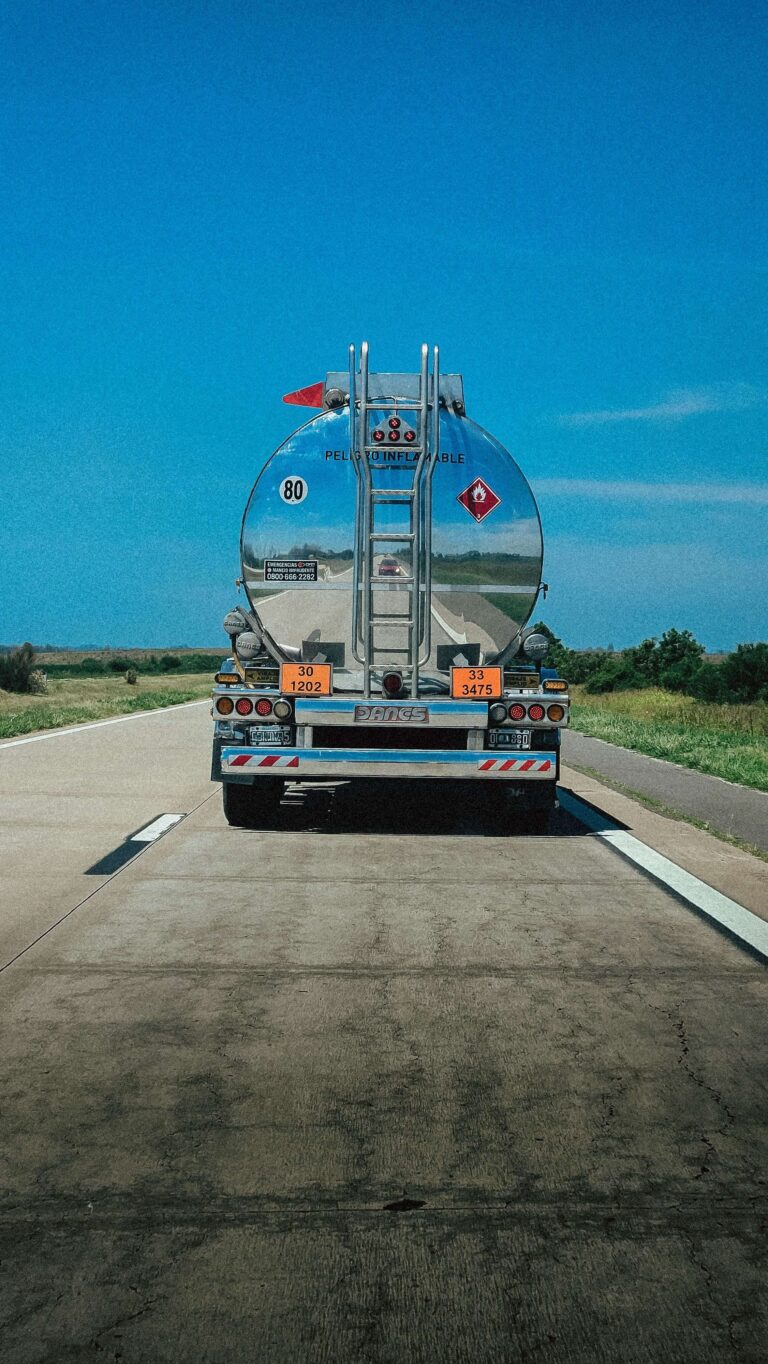
ADR transport is the regulated movement of dangerous goods by road. It ensures hazardous materials are classified, packaged, documented and delivered safely according to UK transport requirements.
What Is ADR Transport?
ADR transport is the legal framework that controls how dangerous goods are moved by road. It covers the handling, packaging, labelling, documentation and transportation of hazardous materials to reduce risks for drivers, businesses, communities and the environment.
UK companies that transport chemicals, lithium batteries, fuel, medical substances or hazardous waste must understand their responsibilities under ADR regulations. Following the correct procedures helps prevent accidents, avoid legal issues and maintain safe supply chain operations.
For businesses managing regulated materials, choosing compliant ADR logistics solutions is essential. Professional transport providers help ensure every stage of the journey follows safety standards, from collection through to final delivery.
How Does ADR Transport Work?
ADR transport follows a structured process designed to control risks associated with dangerous goods.
Before transportation begins, goods must be correctly identified using their UN number, hazard class and packaging requirements. The shipment must then be prepared with suitable labels, documentation and safety measures.
During transit, ADR requirements apply to:
Vehicle suitability
Driver qualifications
Load security
Emergency equipment
Transport documentation
Safe handling procedures
These requirements ensure dangerous goods are moved safely while meeting UK legal obligations.
Why Is ADR Logistics Important for UK Businesses?
ADR logistics plays a vital role for companies that depend on the safe movement of hazardous products. Unlike standard deliveries, dangerous goods require specialist knowledge, trained personnel and strict compliance procedures.
Effective ADR logistics helps businesses:
Reduce transport risks
Protect employees and customers
Prevent environmental incidents
Maintain regulatory compliance
Improve delivery reliability
Avoid unnecessary delays
Industries including manufacturing, healthcare, engineering, chemical production and waste management rely on professional ADR solutions to keep operations running safely.
Which Goods Require ADR Transport?
Many commercial products are classified as dangerous goods and may require ADR-compliant transport.
Common examples include:
Flammable liquids such as solvents and fuels
Corrosive chemicals
Industrial cleaning products
Gas cylinders
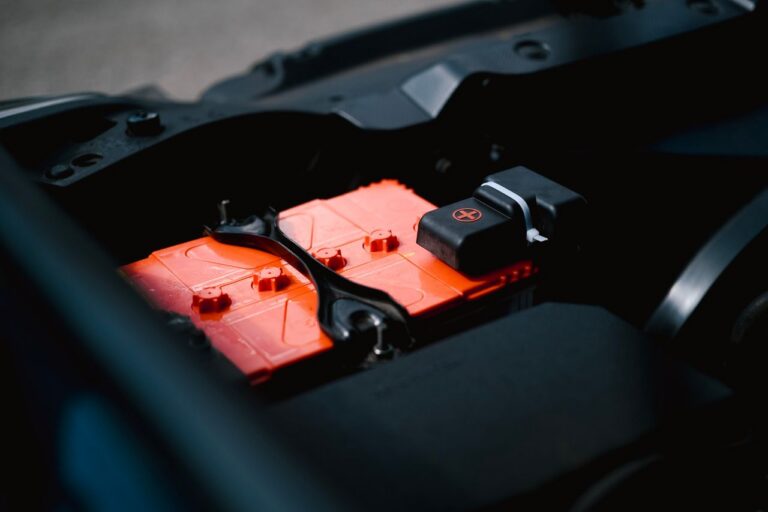
Lithium batteries
Paints and coatings
Pharmaceutical materials
Hazardous waste
Laboratory substances
The classification of the product determines the transport requirements, including packaging standards, vehicle rules and documentation.
ADR Hazard Classes Explained
ADR regulations divide dangerous goods into nine hazard classes:
Class 1: Explosives
Materials that can cause explosions or significant reactions.
Class 2: Gases
Compressed, liquefied or dissolved gases requiring specialist handling.
Class 3: Flammable Liquids
Products such as fuels, solvents and certain chemical mixtures.
Class 4: Flammable Solids
Materials that can ignite easily during transportation.
Class 5: Oxidising Substances
Substances that increase the risk or intensity of combustion.
Class 6: Toxic and Infectious Materials
Products that may cause harm through exposure or contamination.
Class 7: Radioactive Materials
Goods containing radioactive substances requiring specialist controls.
Class 8: Corrosive Materials
Chemicals that can damage skin, equipment or surrounding materials.
Class 9: Miscellaneous Dangerous Goods
Products such as lithium batteries and environmentally hazardous substances.
ADR Driver Responsibilities
ADR drivers require specialist training before transporting regulated goods.
Their responsibilities include checking documentation, inspecting vehicles, securing loads and responding correctly during emergencies.
ADR training helps drivers understand:
Hazard identification
Safe loading procedures
Emergency response
Protective equipment requirements
Vehicle safety checks
Legal responsibilities
Qualified drivers are an important part of maintaining safe and compliant dangerous goods transport operations.
Dangerous Goods Transport Requirements
Dangerous goods transport requires careful planning before every journey.
Businesses must ensure shipments include:
Correct packaging
Accurate labels
Complete transport documents
Appropriate vehicle equipment
Trained personnel
Emergency procedures
Incorrect preparation can result in delivery delays, enforcement action, or increased safety risks.
Professional transport providers help businesses manage these requirements while maintaining reliable delivery schedules.
When Do Businesses Need an ADR Courier UK Service?
Companies often require an ADR courier UK service when transporting urgent or specialist dangerous goods that cannot be handled through standard delivery networks.
ADR courier services are commonly used for:
Time-sensitive chemical deliveries
Laboratory samples
Replacement industrial parts
Lithium battery shipments
Hazardous materials requiring controlled transport
A specialist courier ensures shipments are collected, transported, and delivered using compliant procedures.
Choosing the Right ADR Transport Provider
Selecting a suitable transport partner is essential for businesses handling dangerous goods.
A reliable provider should offer:
Experienced ADR-trained drivers
Suitable vehicles and equipment
Knowledge of multiple hazard classes
Accurate documentation support
Flexible collection options
Safe handling procedures
Strong compliance standards
The right partner helps businesses transport hazardous materials efficiently while reducing operational risks.
Common ADR Compliance Mistakes
Businesses can face problems when ADR requirements are overlooked.
Common mistakes include:
Incorrect classification of goods
Missing labels
Poor packaging choices
Incomplete paperwork
Using untrained drivers
Incorrect vehicle preparation
Regular compliance checks help identify potential issues before they affect operations.
Understanding ADR transport is essential for UK businesses that handle dangerous goods and hazardous materials. From correct classification and packaging to trained drivers, accurate documentation and compliant vehicles, every stage of the process helps reduce risks and maintain legal compliance.
By working with reliable ADR logistics solutions, businesses can ensure dangerous goods transport is carried out safely, efficiently and responsibly. Whether moving chemicals, lithium batteries, hazardous waste or other regulated materials, following ADR requirements protects employees, customers, communities and the environment while supporting smooth business operations.