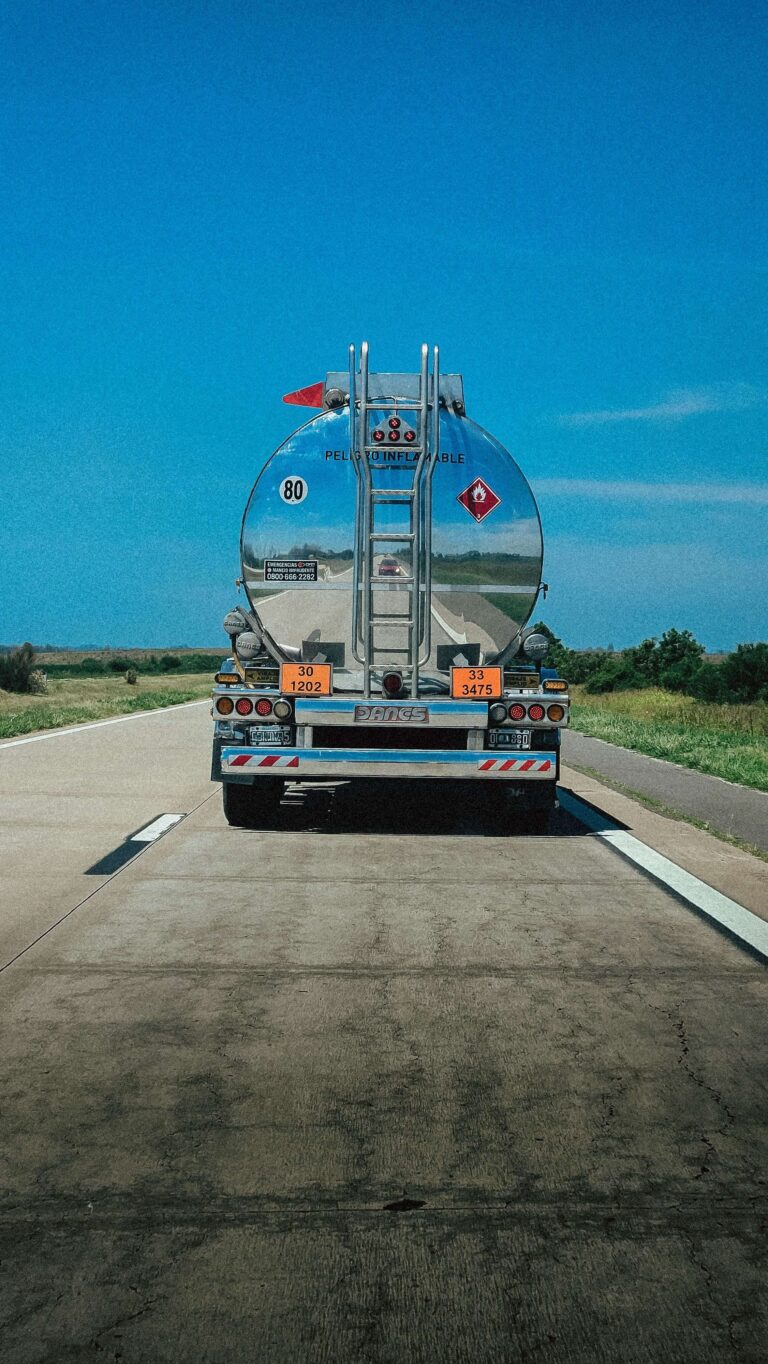
Transporting chemicals requires careful planning, legal compliance, and safe handling. Understanding how to transport chemicals safely by road is essential for businesses that move hazardous materials throughout the UK. Whether transporting industrial chemicals, laboratory products, cleaning agents, or dangerous goods, following chemical transport regulations and ADR requirements helps reduce risks while protecting people, property, and the environment. Choosing professional safe chemical transport services also helps businesses maintain compliance and deliver hazardous goods securely.
Why Safe Chemical Transport Matters
Every business involved in transporting hazardous chemicals has a legal responsibility to protect employees, the public, and the environment. Chemical spills, leaks, fires, and contamination can occur if the correct procedures are not followed. Complying with current chemical transportation regulations reduces these risks while helping businesses avoid fines, delivery delays, damaged goods, and unnecessary operational disruption.
Adhering to recognised chemical transportation regulations shows a commitment to workplace safety and environmental responsibility.
How to Transport Chemicals Safely by Road
Following a structured process is the most effective way to ensure safe chemical transport while meeting UK legal requirements.
Identify the Chemical Classification
The first step in transporting chemicals safely is identifying the correct hazard classification. Every chemical is assigned a UN number and hazard class that determines the required packaging, vehicle markings, documentation, and handling procedures.
Common hazardous chemicals include:
- Flammable liquids
- Corrosive substances
- Toxic chemicals
- Oxidising agents
- Environmentally hazardous substances
Accurate classification is essential for complying with chemical transport regulations and ensuring every shipment is transported safely.
Use Approved Packaging
Packaging plays a critical role in safe chemical transport. Containers must be approved for dangerous goods, suitable for the chemical being transported, and capable of preventing leaks during transit.
Before every journey, inspect packaging for damage, corrosion, or signs of contamination. Using compliant packaging reduces environmental risks and supports compliance with chemical transportation regulations.
Label Shipments Correctly
Correct labelling is essential when transporting hazardous chemicals. Every package should display the appropriate hazard labels, UN number, and handling information.
Clear identification enables drivers, warehouse staff, emergency responders, and customers to recognise hazards immediately. Incorrect or missing labels can lead to legal penalties and unnecessary safety risks.
Complete ADR Documentation
Every chemical shipment should travel with accurate ADR documentation. This typically includes transport documents, emergency instructions, and any additional paperwork required for specific dangerous goods.
Maintaining complete records supports compliance with transportation of chemicals regulations, improves traceability, and enables emergency services to respond effectively if an incident occurs.
Train Drivers Properly
ADR-qualified drivers play a vital role in how to transport chemicals safely. Appropriate training ensures drivers understand hazard classifications, vehicle requirements, emergency procedures, and legal responsibilities.
Regular refresher training keeps drivers informed of updates to chemical transport regulations while maintaining high safety standards across every journey.
Follow UK ADR Regulations
The UK follows the ADR Agreement governing the carriage of dangerous goods by road. These chemical transport regulations cover vehicle standards, packaging, documentation, driver qualifications, hazard labels, emergency equipment, and safe loading procedures.
Businesses that follow ADR requirements significantly reduce transport risks while ensuring legal compliance for transporting hazardous chemicals throughout the UK.
Storage and Transport of Chemicals
The storage and transport of chemicals are equally important for maintaining safety throughout the supply chain. Chemicals should be stored securely before collection and after delivery, with incompatible substances kept separate to prevent dangerous reactions.
Proper storage conditions preserve product quality, minimise environmental risks, and support compliance with chemical transportation regulations from dispatch to final delivery.
Businesses requiring specialist chemical transport services should ensure their logistics provider follows ADR standards and industry best practices throughout every stage of the journey.
Best Practices for Safe Chemical Transport
Successful safe chemical transport goes beyond meeting minimum legal requirements. Businesses should inspect vehicles before every journey, secure loads correctly, plan efficient delivery routes, carry appropriate spill response equipment, monitor shipments from collection to delivery, and maintain regular vehicle maintenance records.
These practical measures improve operational efficiency, reduce transport risks, and ensure ongoing compliance with transportation of chemicals regulations.
Understanding how to transport chemicals safely by road helps businesses protect employees, customers, and the environment while complying with UK legislation. Following chemical transport regulations, using approved packaging, maintaining accurate documentation, and employing ADR-qualified drivers all contribute to safer operations. By adopting best practices for safe chemical transport, businesses can transport hazardous chemicals confidently, reduce operational risks, and maintain full regulatory compliance across the UK.