Understanding How Dangerous Goods Are Safely Transported Across the UK
Dangerous goods are safely transported across the UK by following strict ADR regulations, using compliant vehicles, approved packaging, qualified drivers and detailed transport procedures.
following strict ADR regulations,
using compliant vehicles,
approved packaging,
qualified drivers
and detailed transport procedures.
Every stage of the journey is carefully planned to reduce risk, protect people and the environment, and ensure hazardous materials arrive safely, securely and in full compliance with UK legislation. Whether transporting chemicals, fuels, gases, batteries or other regulated substances, businesses must meet legal requirements designed to maintain safety throughout the supply chain.
How Dangerous Goods Are Safely Transported Across the UK
Dangerous goods are safely transported across the UK by following strict ADR regulations that govern how hazardous materials are:
classified,
packaged,
labelled,
documented
and carried by road.
Every shipment is handled by trained professionals using compliant vehicles, approved packaging and detailed safety procedures to minimise risks throughout the journey. Careful route planning, accurate documentation and regular vehicle inspections further ensure that dangerous goods reach their destination safely while protecting people, property and the environment and maintaining full legal compliance.
Careful route planning,
accurate documentation
and regular vehicle inspections further ensure that dangerous goods reach their destination safely while protecting people, property and the environment and maintaining full legal compliance.
ADR Regulations Provide the Legal Framework
ADR legislation provides the legal framework for transporting dangerous goods by road across the UK and Europe. These regulations establish how hazardous materials must be:
classified,
packaged,
labelled,
documented
and handled before they can be transported.
Every shipment is assigned a hazard class and UN number to identify the risks involved, allowing carriers, warehouse staff and emergency responders to take the correct precautions. Following ADR requirements helps businesses remain compliant while reducing the likelihood of accidents, environmental damage and costly delays.
Correct Classification Reduces Transport Risks
Correct classification is one of the most important steps before dangerous goods are moved. Each substance has unique physical and chemical properties that determine how it should be packaged, labelled and transported. Incorrect classification can result in unsuitable handling procedures, increasing the risk of leaks, fires, contamination or legal penalties. Accurate identification ensures every shipment receives the correct level of protection throughout its journey.
Approved Packaging Protects Dangerous Goods
Packaging plays a critical role in preventing incidents during transport. Dangerous goods must be placed in UN-approved containers that have been tested for:
durability,
leak resistance
and impact protection.
Packaging must remain secure during loading, unloading and transit while protecting the contents from damage caused by:
vibration,
weather conditions
or normal road movement.
Clear:
hazard labels,
handling instructions
and transport markings
allow everyone involved in the logistics process to identify potential hazards immediately and handle consignments safely.
ADR Qualified Drivers Ensure Safe Transport
Professional drivers are equally important in maintaining transport safety. Drivers carrying regulated dangerous goods must hold a valid ADR Driver Training Certificate and understand the legal responsibilities associated with transporting hazardous materials. Their training covers:
load security,
emergency procedures,
vehicle inspections,
safe handling practices
and the correct completion of transport documentation.
Businesses that use an ADR courier benefit from experienced professionals who understand current legislation and apply best practice throughout every delivery.
ADR Transport UK Uses Specialist Vehicles
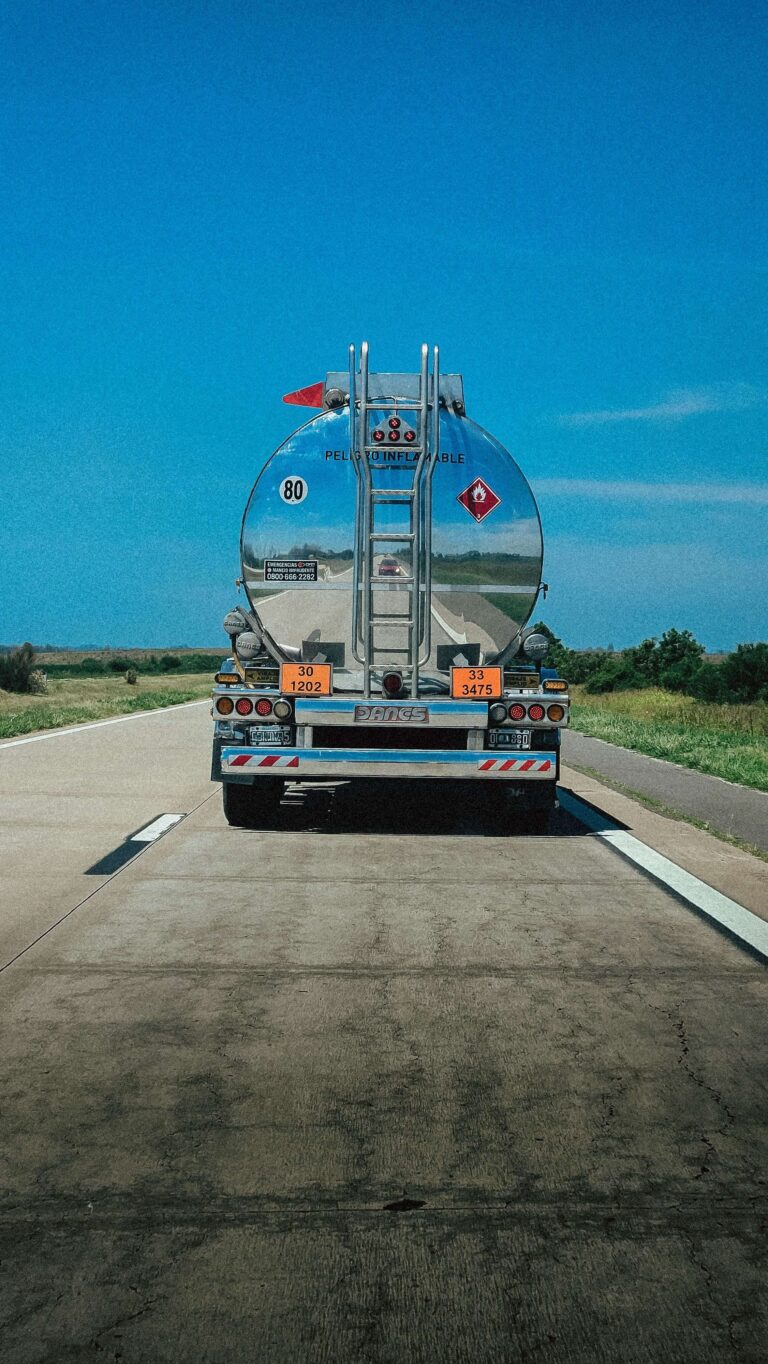
Vehicles used for ADR transport UK operations are equipped to meet strict safety standards. Depending on the type of dangerous goods being carried, vehicles may contain:
fire extinguishers,
spill response equipment,
wheel chocks,
warning signs
and personal protective equipment.
Regular inspections ensure vehicles remain roadworthy and suitable for transporting hazardous materials. Many transport operators also use GPS tracking and route monitoring to improve efficiency, increase security and provide customers with accurate delivery updates.
Hazardous Goods Logistics Depend on Accurate Documentation
Accurate documentation is essential for every dangerous goods shipment. Transport documents include:
the proper shipping name,
UN number,
hazard class,
packing group
and emergency response information.
Drivers must carry these documents throughout the journey so that enforcement officers and emergency services can quickly identify the materials being transported if an incident occurs. Complete documentation also supports regulatory compliance and helps businesses demonstrate that every shipment has been prepared correctly.
Journey Planning Improves Hazardous Goods Logistics
Effective hazardous goods logistics relies on careful planning before any vehicle leaves the depot. Transport providers assess:
delivery routes,
road restrictions,
weather conditions,
collection schedules
and potential hazards
to minimise risk during transit. Loads are checked to ensure they are:
correctly secured
and evenly distributed, reducing movement that could compromise packaging or vehicle stability.
Careful route planning also helps avoid unnecessary delays while improving overall transport efficiency.
Continuous Safety Monitoring During Transport
Safety does not end once a vehicle is on the road. Throughout the journey, drivers remain alert to changing road conditions, traffic incidents and weather that could affect safe transport. Vehicles undergo:
routine maintenance,
and transport companies regularly review their operational procedures to ensure they continue meeting current ADR requirements.
Ongoing staff training
and continuous compliance monitoring help maintain high safety standards while supporting reliable nationwide transport services.
Choosing an Experienced ADR Transport Provider
Businesses transporting dangerous goods also benefit from working closely with experienced logistics providers that understand changing legislation and industry requirements. Specialist transport companies invest in:
qualified personnel,
modern vehicles
and robust compliance procedures
to ensure every shipment is handled professionally. Their expertise helps reduce operational risks, improve delivery reliability and protect businesses from the financial consequences of non-compliance.
Safe transport depends on every part of the process working together. Accurate classification, compliant packaging, qualified drivers, specialist vehicles, complete documentation and thorough journey planning all contribute to moving hazardous materials safely across the country. By following ADR regulations and maintaining high operational standards, businesses can transport dangerous goods across the UK with confidence while protecting employees, customers, communities and the environment.