Understanding the difference between dangerous goods and hazardous waste is essential for businesses that manufacture, store, transport or dispose of potentially harmful materials. Although these terms are often used interchangeably, they refer to different legal classifications with separate regulatory requirements. Misclassifying materials can result in compliance failures, environmental harm, transport delays and financial penalties. Knowing how each category is defined helps businesses protect employees, the public and the environment while meeting their legal obligations. If you’re asking dangerous goods vs hazardous waste what’s the difference, this comparison of dangerous goods and hazardous waste outlines the core legal distinctions and practical implications.
Dangerous Goods vs Hazardous Waste: What’s the Difference?
Dangerous Goods
At its simplest, dangerous goods are substances or articles that pose a risk during transport, whereas hazardous waste is waste that could harm human health or the environment if it is not stored, treated or disposed of correctly. Some materials can fall into both categories, meaning businesses must comply with both transport legislation and environmental regulations.
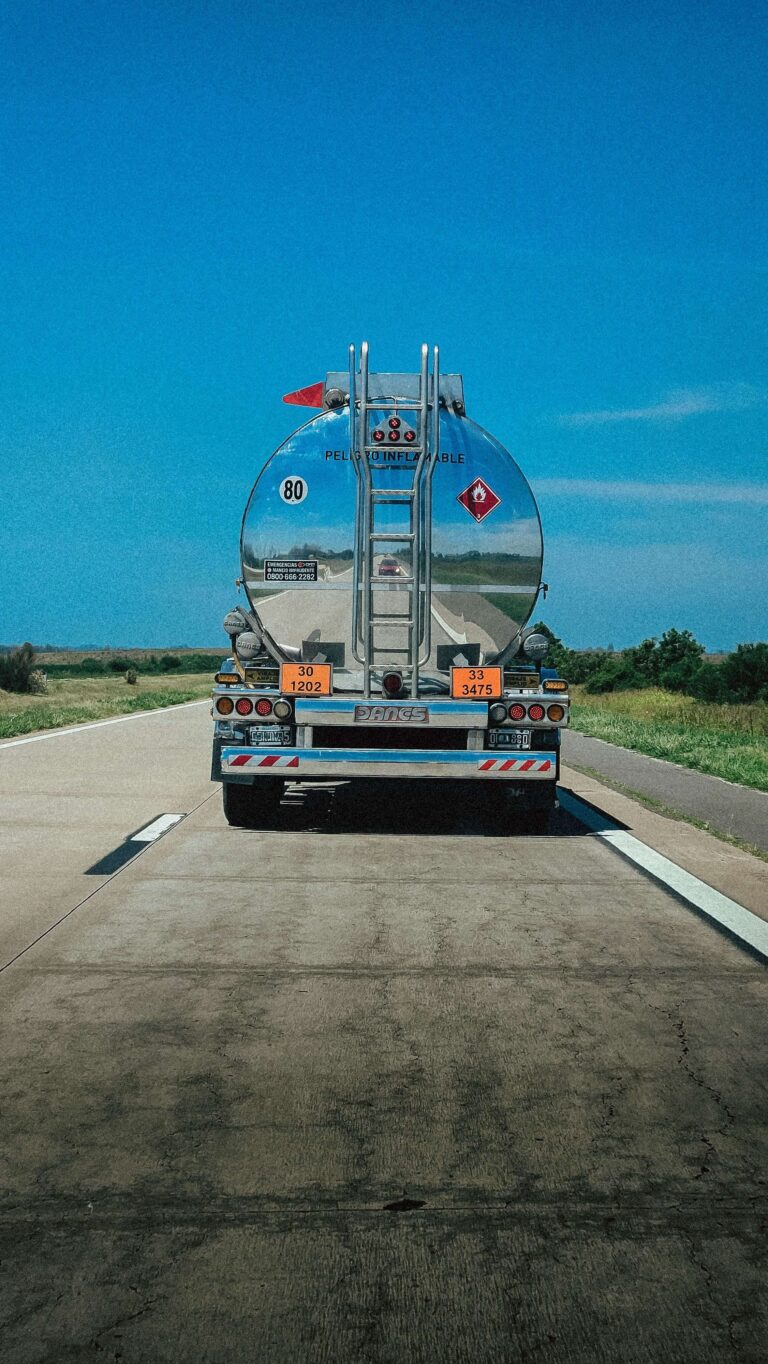
Dangerous goods include materials that present hazards while being moved by road, rail, sea or air. These hazards may involve fire, explosion, toxicity, corrosion or chemical reactions that could endanger people, property or the environment during transportation. Because of these risks, dangerous goods must be classified, packaged, labelled and transported according to strict legal standards and relevant dangerous goods regulations. The type of packaging used, the documentation carried with the load and the training provided to drivers all play an important role in reducing the likelihood of accidents.
Hazardous waste, by comparison, relates to materials that have reached the end of their useful life and require safe management before disposal, recycling or recovery. Waste becomes hazardous when it contains properties that make it harmful, such as being toxic, flammable, corrosive, infectious or environmentally dangerous. The primary concern is preventing pollution and ensuring waste does not threaten public health or natural ecosystems.
The difference becomes clearer when considering the lifecycle of a product. A new container of flammable solvent being delivered to a customer is classified as dangerous goods because it presents a transport risk. After the solvent has been used and becomes waste, it may then be classified as hazardous waste because it requires specialist collection and treatment. The material itself may remain hazardous, but the legal framework changes depending on whether it is being transported as a product or managed as waste.
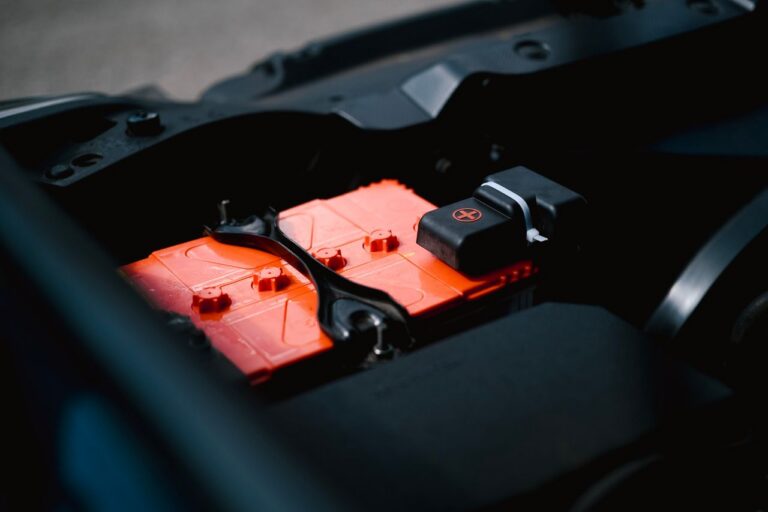
Many businesses encounter materials that are both dangerous goods and hazardous waste. Used chemicals, waste paint, contaminated solvents, waste fuel, industrial acids, laboratory chemicals and damaged lithium batteries are common examples. In these situations, organisations must satisfy both transport and environmental legislation. This includes ensuring the material is correctly classified, stored safely, packaged in approved containers, accompanied by the correct documentation and transferred to authorised treatment or recycling facilities.
Dangerous goods are classified using internationally recognised hazard classes that identify the primary risks associated with transport. These classes cover explosives, gases, flammable liquids, flammable solids, oxidising substances, toxic materials, radioactive substances, corrosive chemicals and miscellaneous dangerous substances. Each dangerous good is assigned a UN Number, allowing emergency responders, transport operators and regulatory authorities to identify the material quickly and apply the correct handling procedures.
Hazardous Waste
Hazardous waste is classified differently. Waste producers must determine the type of waste they generate, identify any hazardous properties and assign the correct waste classification before arranging collection. Proper classification ensures waste follows the appropriate disposal or recycling route and prevents dangerous substances from entering landfill or contaminating the environment. Accurate records must also be maintained to demonstrate compliance during inspections or audits.
Understanding dangerous goods vs hazardous waste is particularly important because businesses often assume one set of regulations covers every situation. In reality, transport legislation focuses on reducing risks while materials are in transit, whereas hazardous waste legislation governs how waste is stored, handled, recovered and disposed of after use. Applying the wrong requirements can lead to enforcement action, prosecution and significant financial costs.
Hazardous waste transport requires additional care because waste materials may be unstable, contaminated or mixed with other substances. Businesses should assess every waste stream before transportation to ensure the correct packaging, labelling and documentation are used. Appropriate storage before collection is equally important, as poor containment increases the risk of leaks, fires and environmental pollution.
ADR waste refers to hazardous waste that also meets the criteria for transport under ADR regulations. Examples include waste solvents, contaminated fuels, waste chemicals and certain battery waste. Because these materials present risks during transportation, organisations must comply with both environmental legislation and ADR requirements. This may involve using approved packaging, displaying hazard labels, preparing transport documents and ensuring personnel receive suitable training.
Compliance is not only about following legislation but also about protecting business operations. Incorrect classification or poor handling can delay shipments, increase disposal costs, invalidate insurance and damage an organisation’s reputation. Businesses that implement clear procedures for identifying hazardous materials, maintaining records and training staff are better prepared for inspections and less likely to experience costly compliance issues.
Regular reviews of waste streams and transport procedures also support continuous improvement. As operations change, new products are introduced or regulations are updated, businesses should reassess their processes to ensure continued compliance. Staff should understand the differences between products being transported and waste awaiting disposal so that each material is managed under the correct legal framework.
Ultimately, understanding dangerous goods vs hazardous waste enables organisations to make informed decisions throughout the entire lifecycle of hazardous materials. Dangerous goods regulations are designed to minimise risks during transport, while hazardous waste legislation protects people and the environment once materials become waste. Recognising where these responsibilities overlap allows businesses to improve safety, maintain legal compliance and reduce environmental impact. By classifying materials correctly, following appropriate transport procedures and managing hazardous waste responsibly, organisations can protect their workforce, support sustainable waste management and demonstrate a strong commitment to regulatory compliance.