Transporting fertiliser across the UK is not always as straightforward as loading products onto a vehicle.
Some fertilisers are completely exempt from ADR requirements, while others fall under strict dangerous goods legislation because they contain oxidising substances or hazardous chemicals. Understanding the rules helps businesses remain legally compliant, avoid fines, reduce risks, and protect drivers, the public, and the environment.
What Is ADR?
ADR stands for the European Agreement concerning the International Carriage of Dangerous Goods by Road. Although originally created for international transport, ADR regulations also apply to domestic road transport throughout the UK for many dangerous goods.
ADR establishes legal requirements covering:
Dangerous goods classification
Approved packaging
Vehicle standards
Driver ADR training
Documentation
Vehicle marking and placarding
Emergency response procedures
Loading and unloading requirements
The regulations help reduce accidents involving hazardous materials while ensuring dangerous goods are transported safely.
Do You Need ADR to Transport Fertiliser?
The simple answer is:
Sometimes. The answer depends on the type of fertiliser, its chemical composition, how much you are transporting, and whether it is classified as dangerous goods under ADR regulations.
Not every fertiliser is classified as dangerous goods.
Whether ADR applies depends on several factors:
Chemical composition
UN classification
Oxidising properties
Quantity transported
Packaging type
Concentration of hazardous substances
Many standard agricultural fertilisers are transported without ADR requirements. However, fertilisers containing high concentrations of ammonium nitrate often fall within ADR regulations.
Before arranging transport, always identify the product’s Safety Data Sheet (SDS) and UN Number.
Which Fertilisers Require ADR?
Certain fertilisers present higher risks because they may intensify fires or contribute to dangerous chemical reactions.
Examples include:
Ammonium nitrate fertilisers
Oxidising fertiliser mixtures
Certain nitrate-based compounds
Hazardous chemical fertilisers
Industrial-grade fertiliser chemicals
Many ammonium nitrate products are classified under:
UN 1942
UN 2067
Other applicable ADR classifications depending on composition
These products usually fall into ADR Class 5.1 – Oxidising Substances.
When classified as ADR, they must be transported in accordance with approved procedures.
Which Fertilisers Are Usually Exempt?
Many fertiliser products do not require ADR.
Examples may include:
Organic fertilisers
Compost products
Manure-based fertilisers
Low-risk soil conditioners
Certain NPK fertilisers
Garden fertilisers without hazardous classification
However, exemptions should never be assumed.
Always verify:
Product classification
SDS information
Manufacturer guidance
Current ADR regulations
Why Are Some Fertilisers Dangerous?
Some fertilisers become hazardous because they contain chemicals that support combustion.
Although they may not burn themselves, oxidising fertilisers can:
Intensify fires
Increase explosion risks
React with combustible materials
Produce toxic gases during fires
Cause environmental contamination if released
Because of these risks, ADR introduces additional transport controls.
ADR Requirements for Fertiliser Transport
If the fertiliser falls under ADR, transport companies must follow several legal requirements.
Correct Classification
Every dangerous fertiliser must be classified correctly before transport.
This includes:
UN Number
Proper Shipping Name
ADR Class
Packing Group (where applicable)
Tunnel restriction code
Incorrect classification can lead to legal penalties.
Approved Packaging
ADR-approved packaging helps prevent leaks, contamination and product loss.
Packaging must be:
Strong
Damage resistant
Suitable for the product
Correctly labelled
Properly sealed
Damaged bags or containers should never be transported.
Vehicle Requirements
Vehicles transporting dangerous fertilisers may require:
ADR equipment
Fire extinguishers
Warning triangles
Spill kits
Wheel chocks
Emergency instructions
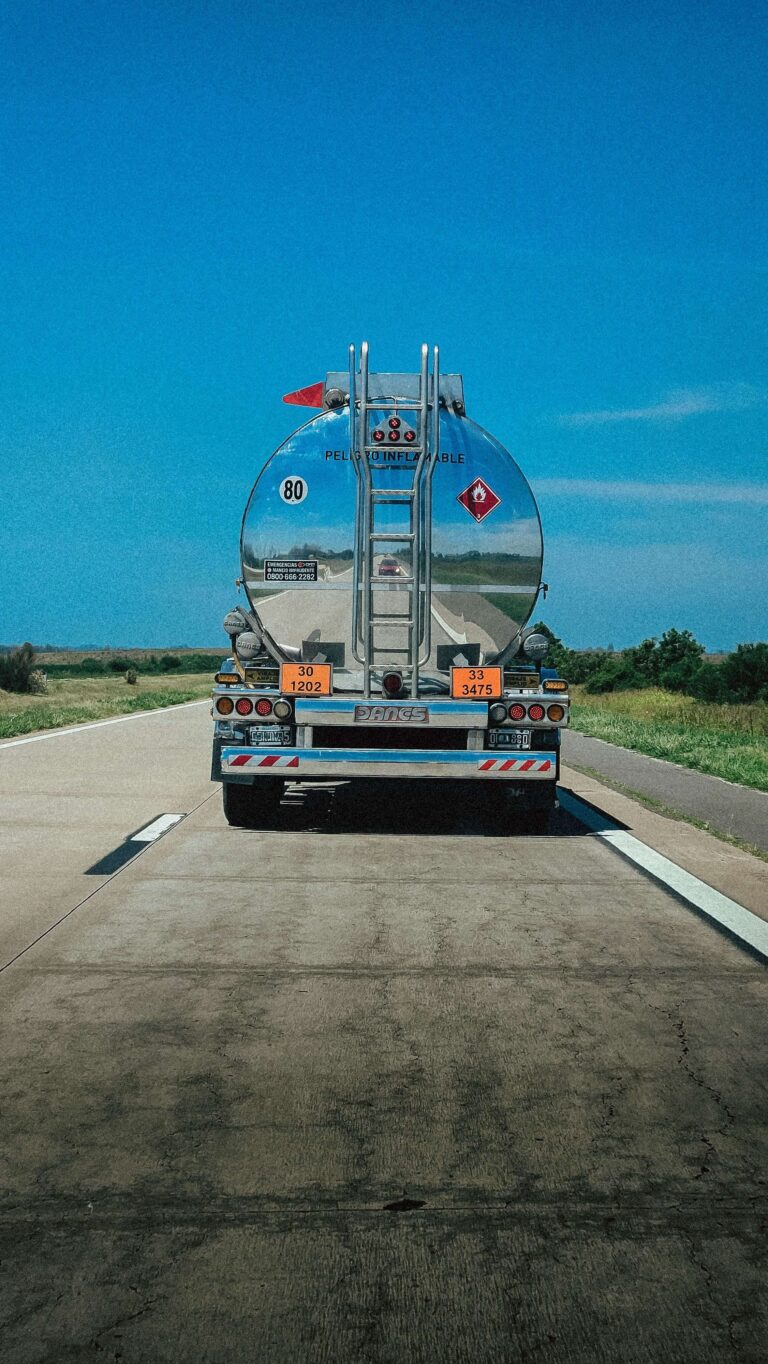
Orange ADR plates
Requirements depend on the quantity and classification.
ADR Driver Training
Drivers transporting ADR loads must hold a valid ADR Driver Training Certificate.
Training includes:
Dangerous goods awareness
Emergency procedures
Fire prevention
Safe loading
Vehicle inspections
Documentation
Incident reporting
This training significantly improves transport safety.
Documentation Required
ADR transport requires accurate paperwork.
Typical documents include:
Dangerous Goods Note (DGN)
Transport document
Safety Data Sheet
Emergency instructions
Consignment details
Driver documentation
Incorrect paperwork can delay deliveries and result in enforcement action.
Quantity Matters
ADR rules often depend on the quantity being transported.
Small loads may qualify for:
Limited Quantity (LQ)
Excepted Quantity
Load threshold exemptions
Larger commercial deliveries usually require full ADR compliance.
Never assume an exemption applies without checking the latest regulations.
Safe Loading Practices
Safe loading reduces the likelihood of accidents during transport.
Best practices include:
Secure every pallet
Prevent damaged packaging
Separate incompatible chemicals
Protect products from moisture
Avoid excessive stacking
Check vehicle stability
Inspect the load before departure
Proper load security also protects road users.
Common Industries That Transport Fertiliser
Many sectors regularly transport fertiliser products.
These include:
Agriculture
Farming
Horticulture
Landscaping
Garden centres
Chemical manufacturers
Industrial suppliers
Distribution companies
Each industry has legal responsibilities under ADR when dangerous goods are involved.
Penalties for Non-Compliance
Ignoring ADR regulations can have serious consequences.
Potential penalties include:
Financial penalties
Prohibition notices
Delivery delays
Vehicle immobilisation
Insurance complications
Criminal prosecution
Environmental clean-up costs
Compliance protects businesses as well as public safety.
How to Check Whether Your Fertiliser Requires ADR
Before arranging transport, ask the supplier for:
Safety Data Sheet (SDS)
UN Number
ADR classification
Hazard labels
Packing Group
Transport recommendations
If the documentation identifies the product as dangerous goods, ADR rules are likely to apply.
When unsure, consult an experienced ADR transport specialist before booking transport.
Best Practices for Businesses
Businesses can improve compliance by following several simple steps.
Review the latest SDS before every shipment.
Verify the product classification.
Use ADR-approved packaging where required.
Keep documentation accurate.
Train staff handling dangerous goods.
Choose qualified ADR transport providers.
Carry out regular compliance checks.
Maintain accurate shipment records.
These measures reduce risk while supporting efficient deliveries.