Whether you need an ADR licence to carry gas bottles depends on the type of gas, the quantity being transported, and whether the load exceeds the exemption limits set under the ADR regulations. In many cases, small quantities can be transported legally without an ADR licence, and you may not need ADR to transport gas bottles if the load stays within those limits. However, larger loads or the transport of commercial dangerous goods usually require full ADR compliance and, in many cases, an ADR licence for gas bottles.
Understanding the rules helps businesses avoid fines, improve road safety, and transport compressed gases legally throughout the UK.
When Is an ADR Licence Required to Carry Gas Bottles?
An ADR licence is generally required when transporting gas bottles containing dangerous goods above the permitted exemption thresholds.
You will normally need an ADR-qualified driver if:
The load exceeds ADR limited quantity exemptions.
Gas cylinders contain hazardous compressed, liquefied, or dissolved gases.
The transport is part of commercial dangerous goods operations.
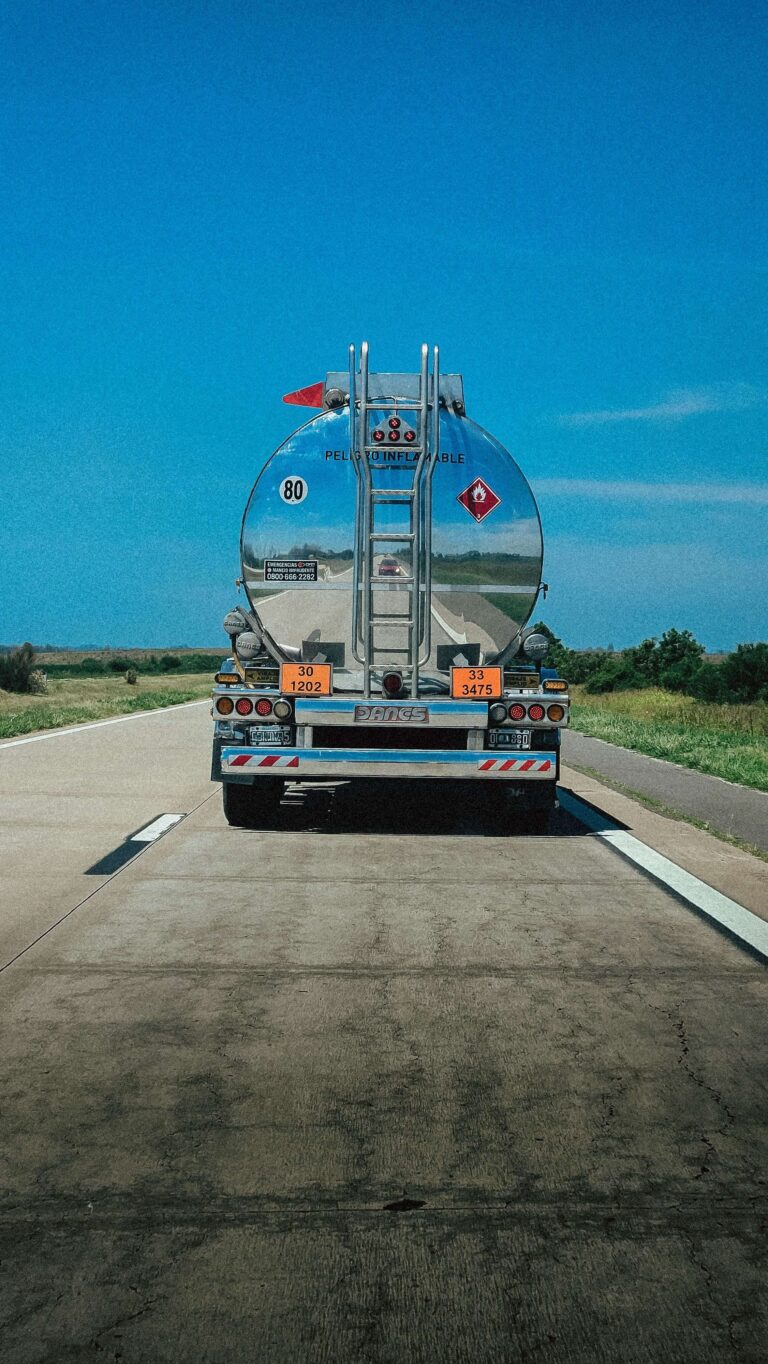
The vehicle must display ADR orange plates.
Transport documentation is required under ADR regulations.
Professional transport companies should always assess each shipment before moving gas cylinders by road.
When You May Not Need an ADR Licence
Not every delivery requires an ADR licence.
Common exemptions include:
Small quantities within ADR load limits.
Certain maintenance or service vehicles.
Private individuals transporting small amounts for personal use.
Some gases transported under specific exemption provisions.
Even where exemptions apply, drivers must still transport gas bottles safely using suitable restraint systems and approved packaging.
Which Gas Bottles Are Covered?
ADR regulations apply to many compressed gases, including:
Propane cylinders
Butane bottles
Oxygen cylinders
Nitrogen cylinders
Carbon dioxide cylinders
Acetylene cylinders
Argon cylinders
Helium cylinders
Refrigerant gases
Each product has its own UN number, hazard classification, and transport requirements.
ADR Safety Requirements
When transporting gas bottles commercially, businesses should follow several important safety measures.
These include:
Securing cylinders to prevent movement.
Keeping protective valve caps fitted.
Using correctly labelled cylinders.
Carrying required transport documents.
Checking vehicles before every journey.
Ensuring emergency equipment is available where required.
Following loading and unloading procedures.
Training employees in hazardous goods handling.
Good preparation significantly reduces the risk of leaks, fires, or accidents.
Risks of Carrying Gas Bottles Incorrectly
Transporting gas cylinders without following ADR requirements can result in:
Financial penalties.
Vehicle prohibition notices.
Insurance complications.
Criminal prosecution.
Increased risk of injury.
Damage to property and the environment.
Businesses remain responsible for ensuring legal compliance throughout the journey.
Benefits of ADR Compliance
Following ADR regulations offers several advantages:
Improved road safety.
Legal compliance.
Reduced business risk.
Better protection for drivers.
Increased customer confidence.
Lower likelihood of enforcement action.
Safer transport operations.
Working with experienced ADR transport specialists helps ensure every shipment meets current UK requirements and clarifies when an ADR licence for gas bottles is needed.
So, Do You Need an ADR Licence to Carry Gas Bottles?
In many commercial situations, yes. The requirement depends on the quantity transported, the type of gas, and whether ADR exemption limits apply. Understanding these rules helps businesses stay compliant, reduce risks, and protect everyone involved in dangerous goods transport. When in doubt, seek professional ADR advice before transporting gas bottles by road.