Understanding the ADR hazard classes and broader ADR classes is essential for any business that transports, stores, manufactures, or manages hazardous materials. The European Agreement concerning the International Carriage of Dangerous Goods by Road (ADR) establishes a standard system of hazard classifications that identifies the risks associated with dangerous substances during road transport. These dangerous goods classes help businesses apply the correct packaging, labelling, documentation and handling procedures while meeting legal requirements. Whether transporting chemicals, fuel, batteries or industrial waste, correctly identifying the appropriate ADR class improves safety, protects the environment and reduces the risk of costly compliance failures. In short, this guide presents the 9 ADR hazard classes explained in practical terms for everyday operations.
ADR classifies dangerous goods into nine categories, often referred to as ADR hazard classes, based on the primary hazard presented during transport. Each classification determines how goods should be packaged, labelled, loaded, segregated and transported. It also influences vehicle requirements, driver training, emergency procedures and transport documentation.
The 9 ADR Hazard Classes Explained
Businesses involved in dangerous goods transport must understand these classifications to ensure every shipment complies with UK and international regulations.
Class 1 — Explosives
Class 1 covers explosives and substances capable of producing a rapid release of gas, heat and pressure. These materials present a significant risk of explosion if exposed to impact, friction or high temperatures. Common examples include fireworks, detonators, ammunition and commercial explosives used in mining and construction. Transporting Class 1 goods requires strict security measures, specialist vehicles, approved packaging and carefully planned routes to minimise risk.
Class 2 — Gases
Class 2 includes gases stored under pressure and is divided into flammable gases, non-flammable non-toxic gases and toxic gases. Propane, butane, oxygen, carbon dioxide, acetylene and chlorine are all examples of substances within this category. Compressed gases can present fire, explosion, toxicity or asphyxiation hazards depending on their properties. Proper cylinder storage, ventilation and leak prevention are essential throughout transport.
Class 3 — Flammable Liquids
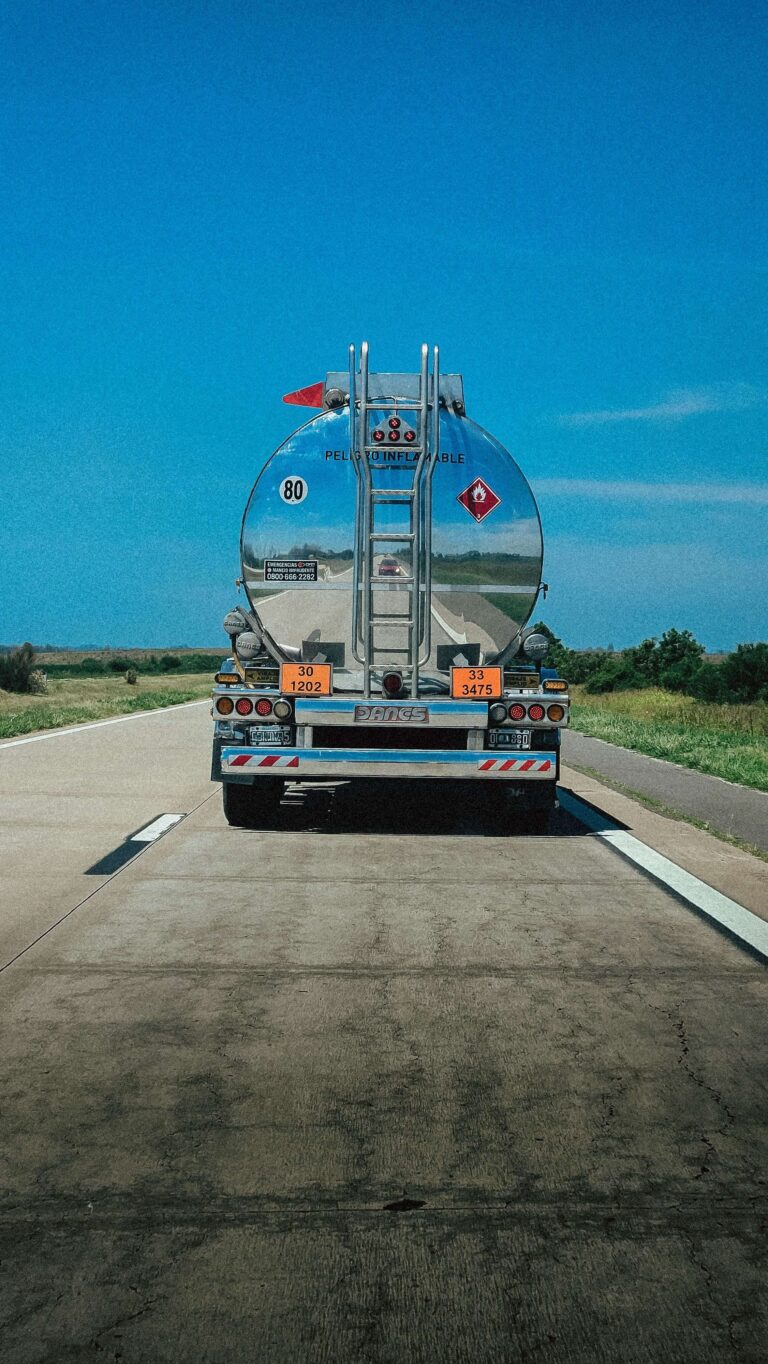
Class 3 relates to flammable liquids with low flash points that can produce ignitable vapours. Petrol, diesel, ethanol, solvents, paints, adhesives and acetone are among the most commonly transported Class 3 products. These materials require approved leak-resistant containers, ignition source control and appropriate hazard labels. Businesses transporting flammable liquids must ensure containers remain securely sealed and protected against damage throughout the journey.
Class 4 — Flammable Solids
Class 4 is divided into three separate hazard classifications because the substances behave differently under transport conditions. Class 4.1 includes flammable solids that ignite more easily than ordinary combustible materials. Sulphur, matches and certain metal powders fall into this category. Class 4.2 contains substances liable to spontaneous combustion, including white phosphorus and oily materials that may self-heat when exposed to air. Class 4.3 covers substances that become dangerous when in contact with water. Sodium, potassium and calcium carbide react with moisture to release highly flammable gases, making dry storage and moisture protection essential during transport.
Class 5 — Oxidising Substances and Organic Peroxides
Class 5 includes oxidising substances and organic peroxides. Oxidisers do not necessarily burn themselves but significantly increase the intensity of fires by supplying oxygen. Hydrogen peroxide, ammonium nitrate and sodium chlorate are common examples. Organic peroxides are chemically unstable compounds that may decompose rapidly if exposed to heat, contamination or shock. Resin hardeners and certain industrial catalysts are typical products within this division. Many Class 5 materials require temperature control and careful segregation from combustible substances.
Class 6 — Toxic and Infectious Substances
Class 6 consists of toxic and infectious substances that can seriously affect human health. Toxic substances include pesticides, cyanide compounds and various industrial chemicals capable of causing poisoning through inhalation, ingestion or skin contact. Infectious substances include clinical waste, laboratory cultures, diagnostic specimens and medical samples containing pathogens. Healthcare providers, research laboratories and pharmaceutical organisations must follow stringent packaging, labelling and documentation procedures to reduce the risk of contamination during transport.
Class 7 — Radioactive Material
Class 7 covers radioactive materials that emit ionising radiation. These materials are widely used within healthcare, scientific research, manufacturing and the energy sector. Medical isotopes used for cancer treatment, industrial measuring equipment and certain research materials all fall within this category. Transporting radioactive goods requires specialist shielding, radiation monitoring, security controls and detailed emergency planning to protect both transport personnel and the public.
Class 8 — Corrosive Substances
Class 8 includes corrosive substances capable of causing severe burns to skin, damaging metals and harming the environment if released. Sulphuric acid, hydrochloric acid, nitric acid, sodium hydroxide and battery acid are among the most frequently transported corrosive materials. Containers used for these substances must resist corrosion while remaining secure throughout transport. Clear hazard labels and emergency response information help ensure safe handling if an incident occurs.
Class 9 — Miscellaneous Dangerous Goods
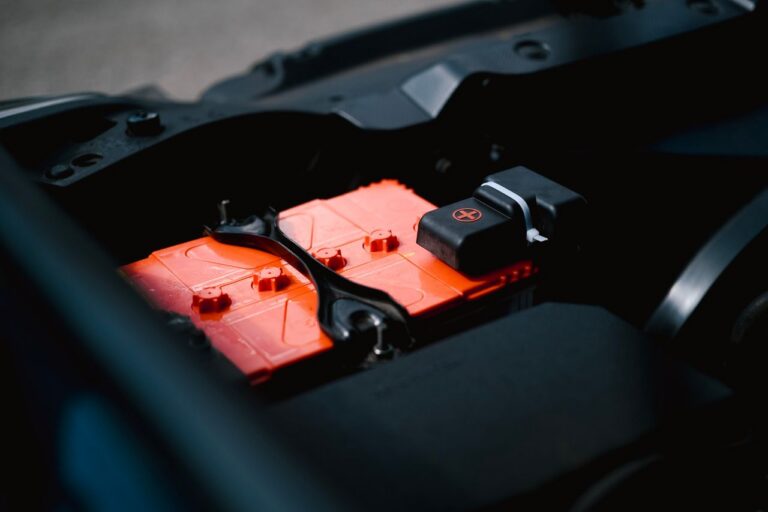
Class 9 covers miscellaneous dangerous goods that do not fit within the other ADR classes but still present significant transport risks. Lithium batteries, dry ice, environmentally hazardous substances, airbags and magnetised materials are all included within this category. As electric vehicles, renewable energy storage systems and portable electronics continue to grow in popularity, the transport of lithium batteries has become one of the fastest-growing areas of ADR compliance. Despite not fitting neatly into another class, these products require strict packaging standards, hazard labels and documentation to minimise transport risks.
Correct classification is one of the most important steps in transporting dangerous goods safely. Every product must be assigned the correct UN Number, shipping name, hazard class and, where applicable, packing group before transport begins. Incorrect classification may result in unsuitable packaging, inaccurate documentation, incompatible loading or inadequate emergency information. These mistakes can increase the likelihood of accidents, environmental damage, shipment delays and regulatory penalties.
The ADR classes also determine how dangerous goods should be segregated during transport. Certain substances cannot be loaded together because they may react dangerously if containers become damaged. For example, oxidising substances should be separated from flammable materials, while corrosive chemicals should not be transported alongside products that could react violently if leakage occurs. Proper segregation reduces the risk of fires, explosions and chemical reactions during transit.
Accurate documentation is another essential aspect of ADR compliance. Transport documents must correctly identify the dangerous goods being carried and include all legally required information. Drivers, emergency services and receiving facilities rely on these documents to understand the hazards involved and respond effectively if an incident occurs. Businesses responsible for hazardous waste transport ensure waste materials are classified accurately before movement, as waste can present the same transport hazards as new chemical products.
Many industries depend on ADR regulations every day. Chemical manufacturers, pharmaceutical companies, construction contractors, automotive suppliers, laboratories, healthcare providers, waste management organisations and logistics operators all transport products that fall within one or more dangerous goods classes. Even businesses transporting relatively small quantities may still have legal responsibilities depending on the type of material and applicable exemptions.
Understanding the nine ADR classes helps businesses improve safety, maintain compliance and protect people, property and the environment. Correct hazard classifications support safer packaging, accurate labelling, compliant documentation and responsible transport planning. As new technologies and hazardous materials continue to emerge, maintaining up-to-date knowledge of ADR requirements remains essential for organisations involved in the movement of dangerous goods across the UK and Europe.