Shipping goods across the UK is a routine part of business, but transporting dangerous goods is a completely different process. Many businesses are surprised to learn that standard couriers cannot carry dangerous goods in the same way they transport ordinary parcels. The reason is simple: dangerous goods present significant risks to people, property and the environment if they are not handled correctly. Strict legal requirements, specialist equipment and trained personnel are essential to ensure these materials are transported safely. Understanding why standard couriers cannot carry dangerous goods helps businesses stay compliant, protect their employees and customers, and avoid costly delays or penalties. Planning hazardous goods delivery with the right partner also helps maintain safety and compliance from the outset.
How Standard Courier Networks Operate
Standard courier networks are designed to move general freight quickly and efficiently through automated sorting centres, distribution hubs and delivery routes. Most parcels are processed alongside thousands of others every day, with minimal manual handling. While this system is ideal for everyday goods, it is not suitable for hazardous materials that require additional safety controls. Dangerous goods demand careful planning, specialist handling and compliance with transport regulations that fall outside the scope of most general parcel delivery services.
What Are Dangerous Goods?
Dangerous goods include substances and articles capable of causing harm during transport. These materials may be flammable, explosive, toxic, corrosive, oxidising, radioactive or hazardous to the environment. Common examples include:
lithium batteries
aerosols
industrial chemicals
paints
solvents
adhesives
fuel
gas cylinders
laboratory chemicals
certain cleaning products
Although many of these products are safe when stored and used correctly, they can become extremely dangerous if damaged, incorrectly packaged or exposed to heat, pressure or impact during transport.
ADR Regulations Govern Dangerous Goods Transport
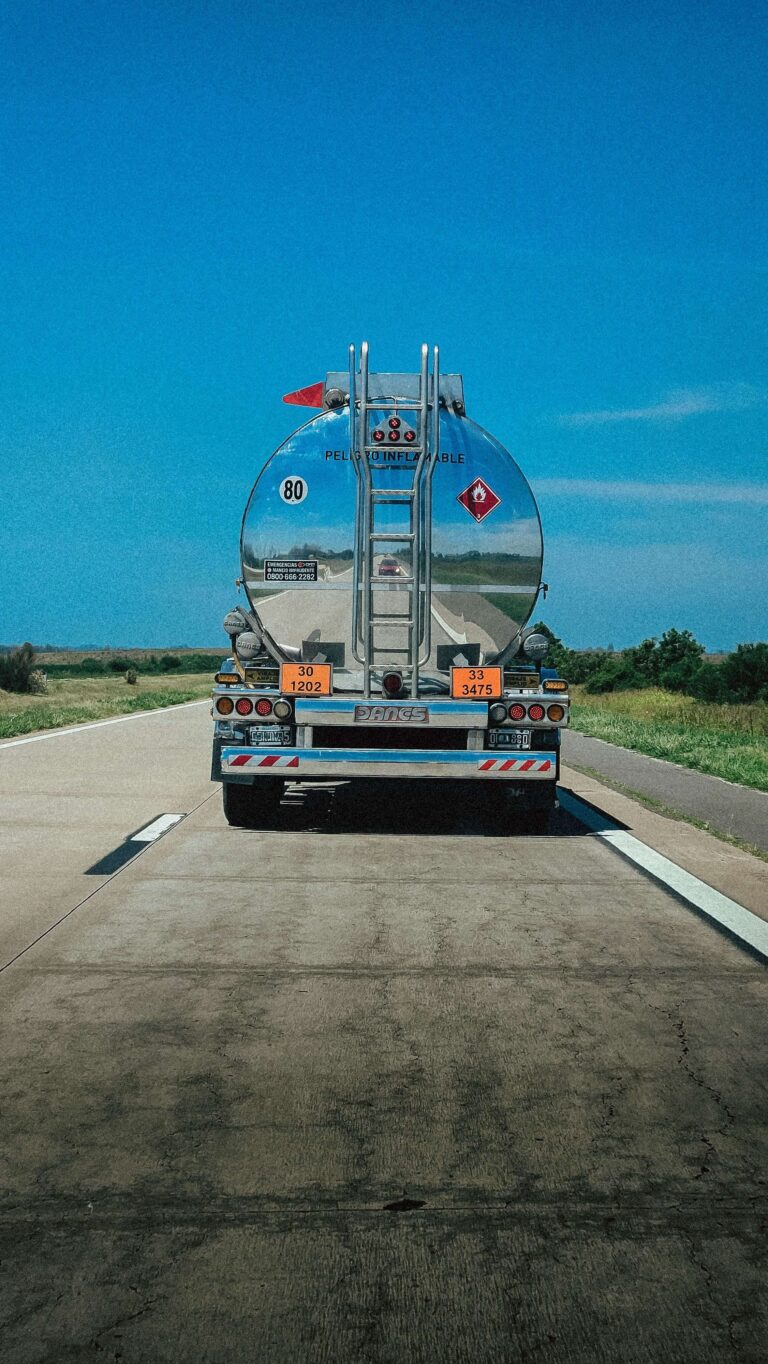
One of the main reasons standard couriers cannot transport dangerous goods is the legal framework governing their movement. In the UK and across Europe, hazardous materials transported by road are subject to the ADR Agreement, which sets out strict rules covering classification, packaging, labelling, documentation, vehicle equipment, loading procedures and driver training. Every stage of the transport process must comply with these regulations to reduce the risk of accidents and protect public safety. For compliant hazardous goods delivery by road, many organisations rely on an ADR courier, a specialist courier service that ensures every requirement is met before collection and throughout transit.
Accurate Classification Is Essential
Unlike ordinary parcel deliveries, dangerous goods cannot simply be collected, sorted and loaded onto the next available vehicle. Each shipment must first be correctly identified and classified according to its hazard. Different substances require different handling procedures because the risks they present vary considerably. A flammable liquid requires different transport controls from a compressed gas or a corrosive chemical. Misclassifying dangerous goods can lead to serious safety incidents as well as legal consequences for the shipper.
Why UN-Approved Packaging Matters
Packaging is another critical factor that separates dangerous goods from ordinary freight. Standard cardboard boxes are rarely suitable for hazardous materials. Many dangerous goods must be transported in UN-approved packaging that has been tested to withstand impacts, vibration, pressure changes and other conditions encountered during transport. The packaging must prevent leaks, contain the substance securely and minimise the risk of contamination if an accident occurs. Even small packaging failures can have serious consequences when hazardous materials are involved.
Hazard Labels Protect People and Property
Labelling also plays an essential role in dangerous goods transport. Every package must display the correct hazard labels, UN number and other mandatory transport markings so that everyone handling the shipment understands the risks involved. These labels provide vital information for warehouse staff, drivers, emergency services and enforcement officers. Without accurate labelling, hazardous materials may be stored with incompatible substances or handled incorrectly, increasing the likelihood of fires, chemical reactions or environmental contamination.
ADR Driver Training Requirements
Specialist training is another reason why ordinary courier services cannot transport dangerous goods. Drivers carrying hazardous materials often require ADR certification, which provides detailed knowledge of transport regulations, hazard identification, emergency procedures, vehicle safety equipment and incident response. This training enables drivers to deal effectively with spills, leaks, fires and other emergencies while protecting themselves and the public. Standard courier drivers are trained to deliver general parcels safely, but they are not usually qualified to transport regulated dangerous goods.
Specialist Vehicles for Hazardous Goods Delivery
Vehicles used for dangerous goods transport must also meet specific safety standards. Depending on the type of goods being transported, vehicles may require:
fire extinguishers
spill response kits
emergency warning equipment
protective clothing
specialised storage compartments
Some loads require segregation from other substances to prevent dangerous chemical reactions during transit. Standard courier vehicles are not typically equipped with these additional safety features because they are designed for conventional parcel deliveries rather than hazardous freight.
Transport Documentation and Legal Compliance
Documentation is another important area where dangerous goods transport differs from ordinary deliveries. Every regulated shipment requires accurate transport documents containing essential information about the hazardous materials being carried. This may include:
the proper shipping name
UN number
hazard class
packing group
emergency contact details
any special handling instructions
Accurate documentation ensures that everyone involved in the transport process understands the risks and knows how to respond if an incident occurs. Missing or incorrect paperwork can result in delays, rejected shipments, enforcement action and financial penalties.
Lithium Batteries Require Extra Care
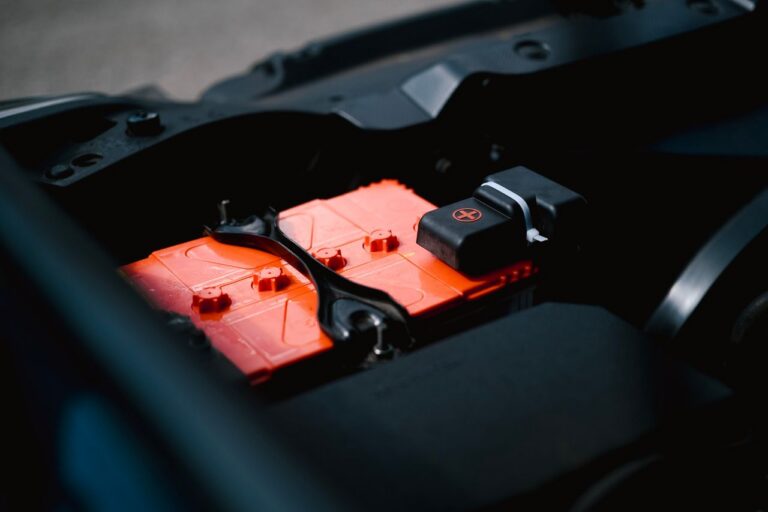
Lithium batteries have become one of the most common dangerous goods transported in modern supply chains. Found in mobile phones, laptops, power tools, electric vehicles and countless other products, lithium batteries present unique transport risks because they can overheat, catch fire or explode if damaged or incorrectly packaged. As demand for battery-powered devices continues to grow, transport regulations have become increasingly strict. Many standard couriers place significant restrictions on lithium battery shipments, particularly where damaged, defective or waste batteries are involved.
Risks of Sending Dangerous Goods Through Standard Couriers
Businesses sometimes assume that failing to declare dangerous goods will speed up delivery or reduce transport costs. In reality, undeclared hazardous materials create serious risks throughout the transport network. If dangerous goods enter an automated sorting facility without the correct packaging or documentation, employees may unknowingly handle them alongside incompatible products. In the event of a leak, fire or chemical reaction, the consequences can include injuries, property damage, environmental pollution and widespread disruption to operations. Companies responsible for incorrectly declaring dangerous goods may face prosecution, insurance claims, substantial fines and long-term reputational damage.
Insurance Implications for Dangerous Goods
Insurance is another important consideration. Standard courier insurance policies are generally designed for ordinary commercial goods rather than hazardous materials. If dangerous goods are incorrectly declared or transported in breach of regulations, insurance providers may refuse to cover losses resulting from accidents or damage. This can leave businesses financially responsible for vehicle repairs, environmental clean-up costs, damaged property, compensation claims and legal expenses. Ensuring dangerous goods are transported correctly significantly reduces these risks while providing greater confidence that appropriate insurance protection remains valid.
Benefits of Using a Specialist Courier
Choosing a specialist courier for hazardous goods delivery provides businesses with access to expertise that standard parcel networks cannot offer. Specialist transport providers understand the complex regulations surrounding dangerous goods and can advise on classification, packaging, documentation and compliance before goods are collected. They use trained personnel, suitable vehicles and approved safety procedures to ensure shipments are handled correctly from collection to final delivery. Many operate as an ADR courier service for road transport, offering end-to-end compliance support and clear guidance to shippers.
Why Compliance Supports Business Success
Compliance is not simply about avoiding fines or meeting legal obligations. Proper dangerous goods transport also demonstrates a commitment to responsible business practices. Customers, suppliers and regulatory authorities increasingly expect organisations to manage hazardous materials safely throughout the supply chain. Businesses that invest in compliant transport solutions strengthen their reputation, reduce operational risks and support safer working environments for everyone involved.
The Future of Dangerous Goods Transport
As regulations continue to evolve, businesses must remain informed about changes affecting hazardous materials transport. New technologies, increasing battery use and changing environmental requirements continue to shape how dangerous goods are classified and transported. Regular reviews of transport procedures, staff training and compliance processes help organisations maintain high safety standards while adapting to new legal requirements.
Why Standard Couriers Cannot Carry Dangerous Goods
Standard couriers cannot carry dangerous goods because they are not equipped or authorised to transport hazardous materials safely under ADR regulations. Dangerous goods such as flammable liquids, gases, corrosive chemicals and lithium batteries require specialist handling, UN-approved packaging, hazard labelling, accurate documentation and, in many cases, ADR-trained drivers. Standard courier networks are designed for general parcels and lack the vehicles, equipment and compliance procedures needed to manage the risks associated with hazardous goods. Using a specialist courier ensures dangerous goods are transported legally, safely and in accordance with UK transport regulations.
Understanding why standard couriers cannot carry dangerous goods is essential for any organisation involved in manufacturing, distributing or using hazardous materials. These shipments require specialist knowledge, compliant packaging, accurate documentation, trained personnel and vehicles equipped to manage the unique risks involved. Attempting to transport dangerous goods through a standard courier network can lead to rejected deliveries, legal action, financial losses and serious safety incidents.
Using an ADR courier or specialist courier for hazardous goods delivery ensures that dangerous materials are transported in accordance with UK regulations while protecting people, property and the environment. By choosing compliant dangerous goods transport, businesses reduce risk, improve supply chain reliability and demonstrate their commitment to safety and legal compliance. As hazardous materials continue to play an important role across many industries, selecting the right transport solution remains one of the most important decisions a business can make.