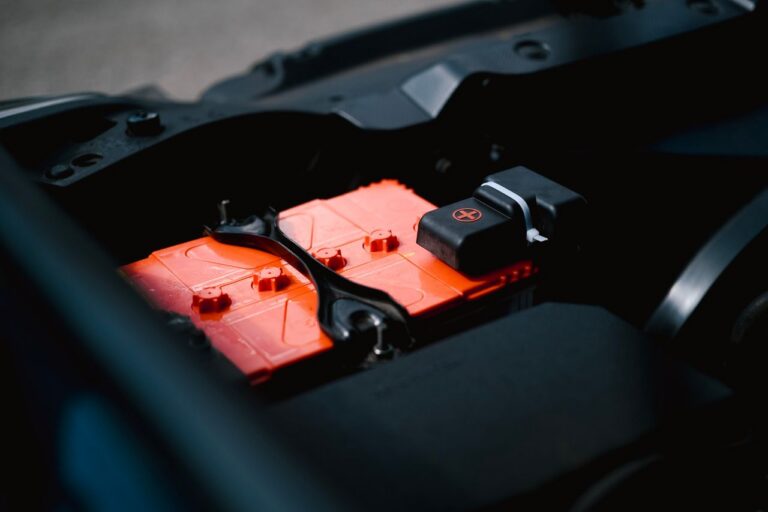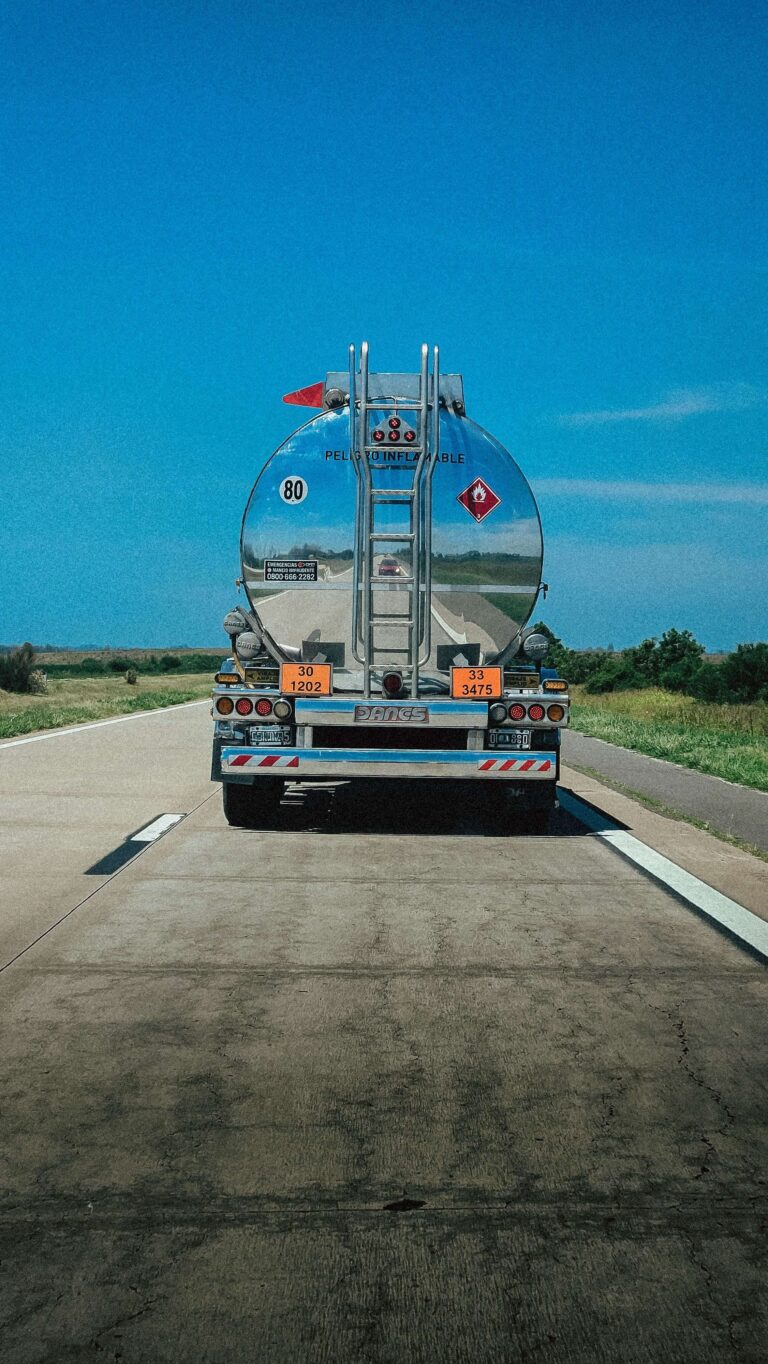
Businesses transporting dangerous goods must understand ADR shipping requirements before moving hazardous materials by road. Whether you deliver chemicals, paints, fuels, batteries, medical supplies, or industrial products, following ADR regulations helps protect people, the environment, and your business. This guide explains how ADR shipping works, who must comply, and the essential steps UK businesses should follow to transport dangerous goods safely and legally. It also provides practical adr shipping for business tips that support planning, documentation, and training.
What Is ADR Shipping?
ADR shipping refers to transporting dangerous goods by road under the European Agreement concerning the International Carriage of Dangerous Goods by Road (ADR).
Although the UK has left the European Union, ADR regulations remain part of UK law. Businesses carrying hazardous materials must continue following ADR rules for classification, packaging, labelling, documentation, vehicle equipment, and driver training.
ADR applies to many industries, including:
Manufacturing
Construction
Healthcare
Automotive
Chemical supply
Waste management
Oil and gas
Laboratory services
Why ADR Shipping Matters
Dangerous goods can present serious risks during transport. Incorrect packaging or poor handling may lead to spills, fires, explosions, toxic exposure, or environmental damage.
Following ADR shipping regulations helps businesses:
Protect drivers and the public
Reduce workplace risks
Meet UK legal requirements
Avoid fines and enforcement action
Minimise environmental impact
Improve customer confidence
Ensure smooth deliveries
Compliance also demonstrates professionalism and commitment to safety.
Which Goods Require ADR Shipping?
Many products commonly transported across the UK fall within ADR regulations.
Examples include:
Flammable liquids
Gas cylinders
Explosives
Corrosive chemicals
Toxic substances
Lithium batteries
Paints and solvents
Aerosols
Medical gases
Industrial chemicals
Every dangerous product is assigned a UN number, hazard class, packing group, and transport requirements.
ADR Shipping Requirements for UK Businesses
Every business transporting dangerous goods should understand the core ADR requirements.
Correct Classification
Products must be correctly classified according to their hazard type. Incorrect classification can result in unsafe transport and legal penalties.
Approved Packaging
ADR-approved packaging is tested to withstand transport conditions and prevent leaks or damage.
Packaging must match:
Hazard class
Packing group
Product type
Quantity transported
Hazard Labels and Markings
Packages and vehicles require the correct hazard labels.
These labels warn emergency services and transport workers about the dangers involved.
Examples include:
Flammable
Toxic
Corrosive
Oxidising
Explosive
Environmentally hazardous
Transport Documentation
ADR shipping requires accurate documentation, including:
Dangerous Goods Note (DGN)
UN number
Proper shipping name
Hazard class
Packing group
Quantity
Emergency information
Consignor and consignee details
Incorrect paperwork is one of the most common compliance failures.
Driver Training
Drivers carrying dangerous goods above exemption limits normally require an ADR Driver Training Certificate.
Training covers:
Hazard awareness
Emergency procedures
Safe loading
Vehicle equipment
Accident response
Vehicle Requirements
Vehicles used for ADR shipping may require:
Fire extinguishers
Wheel chocks
Warning signs
Orange ADR plates
Spill response equipment
Personal protective equipment (PPE)
Emergency instructions
Some vehicle types also require periodic inspections and specialist approvals.
ADR Shipping Exemptions
Not every shipment requires full ADR compliance.
Common exemptions include:
Limited Quantities (LQ)
Excepted Quantities (EQ)
Small load exemptions
Certain private carriage
Specific operational exemptions
However, exemption rules are detailed and depend on the product, quantity, packaging, and transport method.
Businesses should always verify whether an exemption genuinely applies before transport.
Common ADR Shipping Mistakes
Many compliance issues arise from simple errors.
The most common mistakes include:
Using incorrect packaging
Missing hazard labels
Incomplete documentation
Poor load securing
Carrying expired fire extinguishers
Incorrect vehicle markings
Driver training certificates not renewed
Misclassifying dangerous goods
Regular compliance reviews can help avoid costly penalties.
How Businesses Can Improve ADR Shipping Compliance
Maintaining compliance becomes easier with clear procedures.
Best practices include:
Classify goods before dispatch
Use certified ADR packaging
Keep documentation accurate
Train employees regularly
Inspect vehicles before loading
Review ADR updates
Work with experienced dangerous goods specialists
Keep detailed transport records
Creating a compliance checklist for every shipment reduces errors and improves consistency.
Choosing an ADR Shipping Partner
Many businesses choose specialist ADR transport providers to reduce risk and simplify compliance.
A reliable ADR shipping company should offer:
Fully ADR-trained drivers
Modern compliant vehicles
Dangerous goods expertise
Nationwide UK coverage
Secure transport procedures
Real-time shipment updates
Full regulatory compliance
Professional customer support
Working with experienced professionals helps ensure dangerous goods reach their destination safely and legally. For practical guidance on adr shipping for business, many companies also partner with consultants who can audit procedures and provide tailored training.
Understanding ADR shipping is essential for any UK business transporting dangerous goods by road. Correct classification, compliant packaging, accurate documentation, trained drivers, and suitable vehicles all play an important role in maintaining safety and meeting legal obligations.
Whether you transport hazardous materials regularly or only occasionally, following ADR regulations reduces operational risks, protects employees, and keeps your business compliant. By partnering with experienced ADR specialists and reviewing procedures regularly, UK businesses can deliver dangerous goods safely, efficiently, and with confidence. Ultimately, this overview captures adr shipping: what UK businesses need to know to operate safely and lawfully.