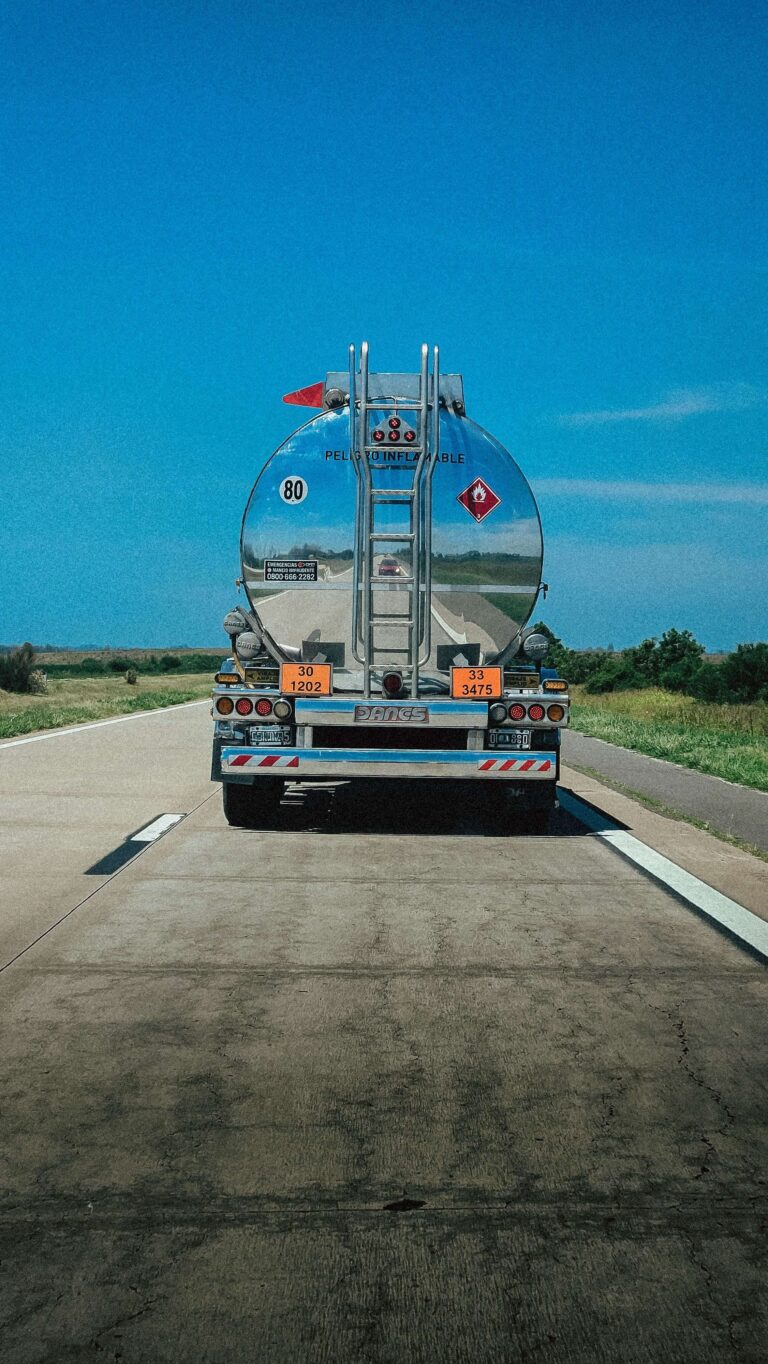
Businesses that transport chemicals, fuels, batteries, paints, medical products, or industrial materials often need to understand how dangerous goods are classified before they can be moved legally.
Hazardous cargo classes are an internationally recognised hazardous cargo classification used to identify the risks associated with transporting dangerous goods. Each class tells drivers, warehouse staff, emergency responders, and logistics providers exactly what type of hazard a product presents and how it should be handled safely.
Whether you’re shipping a single drum of chemicals or managing regular ADR deliveries across the UK, understanding hazardous cargo classes helps reduce risk, improve compliance, and protect people, property, and the environment.
This guide explains every hazardous cargo class, why the classifications matter, and how they affect road transport throughout the UK.
What Are Hazardous Cargo Classes?
Hazardous cargo classes are categories used to classify dangerous goods according to the primary hazard they present during transport.
The system is based on the United Nations Recommendations on the Transport of Dangerous Goods and forms the foundation of ADR regulations used throughout the UK and Europe.
Each hazardous substance receives:
A UN Number
A Proper Shipping Name
A Hazard Class
Packing Group (where applicable)
Transport requirements
Packaging instructions
Labelling requirements
These classifications ensure everyone involved in the transport chain understands the risks before a shipment moves.
Why Hazardous Cargo Classes Matter
Correct classification is one of the most important parts of dangerous goods transport.
Proper classification helps organisations:
Protect employees
Prevent fires and chemical releases
Reduce environmental damage
Ensure legal compliance
Select suitable packaging
Apply the correct hazard labels
Prepare accurate transport documentation
Support emergency response planning
Misclassifying dangerous goods can result in delayed deliveries, regulatory action, financial penalties, or serious safety incidents.
The Nine Hazardous Cargo Classes Explained
Class 1 — Explosives
Class 1 covers substances and articles capable of producing explosions.
Examples include:
Fireworks
Ammunition
Detonators
Explosive charges
Military explosives
These materials require specialist transport arrangements due to their potential to explode when exposed to heat, friction, or impact.
Class 2 — Gases
Compressed, liquefied, dissolved, and refrigerated gases fall into Class 2.
Examples include:
Oxygen
Nitrogen
Propane
Butane
Carbon dioxide
Acetylene
Some gases are flammable, while others may be toxic or oxidising.
Transport requirements depend on the specific gas and its associated risks.
Class 3 — Flammable Liquids
Flammable liquids are among the most commonly transported hazardous goods.
Examples include:
Petrol
Diesel
Ethanol
Paint thinners
Solvents
Adhesives
Alcohol-based products
These products can ignite easily when exposed to sparks or heat.
Proper packaging and ventilation significantly reduce transport risks.
Class 4 — Flammable Solids
Class 4 includes substances that ignite more easily than ordinary combustible materials.
This class also includes materials that react dangerously when wet.
Examples include:
Sulphur
Magnesium powder
Sodium
Certain metal powders
Careful storage is essential because moisture or friction may trigger dangerous reactions.
Class 5 — Oxidising Substances and Organic Peroxides
These products may not burn themselves but can dramatically increase the intensity of fires.
Examples include:
Hydrogen peroxide
Ammonium nitrate
Organic peroxide formulations
Industrial bleaching agents
Transport vehicles must avoid contamination with combustible materials.
Class 6 — Toxic and Infectious Substances
Class 6 is divided into two categories.
Toxic Substances
Examples include:
Pesticides
Cyanides
Industrial chemicals
Laboratory chemicals
Exposure may occur through inhalation, ingestion, or skin contact.
Infectious Substances
These contain pathogens capable of causing disease.
Examples include:
Clinical samples
Diagnostic specimens
Medical laboratory materials
Strict containment procedures are required throughout transport.
Class 7 — Radioactive Materials
Radioactive substances emit ionising radiation and require specialist handling.
Examples include:
Medical isotopes
Industrial radiography equipment
Nuclear materials
Scientific research materials
Only appropriately trained organisations should transport radioactive cargo.
Class 8 — Corrosive Substances
Corrosive materials can damage living tissue and many types of equipment.
Examples include:
Sulphuric acid
Hydrochloric acid
Sodium hydroxide
Battery acid
Leaks may seriously damage vehicles, packaging, and surrounding cargo.
Suitable containers and protective equipment are essential.
Class 9 — Miscellaneous Dangerous Goods
Class 9 includes hazardous materials that do not fit within the previous categories but still present transport risks.
Examples include:
Lithium batteries
Dry ice
Asbestos
Environmentally hazardous substances
Airbags
Although considered miscellaneous, these products still require full ADR compliance.
Hazard Labels and Warning Diamonds
Every hazardous cargo class has a distinctive warning label.
These labels quickly communicate hazards during loading, transport, and emergency situations.
Typical information includes:
Hazard symbol
Class number
Warning colour
UN Number
Additional handling instructions
Correct labelling enables emergency services to respond more effectively if an incident occurs.
What Is a UN Number?
Every regulated dangerous product is assigned a unique UN Number.
For example:
UN1203 — Petrol
UN1090 — Acetone
UN1830 — Sulphuric Acid
UN3480 — Lithium-Ion Batteries
The UN Number identifies the substance regardless of language or country.
It appears on transport documents, packaging, and vehicle placards.
What Is a Packing Group?
Many hazardous goods are assigned a Packing Group based on the degree of danger.
There are three levels.
Packing Group I
High danger
Packing Group II
Medium danger
Packing Group III
Lower danger
Packing Groups determine the strength and testing standards required for packaging.
Who Uses Hazardous Cargo Classes?
Hazardous cargo classifications are used by many industries across the UK.
These include:
Chemical manufacturers
Pharmaceutical companies
Construction firms
Engineering businesses
Fuel distributors
Waste management companies
Laboratories
Automotive suppliers
Logistics companies
Warehousing providers
Anyone involved in transporting dangerous goods should understand the classification system.
Common Goods That Require Hazard Classification
Many everyday products are classed as dangerous goods.
Examples include:
Cleaning chemicals
Aerosols
Fuel
Paint
Adhesives
Batteries
Solvents
Medical samples
Gas cylinders
Fertilisers
Although these products are commonly used, they still require compliant transport arrangements.
What Happens If Dangerous Goods Are Classified Incorrectly?
Incorrect classification can have serious consequences.
Possible risks include:
Vehicle fires
Chemical spills
Environmental pollution
Workplace injuries
Delivery delays
Insurance complications
Regulatory investigations
Financial penalties
Accurate classification is one of the first steps towards safe transport.
How ADR Regulations Use Hazardous Cargo Classes
ADR regulations use hazardous cargo classes to determine transport requirements.
These requirements may include:
Driver ADR training
Approved packaging
Vehicle equipment
Documentation
Fire extinguishers
Segregation of incompatible substances
Tunnel restrictions
Vehicle placarding
Emergency instructions
Every shipment must meet the rules applicable to its hazard class.
Tips for Transporting Hazardous Cargo Safely
Businesses can improve transport safety by following several best practices.
These include:
Confirm the correct hazard classification before shipping.
Use approved ADR packaging.
Label every package clearly.
Keep transport documentation accurate.
Train drivers appropriately.
Inspect vehicles before every journey.
Store incompatible substances separately.
Review emergency procedures regularly.
Work with experienced ADR transport specialists.
A proactive approach helps reduce risks and maintain compliance.
Understanding hazardous cargo classes is essential for anyone involved in transporting dangerous goods. The nine internationally recognised hazard classes provide a consistent way to identify risks, apply appropriate safety measures, and comply with ADR regulations.
Whether you’re moving fuels, chemicals, batteries, gases, or laboratory products, accurate classification protects employees, customers, and the wider public while helping businesses meet legal obligations.
By following ADR guidance, using approved packaging, and working with experienced dangerous goods transport specialists, organisations can move hazardous cargo safely, efficiently, and confidently across the UK.