
How To Transport Batteries Safely
 adrtransport
on
June 23, 2026
adrtransport
on
June 23, 2026
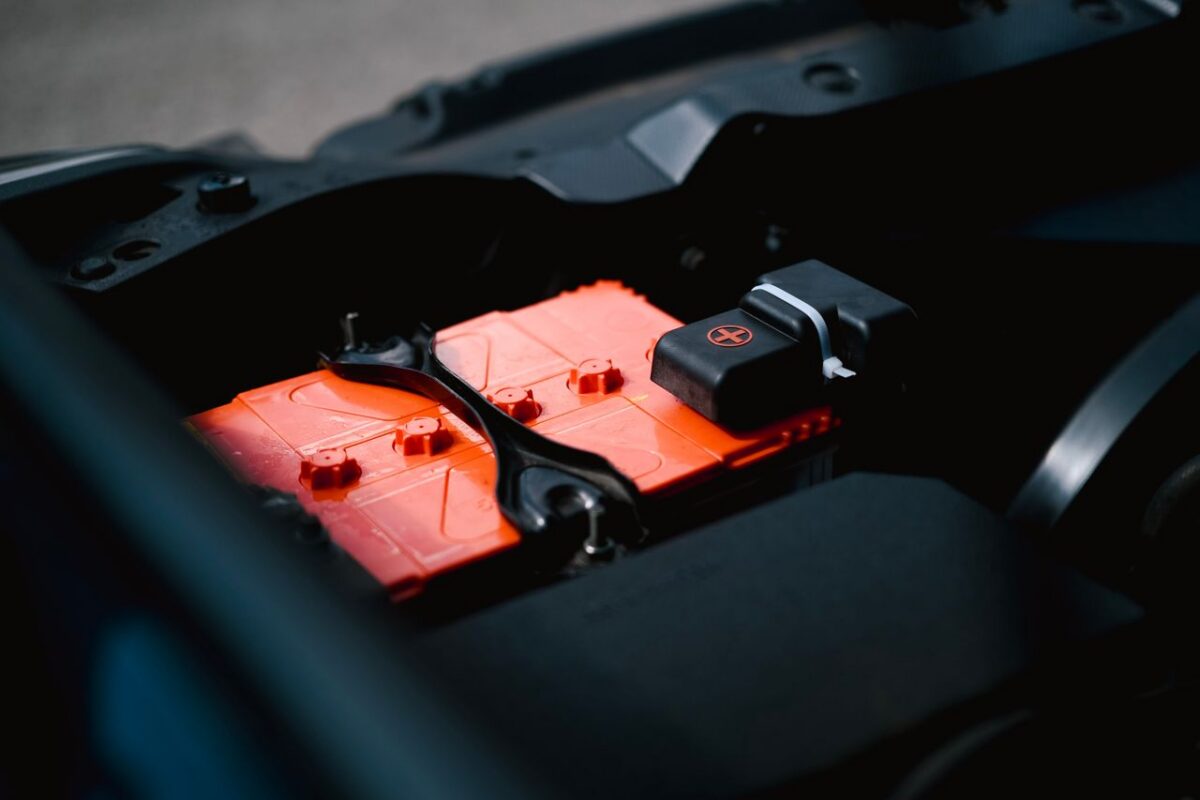
Batteries are one of the most tightly regulated categories of dangerous goods, and one of the most frequently transported incorrectly. From lithium-ion batteries in laptops and power tools to large EV battery packs, lead-acid batteries in vehicles, and lithium metal cells in specialist equipment, almost every business that handles battery-powered products needs to understand how to transport batteries safely and legally. This guide covers everything UK businesses need to know.
Why Battery Transport Is Regulated
Batteries, particularly lithium-ion batteries and lithium metal batteries, are classified as dangerous goods under the ADR regulations (the European Agreement Concerning the International Carriage of Dangerous Goods by Road) because they present a genuine fire and explosion risk during transport if they are damaged, incorrectly packaged, short-circuited, or exposed to excessive heat.
The risk is not theoretical. There have been numerous incidents involving battery fires during transport across all modes of transportation, in road vehicles, cargo aircraft, and ships.
The energy density of modern lithium-ion batteries means that a thermal runaway event, a self-sustaining, temperature-escalating chemical reaction within the battery, can generate intense heat and fire that is extremely difficult to extinguish. Once thermal runaway begins in one battery cell, it can propagate to adjacent cells and spread rapidly.
The dangerous goods regulations for battery transport have been progressively tightened over the past decade in response to these risks. The International Civil Aviation Organization (ICAO), the International Maritime Dangerous Goods (IMDG) Code for sea transport, and ADR for road transport have all introduced increasingly specific requirements for battery transport, covering state of charge limits, packaging specifications, labelling, and documentation.
Battery Types and Their Dangerous Goods Classification
Not all battery types are treated the same under dangerous goods regulations. Different battery chemistries present different levels of risk, and the transport requirements vary accordingly. The key distinction for regulatory purposes is between lithium-based batteries and non-lithium batteries, with lithium-based batteries subject to the most stringent requirements.
The UN Numbers for Battery Transport
Each category of battery has a specific UN number, the four-digit code assigned under the UN dangerous goods classification system that identifies the substance or article and triggers the applicable transport requirements.
Using the correct UN number is a fundamental requirement of ADR compliance, an incorrect UN number on the transport document or outer packaging is a breach of the dangerous goods regulations.
| UN Number | Proper Shipping Name | Class | Key Notes |
|---|---|---|---|
| UN 3480 | Lithium ion batteries | Class 9 | Standalone lithium-ion battery cells and packs, not installed in equipment. State of charge limit of 30% applies under Section II. Watt-hour limits per cell and per battery apply. |
| UN 3481 | Lithium ion batteries packed with equipment / Lithium ion batteries contained in equipment | Class 9 | Lithium-ion batteries shipped in the same outer packaging as equipment, or already installed inside equipment. Must be protected against activation and short circuit. |
| UN 3090 | Lithium metal batteries | Class 9 | Standalone lithium metal battery cells and packs. Lithium content limits per cell and per battery apply. More restrictive than lithium-ion in some contexts due to higher reactivity. |
| UN 3091 | Lithium metal batteries packed with equipment / Lithium metal batteries contained in equipment | Class 9 | Lithium metal batteries shipped with or inside equipment. Lithium content limits apply. Equipment must be protected against activation. |
| UN 2794 | Batteries, wet, filled with acid | Class 8 | Standard wet lead-acid batteries. Corrosive risk from sulphuric acid. Must be transported upright with secure, sealed vents. Subsidiary risk Class 9 in some configurations. |
| UN 2800 | Batteries, wet, non-spillable, electric storage | Class 9 | Sealed, valve-regulated lead-acid (VRLA) batteries including AGM and gel types. Less restrictive than wet acid. Common in UPS systems and mobility aids. |
| UN 3171 | Battery-powered vehicle / Battery-powered equipment | Class 9 | Vehicles or equipment powered by lithium batteries or wet batteries when transported as a complete unit — such as electric wheelchairs, e-bikes, or electric scooters. Special provisions apply. |
How To Transport Lithium-Ion Batteries Safely by Road
Transporting lithium-ion batteries safely by road in the UK requires compliance with ADR Packing Instruction P903, which sets out the requirements for UN 3480 and UN 3481. The specific requirements depend on whether you are shipping under Section I (full ADR compliance) or Section II (simplified compliance for smaller batteries and quantities).
Section I: Full ADR Compliance
Section I applies to larger batteries, higher watt-hour ratings, and quantities that exceed the Section II thresholds. Under Section I, the full ADR requirements apply, including ADR-certified drivers, a complete Dangerous Goods Transport Document, and vehicle marking and placarding. Section I is typically required for:
- Lithium-ion cells exceeding 20Wh per cell
- Lithium-ion batteries exceeding 100Wh per battery
- Large-format EV battery packs
- Industrial battery systems
- Consignments exceeding the Section II quantity limits
Section II: Simplified Compliance
Section II provides a reduced-requirement route for smaller batteries and lower watt-hour ratings. Under Section II, the driver is not required to hold an ADR certificate and a full transport document is not required, however, the lithium battery handling mark must appear on the outer packaging, and a basic transport document with the UN number and battery type is still required. Section II applies to:
- Lithium-ion cells not exceeding 20Wh
- Lithium-ion batteries not exceeding 100Wh
- Subject to quantity limits per package
Damaged, Defective, and End-of-Life Batteries
Batteries that are damaged, defective, recalled, or showing signs of a safety concern, including leaking, venting, deformation, or evidence of previous overheating, present a substantially higher transport risk than undamaged batteries. They are subject to enhanced requirements under ADR Special Provision 376, which applies specifically to lithium batteries that present a safety concern.
Do not transport damaged lithium batteries in standard packaging.
Standard UN-approved packaging for batteries is designed for undamaged goods in normal condition. It is not sufficient for batteries that are leaking, venting, deformed, hot to the touch, or showing any sign of damage or thermal activity. Attempting to transport a damaged lithium battery in standard packaging is both a compliance failure and a serious fire risk. Always seek specialist advice before attempting to move any suspect battery.
ADR Special Provision 376: Requirements for Damaged Batteries
Under Special Provision 376, lithium batteries that are known or suspected to be damaged or defective must be:
- Transported in a salvage container or equivalent outer packaging that is capable of containing a thermal event, typically a metal container with a lid, or a specialised fire-containment battery transport bag
- Transported with a minimum quantity of non-combustible, thermally insulating material around the battery to absorb any leakage
- Each damaged battery transported in its own individual outer packaging, they must not be grouped together
- Accompanied by additional documentation noting the damage and the special provision being applied
- Subject to emergency response procedures appropriate to the risk, the driver must be briefed on the nature of the battery and the response actions required.
End-of-Life and Waste Batteries
Batteries being transported for recycling, treatment, or disposal are subject to both the ADR dangerous goods requirements and, where they meet the definition of waste, the Hazardous Waste Regulations.
Under the Waste Batteries and Accumulators Regulations 2009, batteries transported as waste in the UK must be accompanied by appropriate waste transfer documentation in addition to the ADR transport document.
Our battery transport service covers both the ADR and waste regulatory requirements for end-of-life battery collections.